AI Insights
Agent Memory Has Outgrown Retrieval
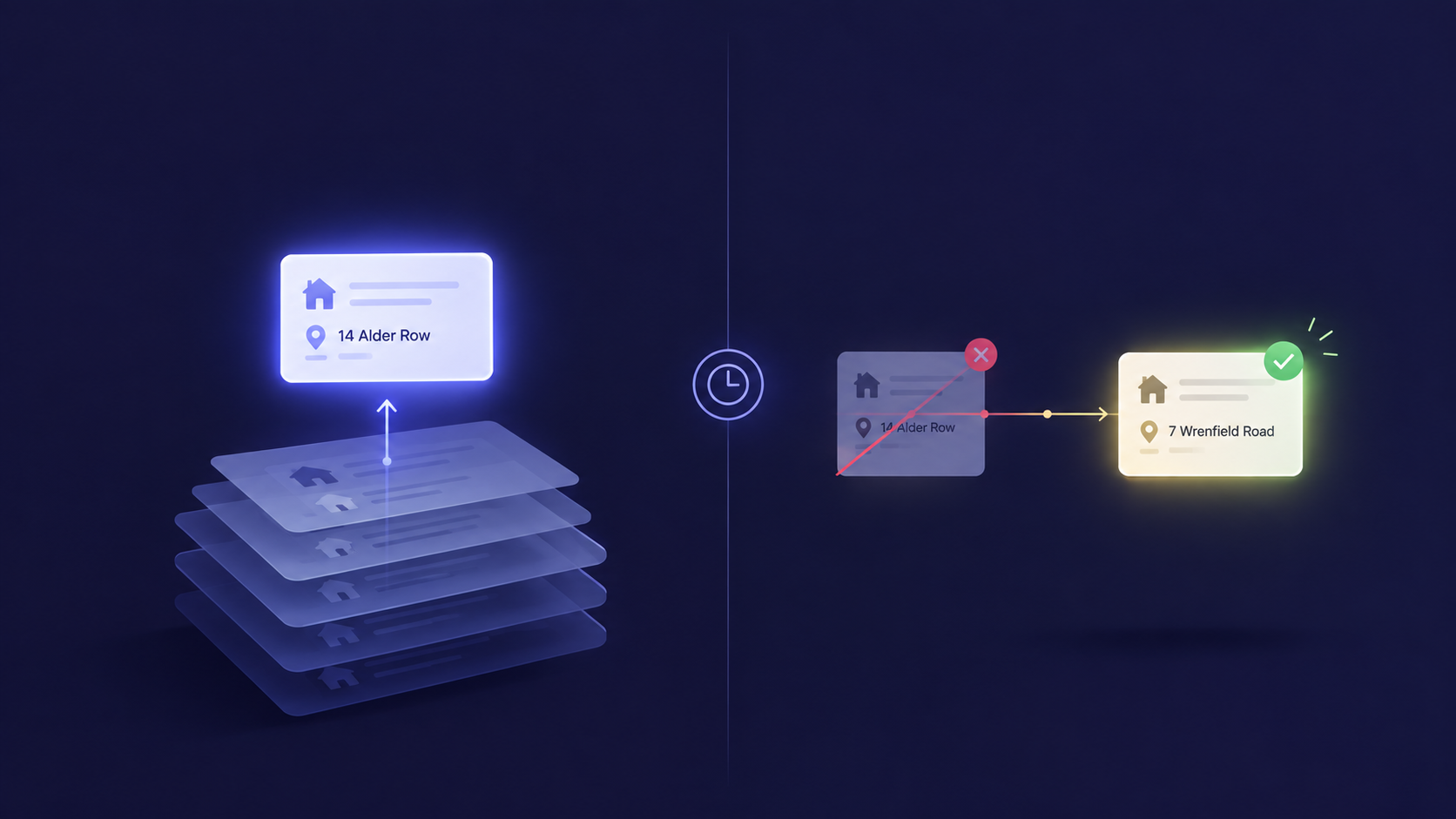
Most AI memory systems can find relevant past information but can't tell if it's still true, so agents act on stale data that was technically "retrieved correctly."
September 17, 2026

Because occasion-based demand spikes and disappears fast, unlike evergreen search traffic that gives you months to recover, a catalog that is not ready on day one of the rush effectively misses the whole festival.

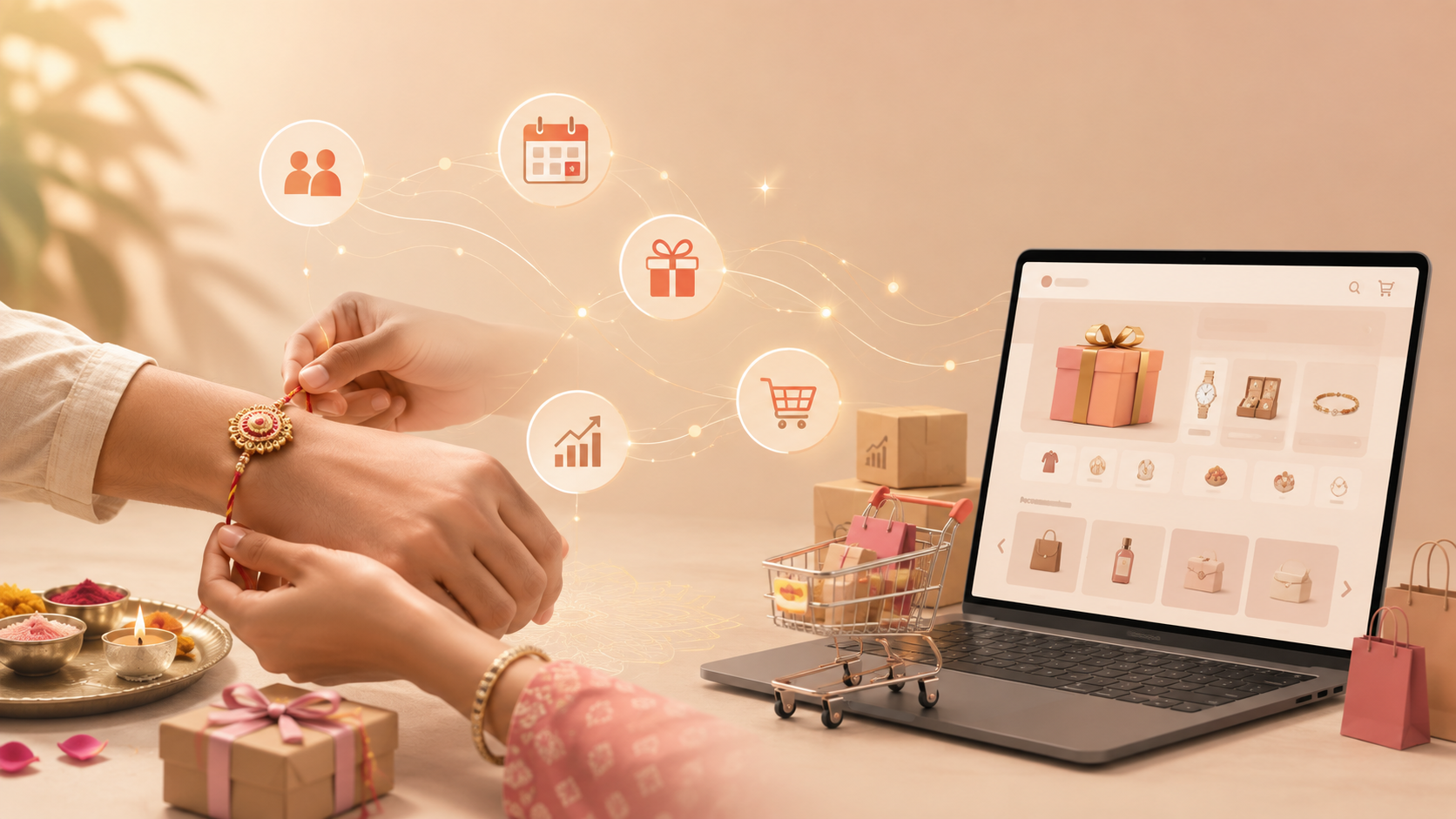

A few months ago, marketing consultant Sumit Rajani wrote something on LinkedIn that stuck with a lot of people in the growth world. He said he had stopped asking what his brand's market share was and started asking a harder question instead: in how many real moments in a customer's life does his brand actually show up?
It is a small shift in phrasing, but it points to a much bigger shift in how growth actually happens in ecommerce today. Category share is a scoreboard but moments are where the game is actually played. And nowhere is that more visible than in India's festival calendar, where a single occasion like Raksha Bandhan can move more carts in ten days than an entire quarter of always-on marketing.
This post is about that shift. What occasion-based commerce really means, why it has quietly become one of the sharpest growth levers in ecommerce, what a festival like Raksha Bandhan tells us about it, and what D2C brands need to get right before the next big occasion lands on their calendar.
Here is a simple way to think about it. Personalization asks, "what has this person bought or browsed before?" Occasion-based commerce asks a different question: "why is this person shopping right now, and who are they shopping for?"
That distinction matters more than it sounds. A shopper searching for a leather wallet in June is probably shopping for themselves. The same shopper searching for a leather wallet in the second week of August, right before Raksha Bandhan, is very likely shopping for their brother. Same product, completely different intent, completely different messaging that should surround it.
Most ecommerce personalization still runs on the first question. It looks backward at behavior. But as ecommerce personalization research heading into 2026 points out, the more advanced systems are starting to look forward, reading intent in real time rather than reacting to what a shopper did yesterday. Add AI shopping assistants into the mix, tools a customer might genuinely ask "what should I gift my sister for Rakhi under two thousand rupees," and occasion stops being a marketing theme. It becomes a data field. A brand's catalog either understands occasion as a structured signal, or it becomes invisible the moment a shopper (or an AI agent shopping on their behalf) asks a question framed around a moment instead of a category.
Wine is one of the most tradition bound, brand heritage driven categories that exists. And yet 2026 wine industry trend reporting describes the entire growth playbook shifting toward what it calls moment based marketing, matching specific formats and flavours to specific drinking occasions like a Friday night wind down, a brunch with friends, or a quiet date night at home, instead of just pushing premium positioning. If an industry this resistant to change is rebuilding itself around occasions, that is not a passing trend. That is a signal that occasion has become a more powerful organizing principle than category itself, across almost every kind of shopping.
There is a second force at play too, and it is one worth genuinely sitting with. As shopping increasingly routes through AI agents and predictive assistants, "occasion" is turning into something closer to a search filter than a seasonal campaign idea. A brand that has never tagged its products by relationship, ritual, or moment is, in effect, unsearchable for a huge share of festive and gifting intent, even if the product itself is perfect for the job.
If you want to see occasion-based commerce built out properly, Blinkit's Raksha Bandhan storefront from last festive season is a genuinely useful case study to walk through. It breaks the idea into five distinct moves that any D2C brand can borrow.
Segment by relationship. Instead of one generic "gifts" tab, the app splits gifting by exactly who the shopper is buying for: younger sister, elder sister, bhabhi, younger brother, elder brother, nephew. It sounds obvious once you see it, but very few catalogs are actually structured this way.
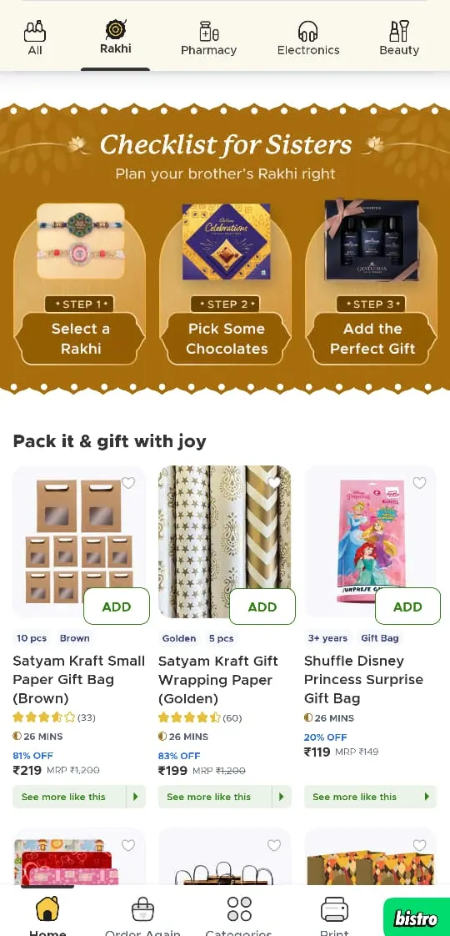
Digitize the ritual. Cash gifting is a huge part of Raksha Bandhan tradition, so the app built an entire section around decorative shagun envelopes, treating a tradition that has nothing to do with "product" as a real merchandising category of its own.
Guide the decision. A simple three step flow (pick a rakhi, add chocolates, choose a gift) does more to lift basket size than any discount banner, because gifting decisions are stressful and a guided path removes the friction of choosing.
Use urgency where it is earned. Fast delivery windows shown directly on chocolate and sweet listings turn a low-thought item into an impulse add, because for last minute gifting, speed genuinely is the value proposition.
Treat presentation as part of the product. Gift wrap, boxes, and packaging get their own dedicated section, because when a gift is being sent rather than handed over in person, the unboxing moment carries a big share of the emotional value.
Put together, it is a rethink of how the catalog itself is organized around a moment, and it is a template worth stealing regardless of category.
The demand signal around this festival keeps getting louder every year. Raksha Bandhan sits alongside Diwali and Dhanteras as one of the strongest gifting-intent occasions on the Indian ecommerce festive calendar, and this year's data adds some sharper detail to that picture.
According to a 2026 analysis of Rakhi gifting behaviour based on internal order data, roughly 68 percent of shoppers now prefer personalized gifts over generic ones. That is not a niche preference anymore, it is the majority. And it lines up with a broader shift reported across gifting coverage this season: shoppers are moving away from single, standalone gifts toward curated hampers, engraved keepsakes, and premium packaging that make the gift feel considered rather than convenient.
There is a physical world echo of this too. D2C brands have been expanding their offline retail footprint faster around exactly these gifting windows, which tells you something important: this demand is not just an online spike, it is strong enough that brands are willing to open physical stores to capture it.
Here is the part most brands miss, though. Raksha Bandhan is not a two week event. It closes and Janmashtami, Ganesh Chaturthi, Navratri, and Diwali arrive in quick succession. Brands that treat each festival as an isolated campaign end up rebuilding their occasion strategy from scratch every few weeks. The brands that actually win the festive season treat the entire run as one continuous, sequenced occasion calendar, and Raksha Bandhan is simply the first real test of whether that system works.
This is really where most D2C brands lose the moment, and it usually has nothing to do with their marketing. It comes down to whether the catalog itself is ready to be found.
Think about what a shopper (or an AI shopping assistant on their behalf) is actually searching for in the second week of August: "personalized rakhi hamper for elder brother," "rakhi gift under 1500 with fast delivery." If a product page has no occasion tagging, thin descriptions that never mention gifting or relationships, and inconsistent data across the storefront and marketplaces, it simply will not surface for that query, no matter how good the product is.
Because occasion-based demand spikes and disappears fast, unlike evergreen search traffic that gives you months to recover, a catalog that is not ready on day one of the rush effectively misses the whole festival.
There is also a slower, more strategic version of this problem worth naming. Most D2C teams build their SEO and content around evergreen category keywords, "buy leather wallet online," "best skincare serum for oily skin," and treat festive content as a once a year addon written in a rush. But occasion-based search is not an addon; it is arguably the highest intent traffic a brand will ever get, because the shopper has already decided to buy, they are just deciding what and from whom. Building occasion pages, relationship based collections, and gifting focused product copy as a permanent part of the catalog, rather than a seasonal sprint, is what actually compounds year over year instead of starting from zero every August.
This is exactly the gap Yarnit Catalog IQ was built to close. It audits your product catalog against the kind of occasion based, relationship driven, discovery ready standard that Blinkit's Rakhi storefront demonstrates so well, and flags what is missing before the rush. If you want a quick read on where your own catalog stands, you can run a free Catalog Score scan at retail.yarnit.app and see exactly what an AI shopping agent, or a shopper in a hurry, would see when they land on your product pages this festive season.
.avif)

From collection to clarity — we’ll help you make sense of it all.

Giving shape to intelligence