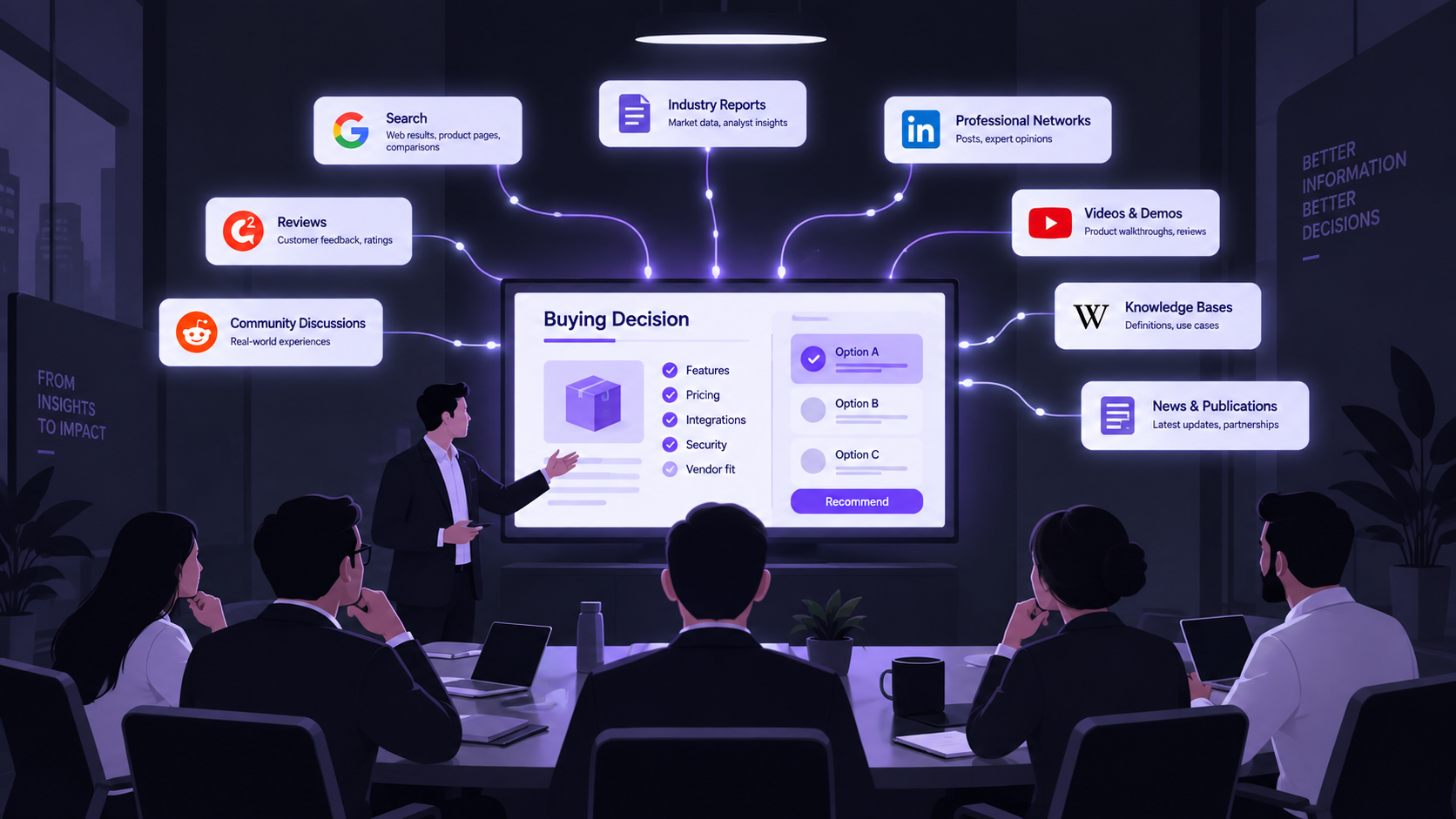
Search Everywhere Optimization (SEvO) is the response to AI search. Show up, correctly, wherever your buyer goes looking for an answer, and you're halfway to a deal.

Agent Memory Has Outgrown Retrieval
How to Build Topic Clusters in the AI Search Era: A Practical Guide
How to Track AI Visibility Across ChatGPT, Perplexity, Claude, and more
Search Everywhere Optimization (SEvO): The B2B Guide to Getting Found in AI Search
Your Business Data Is Everywhere. Can AI Make Sense of It?
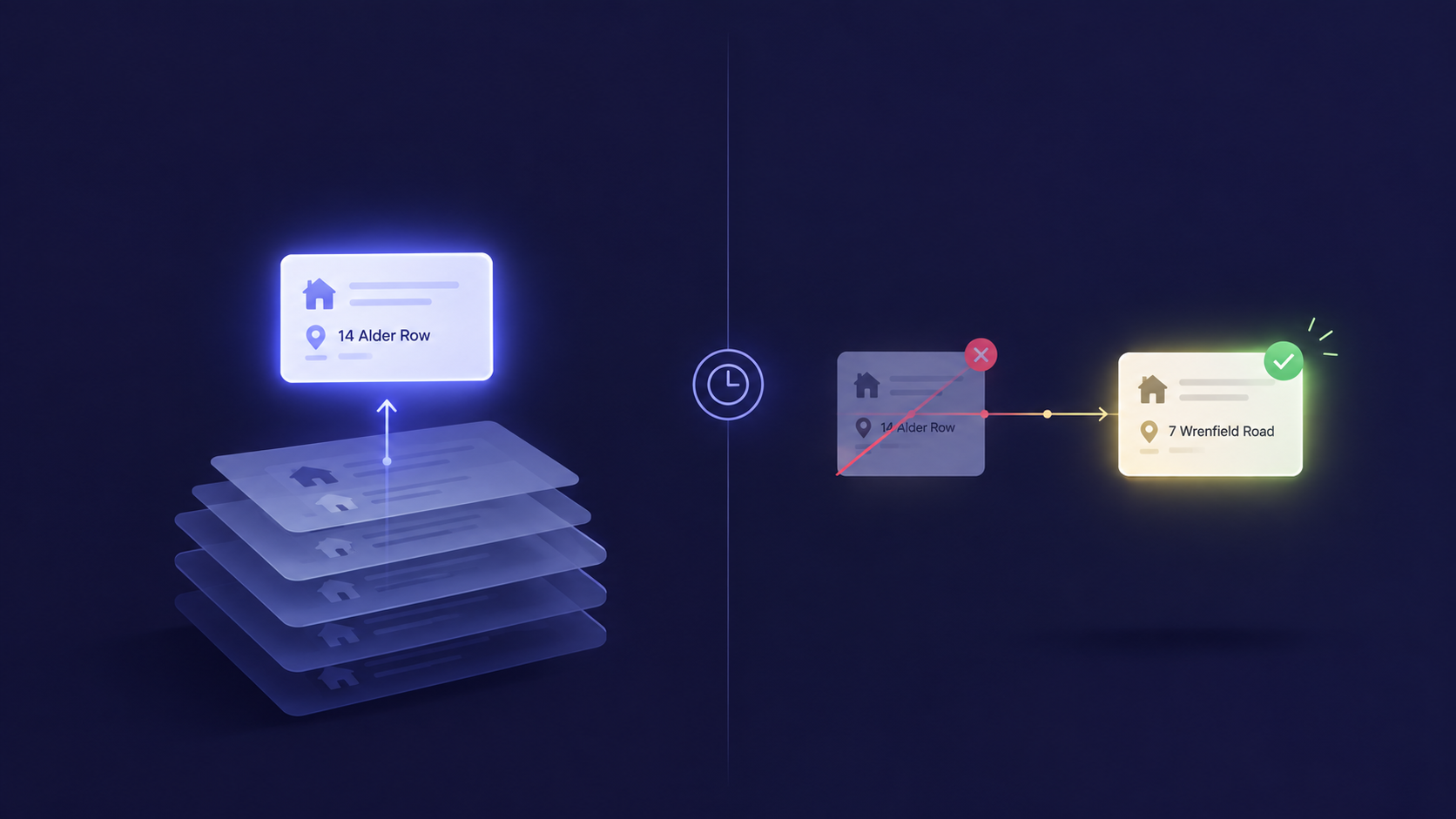
Most AI memory systems can find relevant past information but can't tell if it's still true, so agents act on stale data that was technically "retrieved correctly."
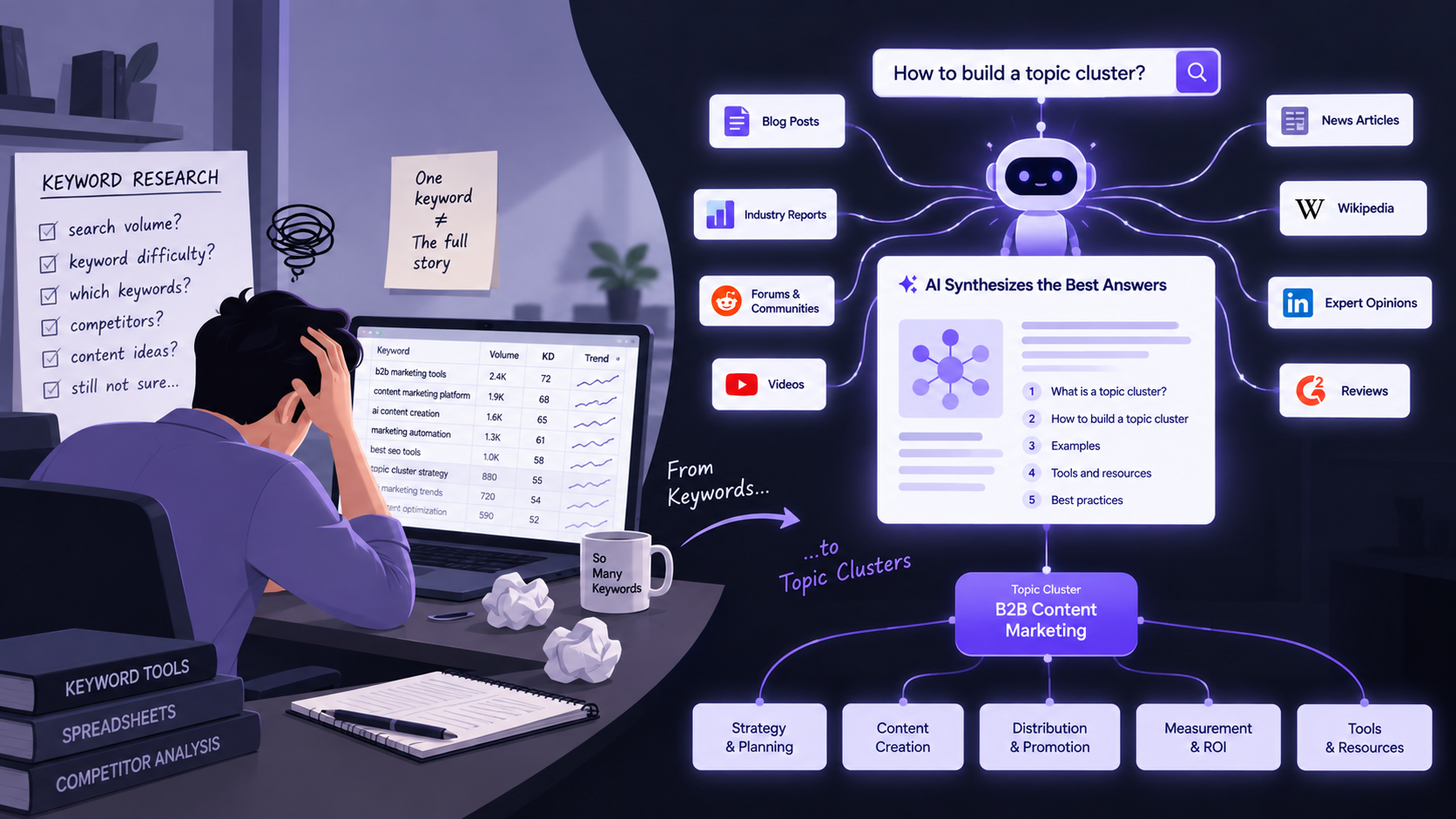
Learn how to move beyond keyword-based clustering, create comprehensive resources, and build evidence that helps AI systems understand and cite your content.
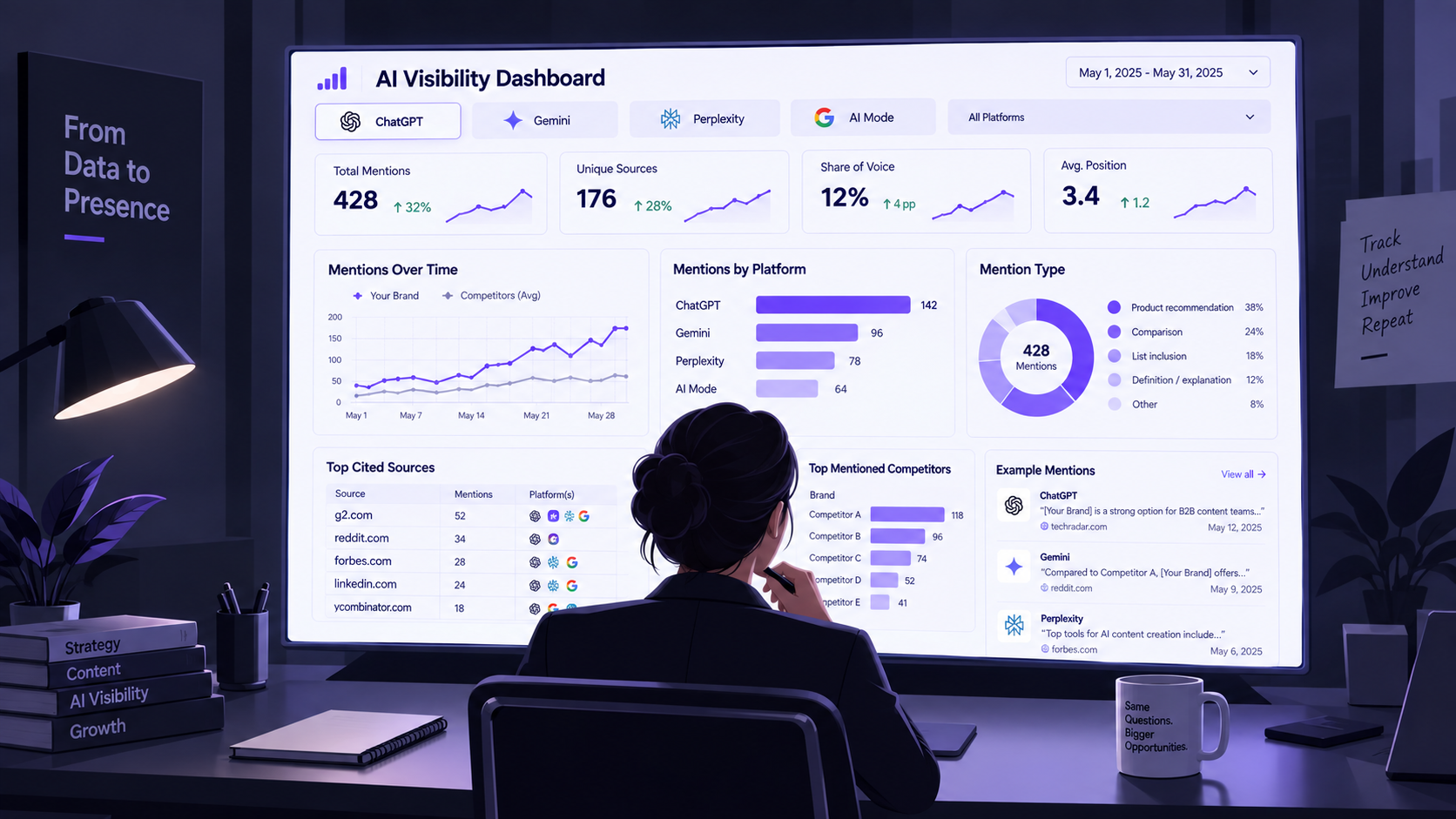
SEO visibility was a settled question. You had Search Console for impressions, Ahrefs or Semrush for positions, GA4 for what happened after the click. AI visibility has none of that.
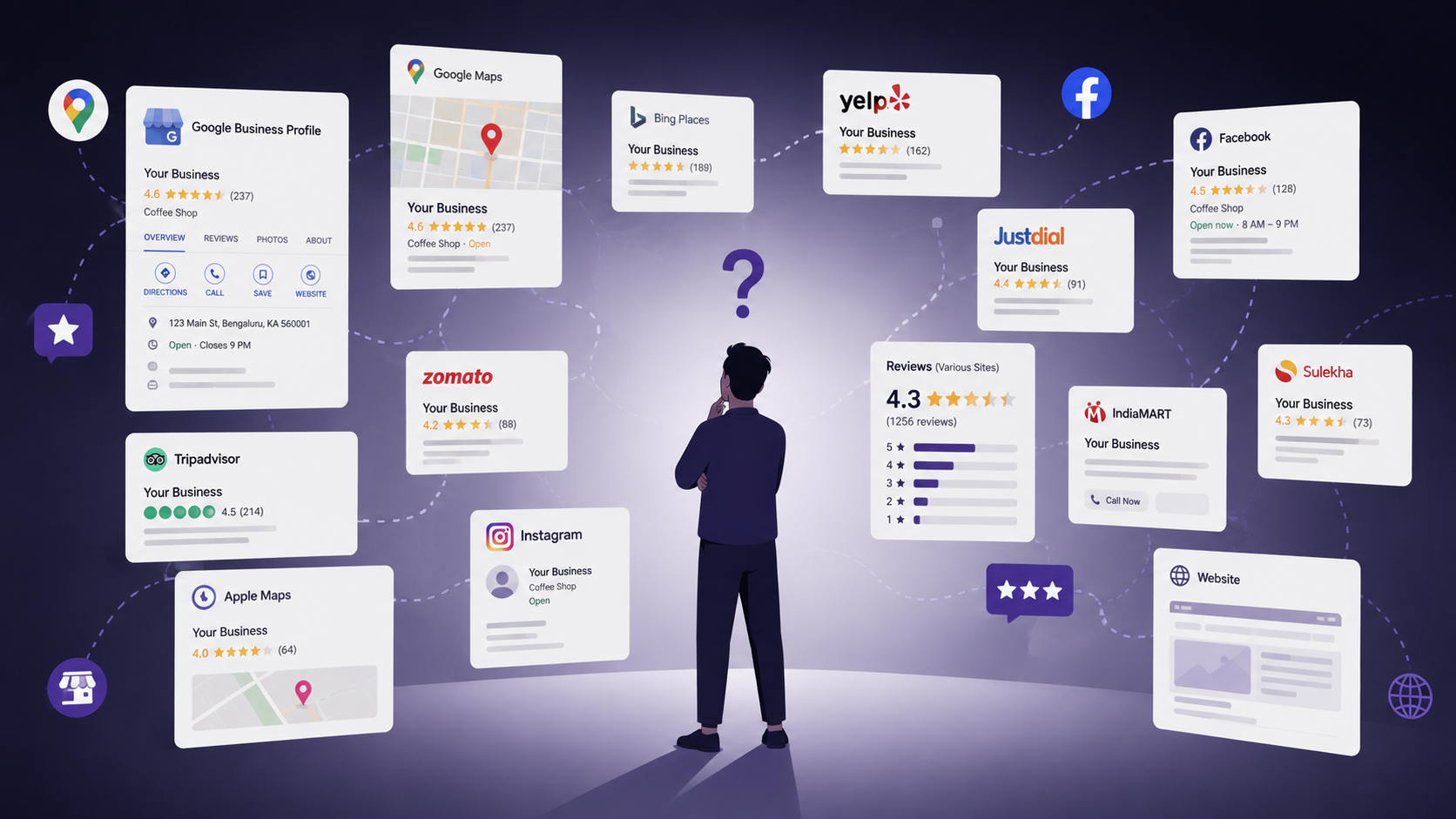
Most conversations about showing up in ChatGPT, Gemini, or AI Overviews focus on content: better pages, sharper answers, more structured markup. The question that matters more gets skipped: does the business actually agree with itself across the internet?
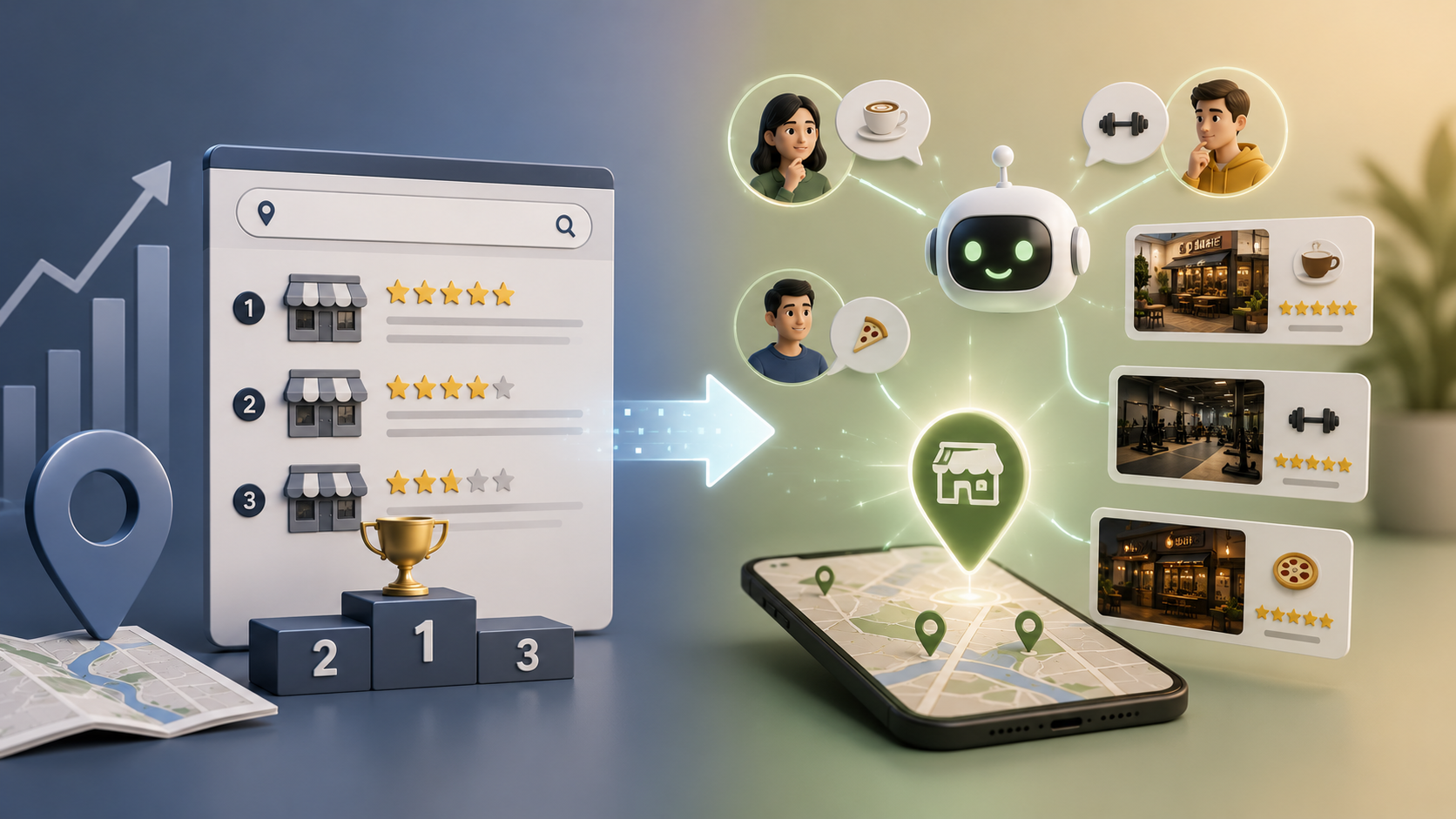
For most of the last fifteen years, local SEO had one job: win a position in a ranked list. That model is now being dismantled by a change in what "search" even means.
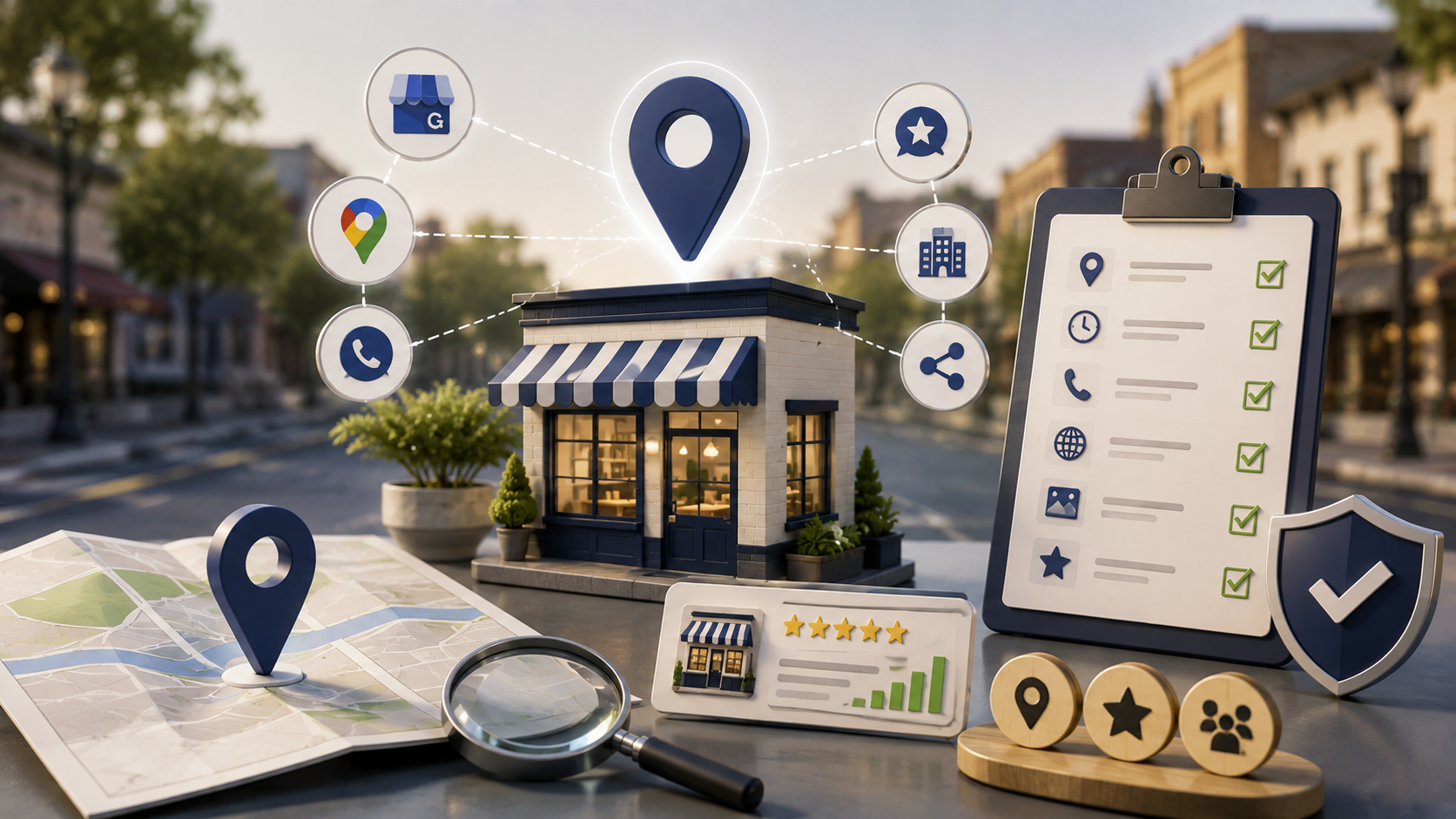
Below is a practical, sectioned checklist covering the areas that matter most, with an India-specific lens on the third-party platforms and directories that actually carry weight here.
Because occasion-based demand spikes and disappears fast, unlike evergreen search traffic that gives you months to recover, a catalog that is not ready on day one of the rush effectively misses the whole festival.
None of these features move the needle in isolation. Stack them together and you stop treating LinkedIn like a content calendar and start treating it like what it actually is for B2B
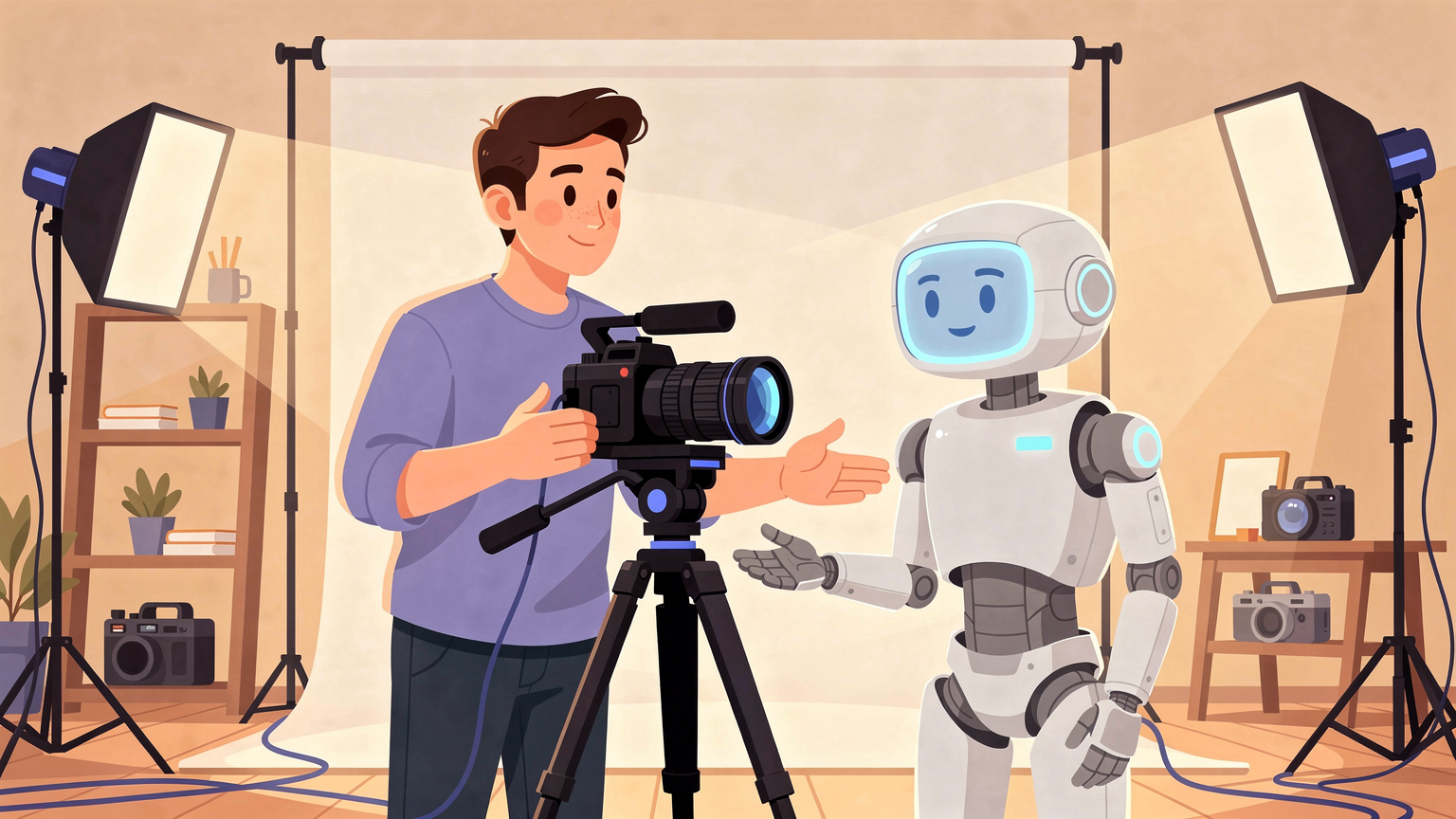
B2B deals are slow and involve a lot of people who never talk to a salesperson before making up their mind. A video does something a paragraph can't: it lets a stranger hear your tone, see your face, and decide in ten seconds whether they trust you.
The market just looks like it's answering with licensing instead of advertising. The key learning here for marketers? Machines aren't an audience. They're a pipeline to one: a high-intent, super-targeted form of human traffic.
Let's walk through what's actually launched, how it's different from the performance ads you already know, and what it means for how you'll need to think about budget going forward.
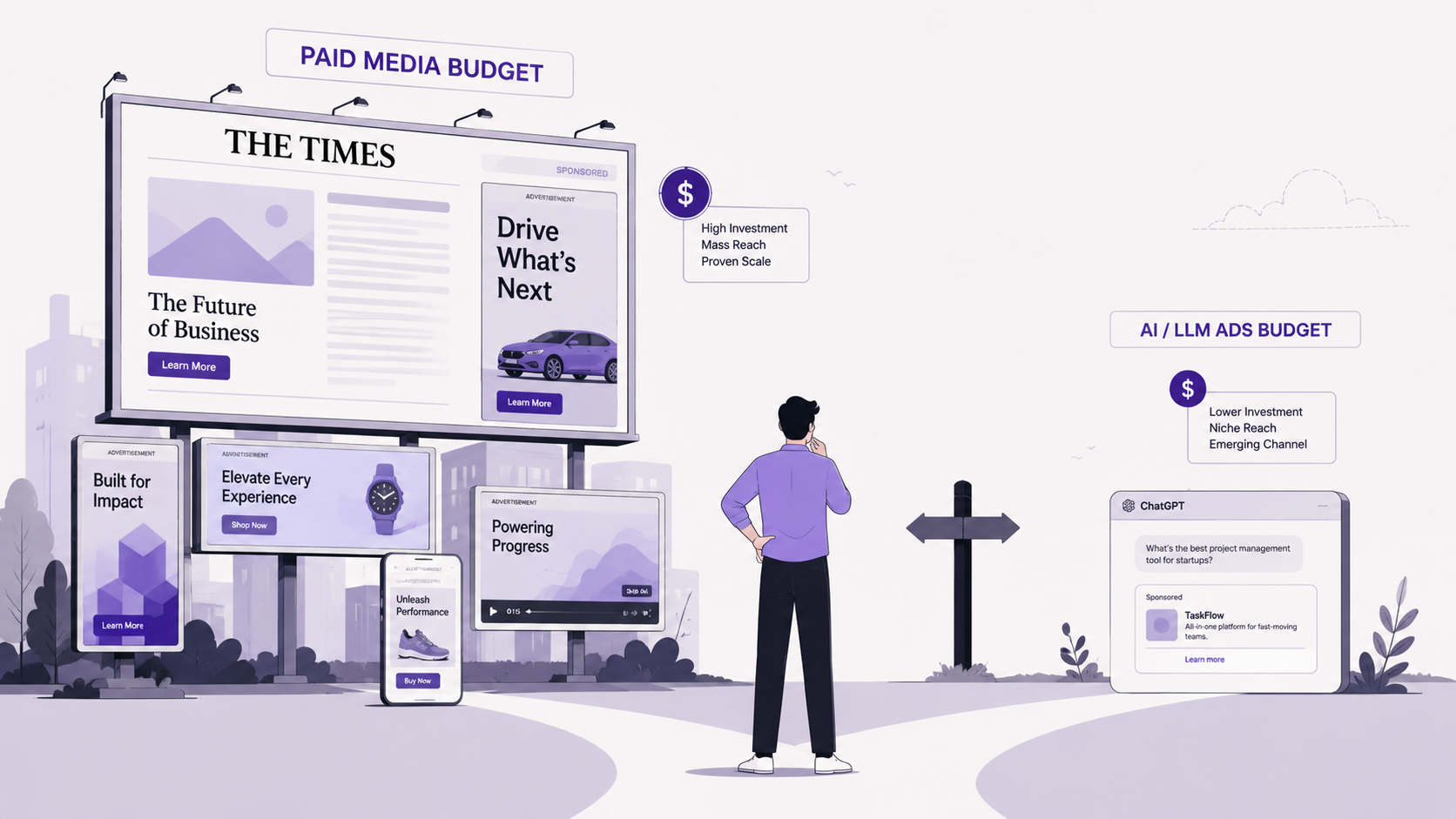
What does not hold is the assumption that a ChatGPT ads budget does the same thing. It does not. Not partly, not eventually. The two run on separate machinery, and a marketer who treats them as one line item is going to fund the wrong one and wonder why the recommendation never showed up.
Stop treating content as a list of assets, and start treating it as a trust-based content system.
AI models don't recommend products based on star ratings alone—they rely on specific, verifiable user experiences. Learn why review platforms have become AI's trust layer and how to write reviews that actually get cited.
AI assistants don't have opinions. They have citations. When someone asks an LLM to recommend a tool, a vendor, or a service, the model is stitching together a web of sources it trusts
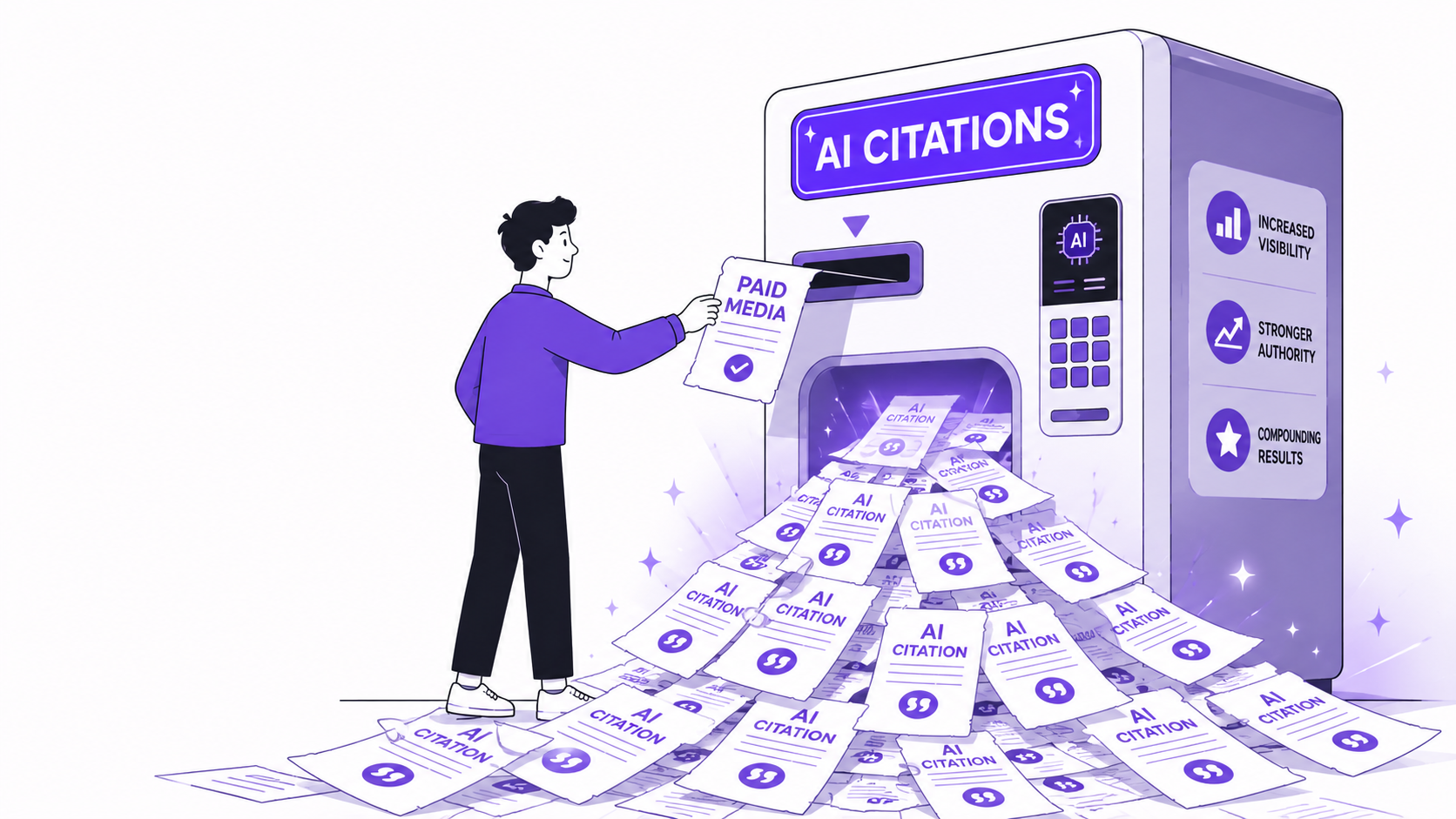
AI search doesn't trust ads alone. Learn how PR, reviews, podcasts, and original content help AI models discover, understand, and cite your brand long after campaigns end.
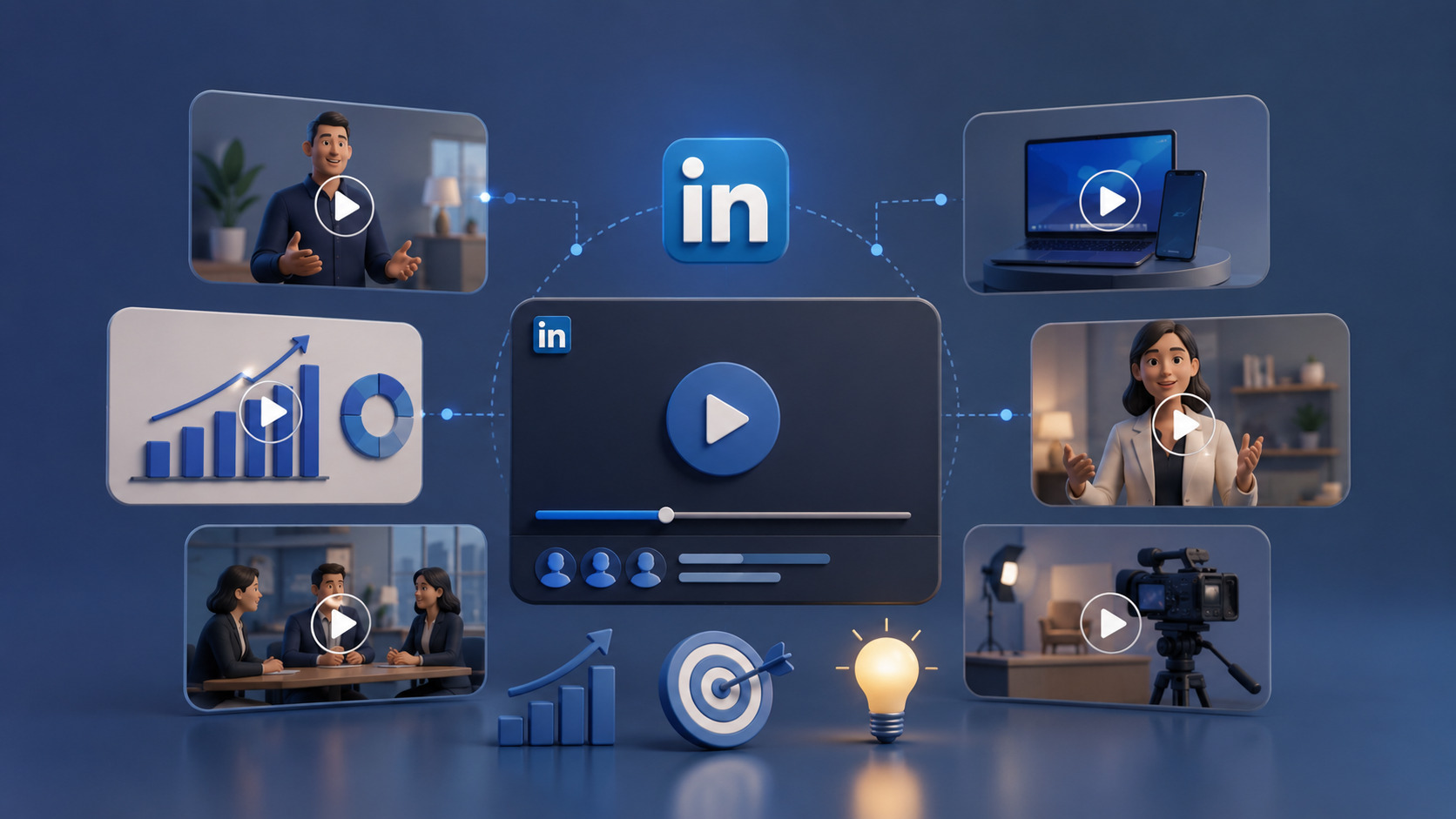
Learn which LinkedIn video formats are driving the highest engagement for B2B brands in 2026. Discover proven content types, best practices, and platform features to grow your reach and build trust.
Here's how you can use AI to move faster without sounding like everyone else who is also moving faster.
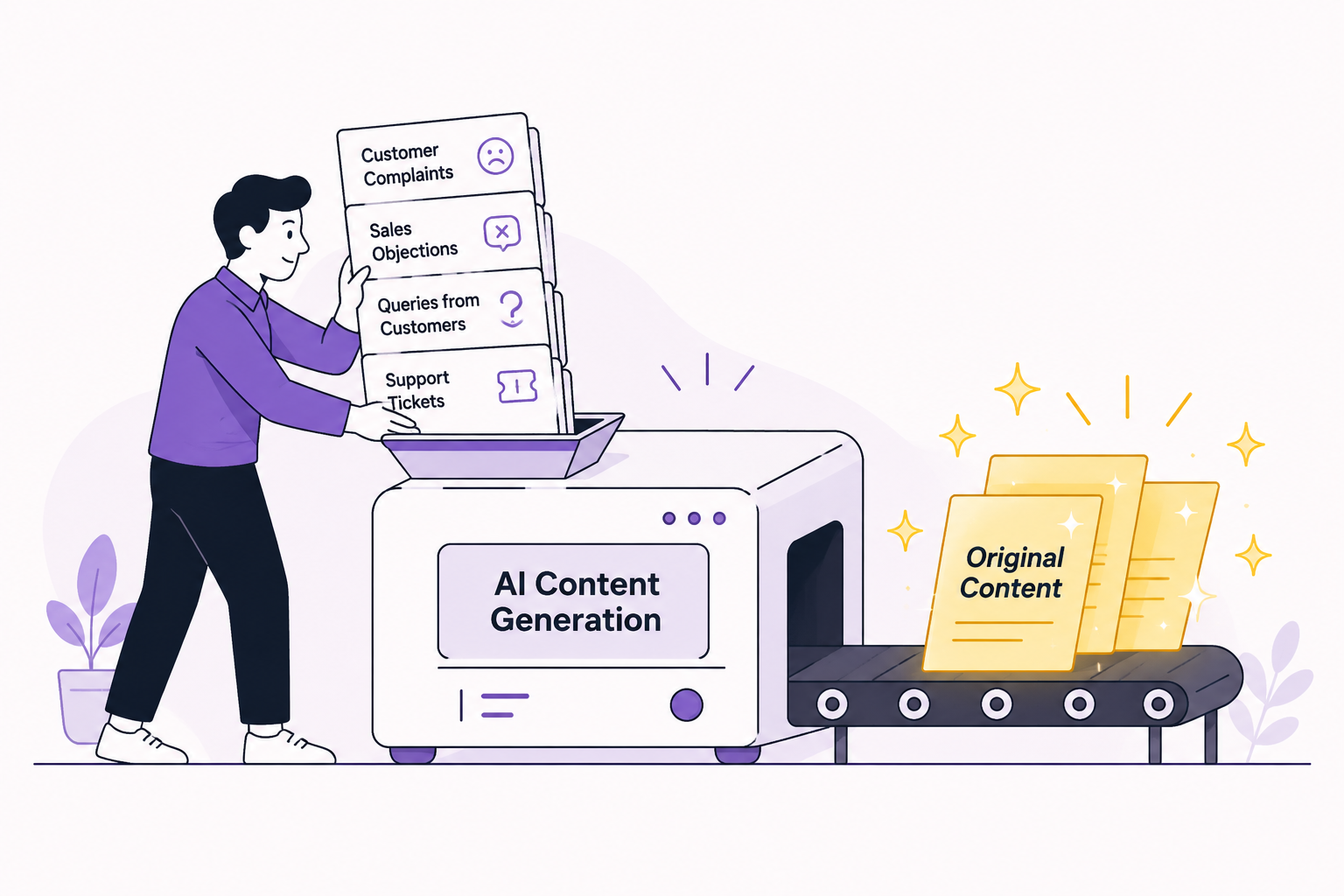
Learn how to turn sales calls, reviews, support tickets, and AI queries into content that ranks in both search engines and AI assistants.
You are sitting on a content goldmine and ignoring it every single day.
This blog explores why content engineering is emerging as the next career path for marketers and how you can start making the shift today.
This blog walks you through what that shift demands: where marketing skill used to live, where it lives now, and where you need to plant your flag for the next three years.
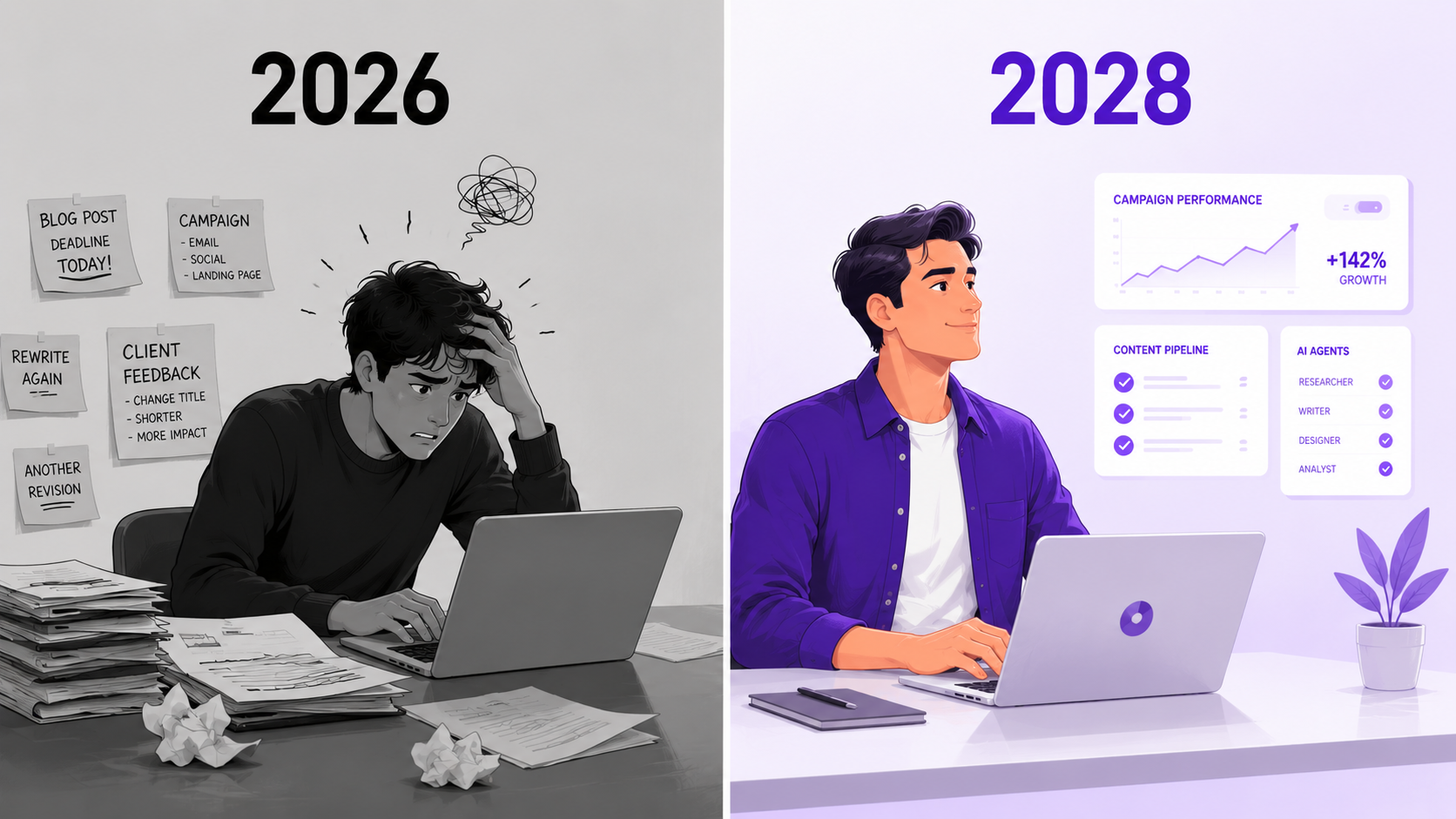
Marketing careers are being rewritten by AI. Discover how leading teams are using AI today, what Content Engineers actually do, and the capabilities that will keep you indispensable.
Compare leading platforms like Yarnit CreativeOS, Adobe Firefly, Photoroom, Ideogram, and Canva to create high-quality product photos, lifestyle imagery, ad creatives, and marketplace assets faster, more affordably, and at scale.
This article reviews 5 leading AI Product Description Generator tools in 2026, with a particular focus on Yarnit's CatalogIQ, which continuously optimises product descriptions, titles, attributes, metadata, and FAQs using live market signals.
As AI makes content easier to create and harder to differentiate, human faces have become a brand's most defensible asset. Brands that amplify real people build deeper trust, stronger engagement, and lasting competitive advantage.
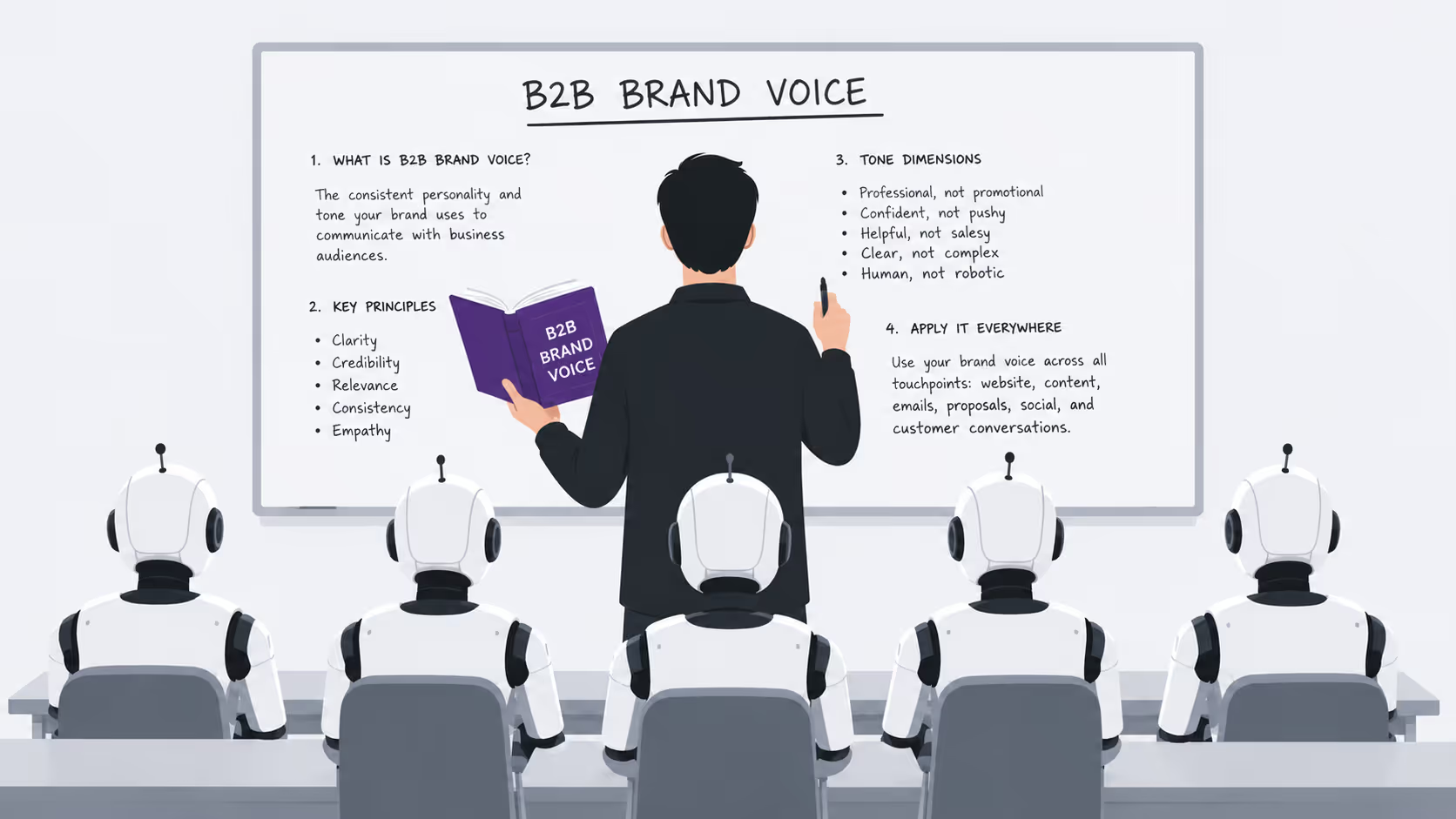
This playbook will show you exactly how to make your B2B brand voice authentically yours at scale, starting with figuring out what you actually sound like in the first place.
We're going to look at what happens when everyone's content starts sounding identical: how AI tools create cookie-cutter messaging, which brands are actually breaking through with distinctive voices, the slow-burn damage of generic content, and what you can actually do to reclaim your brand's unique voice.
Learn how small marketing teams can use AI to scale content, visibility, and conversions without expanding headcount.
AI has shifted marketing's biggest constraint from production to strategy, giving small teams the power to scale without enterprise budgets.
The biggest opportunity isn't learning every new AI tool that appears on your timeline. It's learning how to think across the entire funnel.
This guide compares seven leading AI content platforms and explains why marketing teams are exploring more advanced options for SEO blog generation.
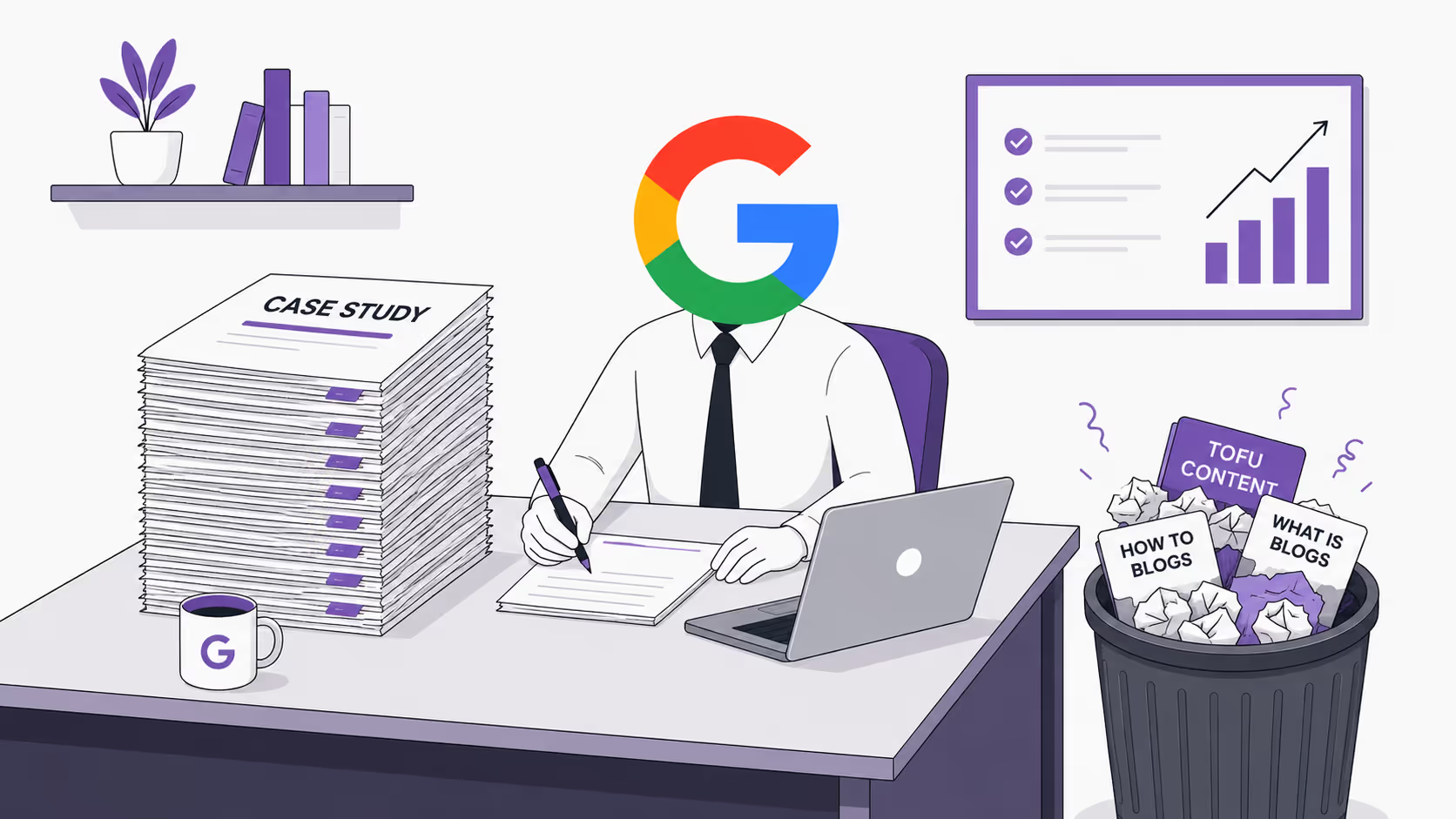
This blog explores why traditional narrative-heavy case studies fail in AI-driven discovery and explains how to restructure them for maximum visibility, citability, and trust.
This post breaks down exactly how to pivot your content strategy toward BOFU, what types of content to create, and how to repurpose everything efficiently. Time to get specific.
AI engines like ChatGPT and Gemini are shifting buyer journeys away from traditional search and toward conversational recommendations. As a result, bottom-of-funnel content packed with proof, comparisons, and decision-making context is becoming the most valuable content asset for brands.
In this blog, we'll cover the strategic shift from TOFU to BOFU, decode what makes BOFU content unique, and give you a tactical blueprint for structuring content that search engines can't help but reference.
When AI agents become the primary discovery mechanism for millions of shoppers, brands that haven't optimized for this reality simply won't exist in those conversations.
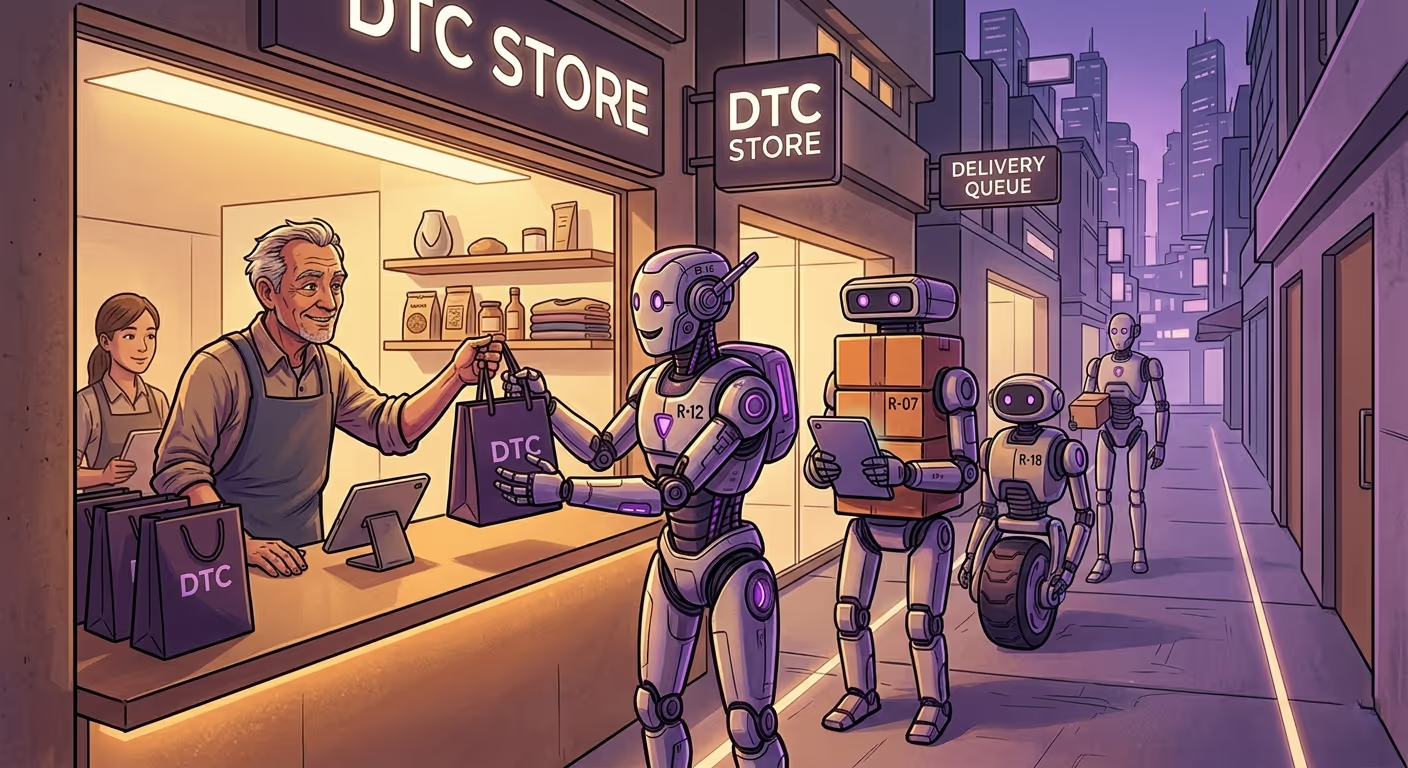
his blog explores how agentic commerce works, why payment networks are rapidly building standards for AI-driven transactions, and what ecommerce brands must do to stay discoverable in an AI-native shopping ecosystem.
This guide breaks down what agentic commerce really means, how it works under the hood, and what ecommerce brands must do to stay visible when AI is making the decisions.
This guide breaks down how to structure listings for AI discovery, build trust with detailed content, and improve conversions using AEO-driven strategies.
AI engines are becoming the new word-of-mouth, and if your store isn't optimized to be cited by these engines, you're invisible to a growing segment of shoppers who've already moved past traditional search.
This post isn't about bashing AI video ads. It's about showing you what separates forgettable from unforgettable, whether you're using AI or not. We're talking hooks that actually hook, scripts that don't sound like scripts, and those magic moments when a viewer thinks, "Yeah, that's exactly how I feel."
This guide breaks down the three formats that matter in 2026—B-roll, UGC talking heads, and branded avatars—so you can pick the right one, use the right tools, and create videos that actually convert.
This guide breaks down what actually drives performance: choosing believable avatars, writing scripts that sound human, and building a workflow that catches issues before they hurt conversions.
Discover which Canva alternatives help you scale content faster, maintain brand consistency, and create original visuals without repetitive manual work.
Here's a practical guide to create quality content in an age where words are cheap.
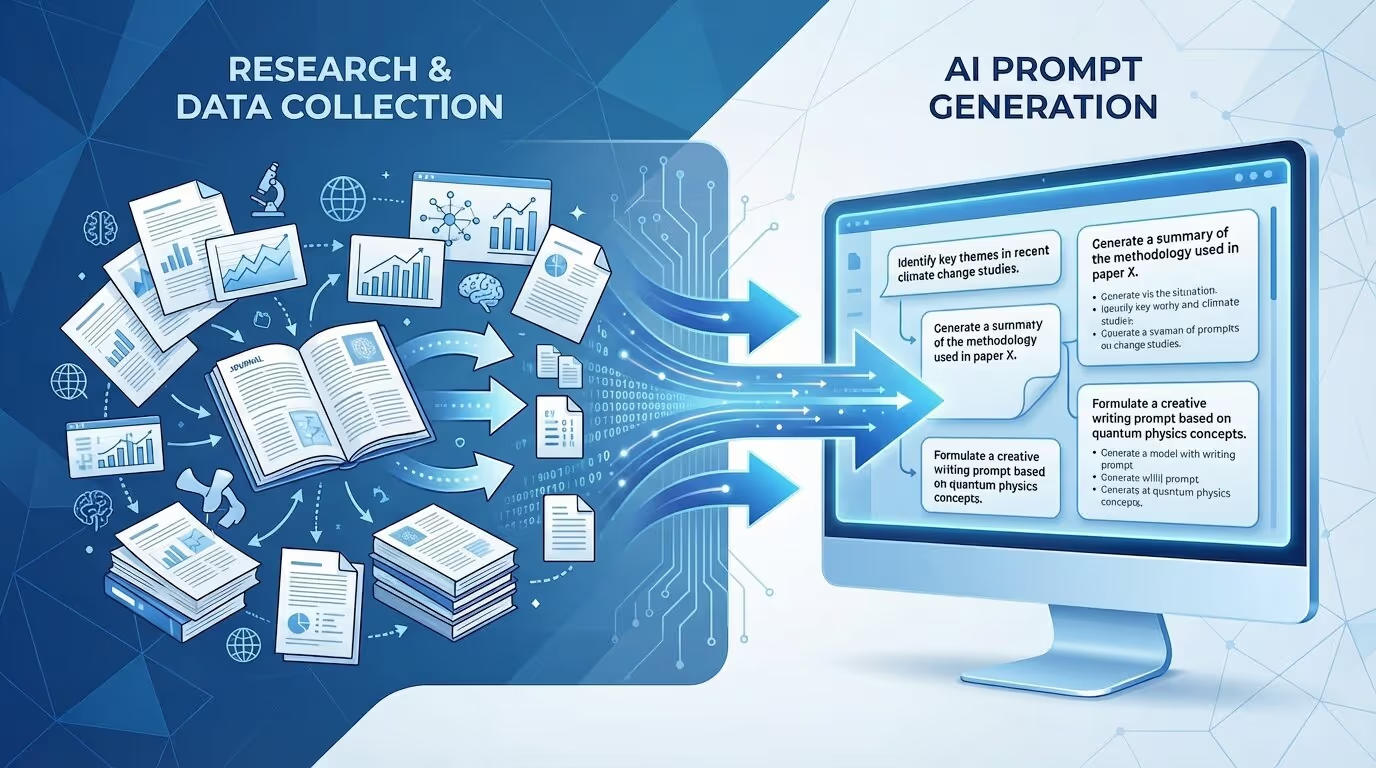
Most AI drafts fail not because of poor tools, but weak prompts. This guide shows how to turn messy research into structured prompts that consistently produce workable first drafts.
This guide breaks down a practical, repeatable workflow to research like a pro using AI, starting with defining a clear angle, gathering raw human insights, and using AI to uncover competitive gaps and structure ideas.
This isn't a strategy post. It's a blueprint. Five workflows, five copy-paste templates, mapped to tools you can set up today.
Discover the best ChatGPT alternatives for your specific needs. Compare specialized AI tools for marketing, research, and productivity in 2026.
When someone says "just plug an AI agent into your stack," the honest response is: plug it into what, exactly? This post is about answering that question properly.
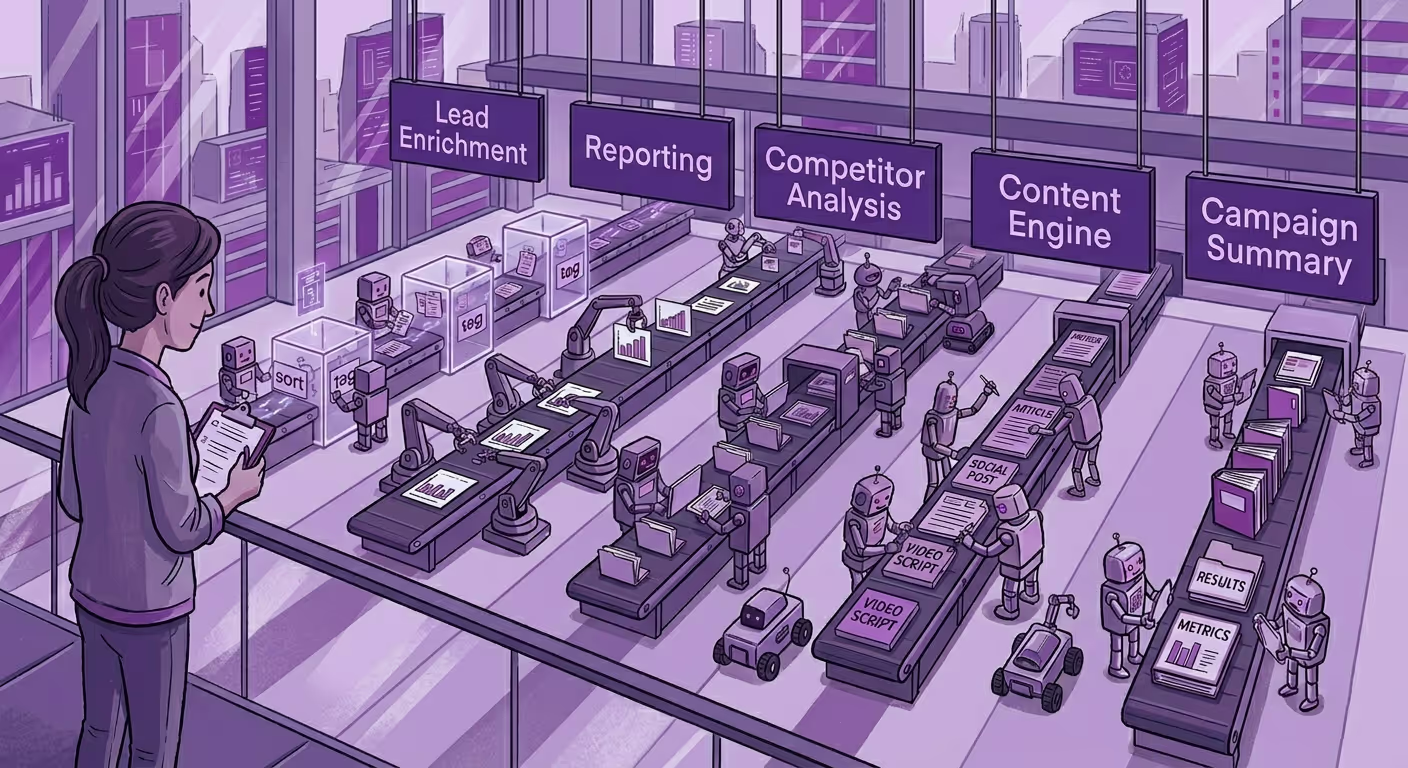
AI agents have been everywhere lately, And every time it comes up, the conversation quietly shifts to the tech team. But here's the thing: it's not that complicated. Not anymore. This blog breaks down how you can create AI systems that make decisions inside your workflow.
Discover top Copy.ai alternatives that go beyond basic content generation to support SEO, brand consistency, and end-to-end marketing workflows.
For a standalone ecommerce site or third-party Amazon seller, competing on Google's first page for mainstream electronics keywords is essentially impossible. But while everyone's fighting over the same crowded SEO battlefield, there's a massive opportunity sitting right in front of them.
The key to ranking in furniture e-commerce SEO is not just optimizing products, but building content that answers how people actually shop.
In this blog, we’ll take you through how you can use AI to save your campaigns at the last moment, create supporting graphics for your content, repurpose your long-form content to fill out your social calendar, and even create fresh new visual content that’s up there with your overworked graphic designer.
Creating fresh content for each platform every day is unrealistic. The smarter approach is repurposing content for social media, taking one core idea and adapting it into multiple formats tailored for different audiences.
Learn how to create infographics that get read and shared. This guide shows you how to pick the right blog content, write powerful AI prompts, iterate smartly, and use the best 2026 tools.
AI image generators transform fashion photography. Learn how to choose tools that drive conversions, not just create beautiful product images.
With the launch of the UCP, commerce is becoming embedded in AI interfaces where discovery, decision-making, and checkout can occur together in real time. For brand owners, this opens new opportunities for conversion, but also introduces new expectations and operational requirements.
Discover how agentic commerce and Google's UCP simplify AI shopping. Real stats, case studies, and what brands need to know now.
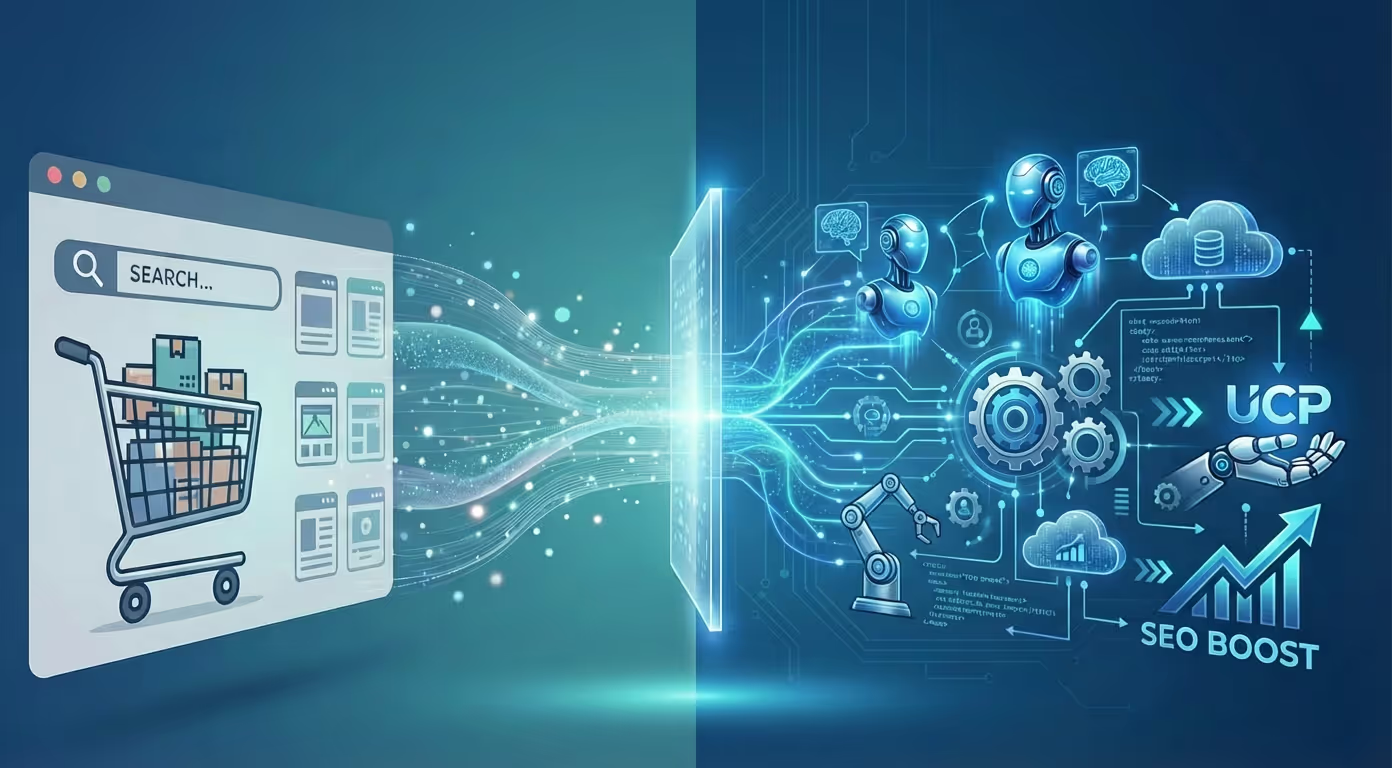
Google’s Universal Commerce Protocol (UCP) shifts e-commerce SEO from driving traffic to enabling AI agents to complete purchases using structured, real-time product data. In the UCP era, success depends on transactional readiness, agent selection rates, and optimising for AI-led commerce, not just rankings and clicks.
Enhance AI visibility through Reddit. Master authentic engagement, strategic commenting, and trust-building to get cited by AI-powered search.
AI SDRs represent something bigger: the transformation of top-of-funnel execution from a manually coordinated process into a continuously operating system. Because, with AI it’s more than just your “modern” revenue stack that’s at play; it’s how you make revenue. Let’s get into how AI SDRs are changing the game in sales and marketing.
Learn what an AI SDR does, how it works, and how sales teams use it to manage sales development tasks at scale without replacing human reps.
In this blog, we’ll break down the top 5 workflows AI sales agents are automating today, and how they’re helping sales reps spend less time preparing, and more time closing.
Learn how AI-powered SEO agents automate keyword research, content optimization, and technical audits. Real examples, use cases, and best practices for 2026.
High-value prospects are just waiting for your brand to appear in search results, but how do you make sure that happens? Read on to know more.
While Jasper.ai has been a popular choice, alternatives like Yarnit, Semrush, Surfer SEO, Copy.ai, and Blaze AI offer unique advantages in output quality, SEO integration, collaboration, and cost efficiency.
Welcome to Answer Engine Optimization, where being cited beats being ranked every single time. AI models demand missing information, and your featured snippets supply it in precisely the format they need.
AI engines don't prioritize individual websites anymore. They seek consensus across diverse web sources, and here's how you can crack it.
This blog explores why AI search isn’t all bad, how search is now a demand gen engine, how AEO and GEO actually works, and how you can crack it.
Practical guide for e-commerce teams on using AI to maintain consistent, high-performing product listings across Amazon, Walmart, and Shopify.
10 key differences between AI and human intelligence in content marketing. Generic explanations and marketer tips with healthcare examples to build winning hybrid strategies.
This guide breaks down exactly how to humanize AI content, from preparation through final polish.
Explore how AI agents automate SEO, content, and creative workflows, helping online stores save time, cut costs, and maintain brand consistency.
This article explores what AI in B2B marketing will look like in 2026.
Learn how to humanize AI text for B2B, B2C, and D2C audiences with clear examples, strategies, and brand insights to make your content feel real and relatable.
Learn 11 simple ways to humanize AI text for emails that boost opens and clicks. Real examples, pro tips, and stats to make your campaigns convert better.
We'll examine how AI shopping is revolutionizing customer experiences, why hyper-personalization has become non-negotiable, and how emerging technologies like virtual try-ons and livestream shopping are bridging the gap between digital and physical retail.
We spent 2025 watching what actually moved in LinkedIn marketing.
In 2025, somewhere between the hype cycle and the hangover, AI marketing found its footing.
Explore seven proven AI content marketing strategies food & beverage brands use to personalize campaigns, scale visuals, and boost engagement in 2026.
In this post, we’ll walk you through why product descriptions matter for beauty & skincare brands, what makes them high-converting, and a checklist of must-haves when you write them.
Learn creative strategies and AI tools to help beauty brands stand out with engaging Instagram ads, boosting reach and sales.
Let's cut through the AI hype and examine what six leading voices are actually saying about the future of agentic AI.
Here are the trends—grounded in current research—that will define AI in 2026.
If you're wondering what to expect in 2026, the answer is already taking shape. Here are the ten AI trends that defined 2025 and will dominate your 2026 roadmap.
If you're still in doubt about whether AI tools should drive your fashion ecommerce business, below is a detailed breakdown of how other fashion brands are using AI-driven content to achieve significant results.
Master essential tips to write SEO-optimized product descriptions that increase sales, reduce returns, and engage shoppers for clothing brands.
By embracing these AI trends thoughtfully, you can transform your operations, content strategy, and business model for 2026 and beyond.
This blog will delve into the critical role images play in DTC ecommerce, outline the challenges brands face, demonstrate how AI can address them, provide actionable dos and don’ts, and introduce a straightforward way to integrate AI-powered image creation into your brand’s workflow without unnecessary complexity.
Unlike conventional chatbots or fragmented automation, agentic AI acts like a smart teammate that understands your customer context, learns from their interactions, and autonomously manages workflows, from support to upselling, so your brand can focus on what it does best: delighting customers.
Discover how Nykaaland 2025 lets DTC brands engage audiences, capture insights, and turn live experiences into lasting growth and content.
We'll explore five critical workflows where agentic AI delivers real ROI: managing product pages, creating new PDPs, ideating launch campaigns, generating campaign imagery, and running organic campaigns for long-term visibility. Each section includes practical tips you won't find in generic AI guides.
Eexplore the most recent and relevant Shopify statistics, highlight growth trends, and share insights from authoritative sources to help you leverage this data for your business success.
By 2025, 93% of marketers are using AI to speed up content creation. Two-thirds lean on it for planning, and more than half use it to generate content. These aren't fringe experiments anymore.