When that serum bottle lands in your customer’s cart, what really sells isn’t the bottle. It’s the words.
Let’s say a shopper lands on your online store after searching “best anti-aging night cream for dry skin.” She scrolls quickly. Will she stop at your product? That depends not on a fancy label or glossy image, but on whether what she reads makes her feel like, “Yes, this is exactly what my skin needs.”
That magic moment, when words trigger desire, trust, and clicking “Add to Cart”, is what great skincare and beauty product descriptions deliver. They act as your brand’s virtual beauty consultant, selling not just a product, but the transformation. And when written with SEO in mind, they also make sure you show up in search results, drawing more potential buyers into that moment.
In this post, we’ll walk you through why product descriptions matter for beauty & skincare brands, what makes them high-converting, and a checklist of must-haves when you write them. We’ll also address how AI is changing the game, enabling brands to scale descriptions without sacrificing quality.
Why are product descriptions more important than ever?
Let’s say a shopper, someone who cares about her skin and is overloaded with countless creams, serums, and cleansers. Instead of digging through forums or googling “best anti-aging serum for dry skin,” she simply asks ChatGPT: “Which serum gives deep hydration without clogging pores for dry, sensitive skin?” In that moment what works best isn’t flashy branding, it’s the clarity, tone and information in your product description that helps AI understand and recommend your product.
A 2025 survey by Bloomreach found that 61% of consumers have used general-purpose AI tools like ChatGPT or Google Gemini to shop online. That means more than half of today’s shoppers are turning to AI to help them research products, instead of using traditional search engines or browsing through marketplace listings.
That’s why skincare and beauty product descriptions matter more than ever because in today’s shopping world, your copy doesn’t just speak to humans. It speaks to AI too.
Instead of ranking pages based on keyword density alone, they interpret natural-language questions, like “Which moisturizer works best for oily, acne-prone skin?” and then look for product information that is clear, structured, ingredient-specific, and trustworthy. In other words, they match intent with meaning.
To cite or recommend a brand, AI systems pull from multiple sources: your product page, structured data (like schema markup), ingredient lists, reviews, pricing information, and any high-authority platforms where your product appears. They assess whether your descriptions answer real user questions, whether your claims are factual and verifiable, and whether your content is formatted in a way they can easily parse.
Core Elements of High-Converting Skincare Product Descriptions
1. Start with Benefits, Not Features
The most common mistake in beauty product descriptions is leading with technical specifications rather than tangible benefits. Focus on how the product solves a specific problem or enhances the customer's life, rather than just listing features.
Drunk Elephant C-Firma Fresh Day Serum
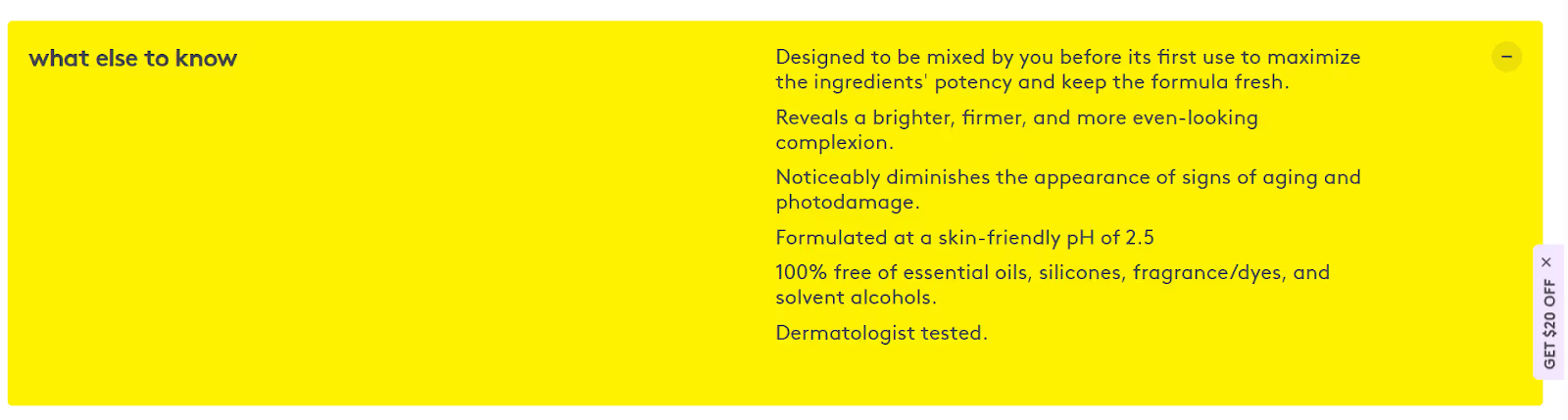
Rather than simply stating "Contains 15% L-ascorbic acid, 0.5% ferulic acid and 1% vitamin E," Drunk Elephant leads with the benefit: "Designed to be mixed by you before its first use to maximize the ingredients' potency and keep the formula fresh, this super-potent 15% vitamin C serum firms, illuminates, and improves signs of photoaging." This approach immediately tells customers what they'll achieve, firmer, brighter skin, before diving into the technical details.
2. Use Sensory Language That Creates Experiences
The beauty industry is highly sensory, so use descriptive language that appeals to the senses. Help customers imagine the texture, scent, and sensation of using your product.
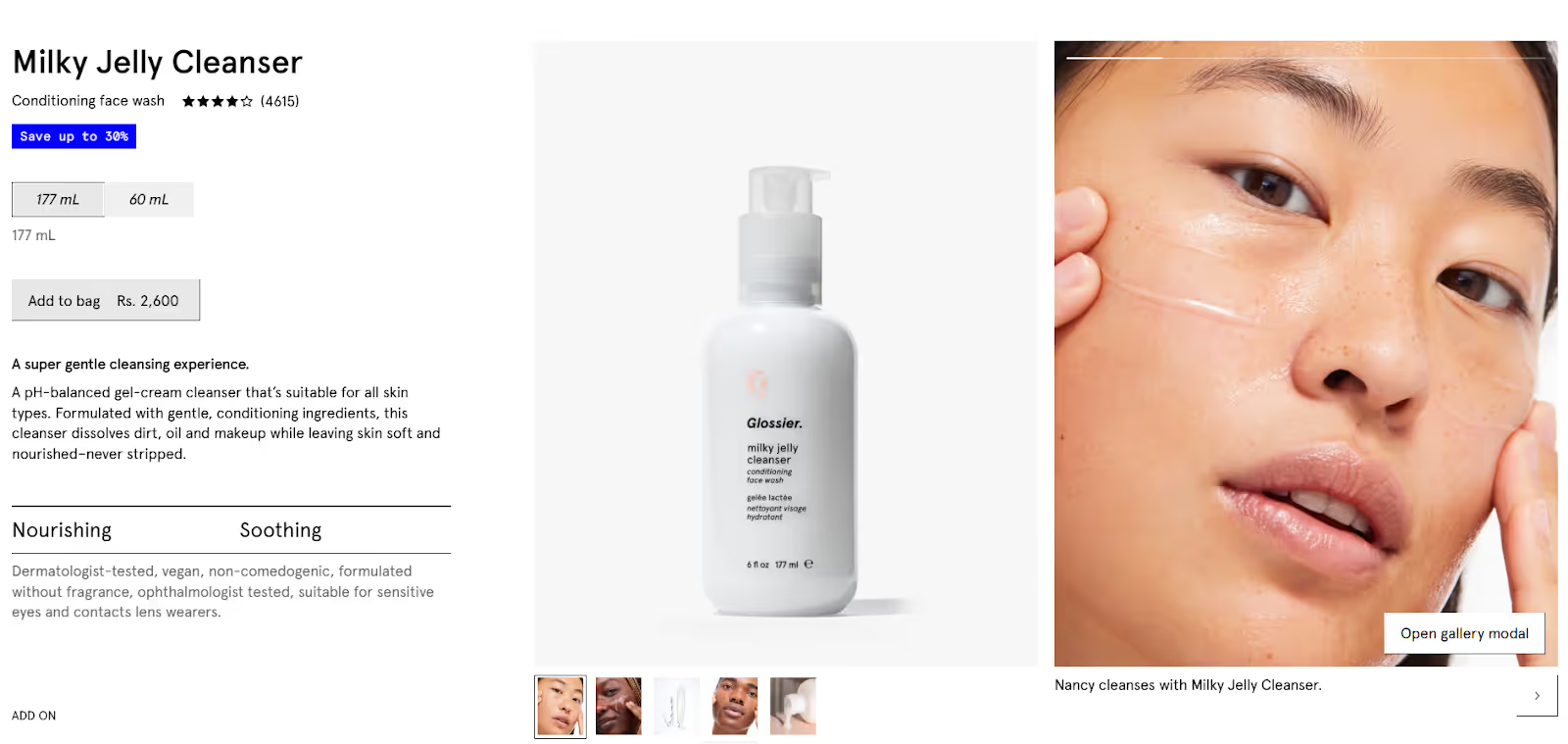
Glossier masters sensory storytelling with their Milky Jelly Cleanser description. They describe how the product offers a creamy gel face wash that's gentle yet effective for removing makeup and cleansing skin. The product name itself—"Milky Jelly"—evokes a specific texture that's simultaneously comforting and effective, helping customers immediately understand the sensory experience. Their description emphasizes transformation: how the cleanser works on both wet and dry skin, creating a versatile, sensory-rich cleansing ritual that customers can visualize before purchasing.
3. Speak to Your Specific Audience
Your tone and language should resonate with your target demographic. Descriptions aimed at teenagers should be playful and fun, while descriptions for luxury skincare products should be elegant and refined.
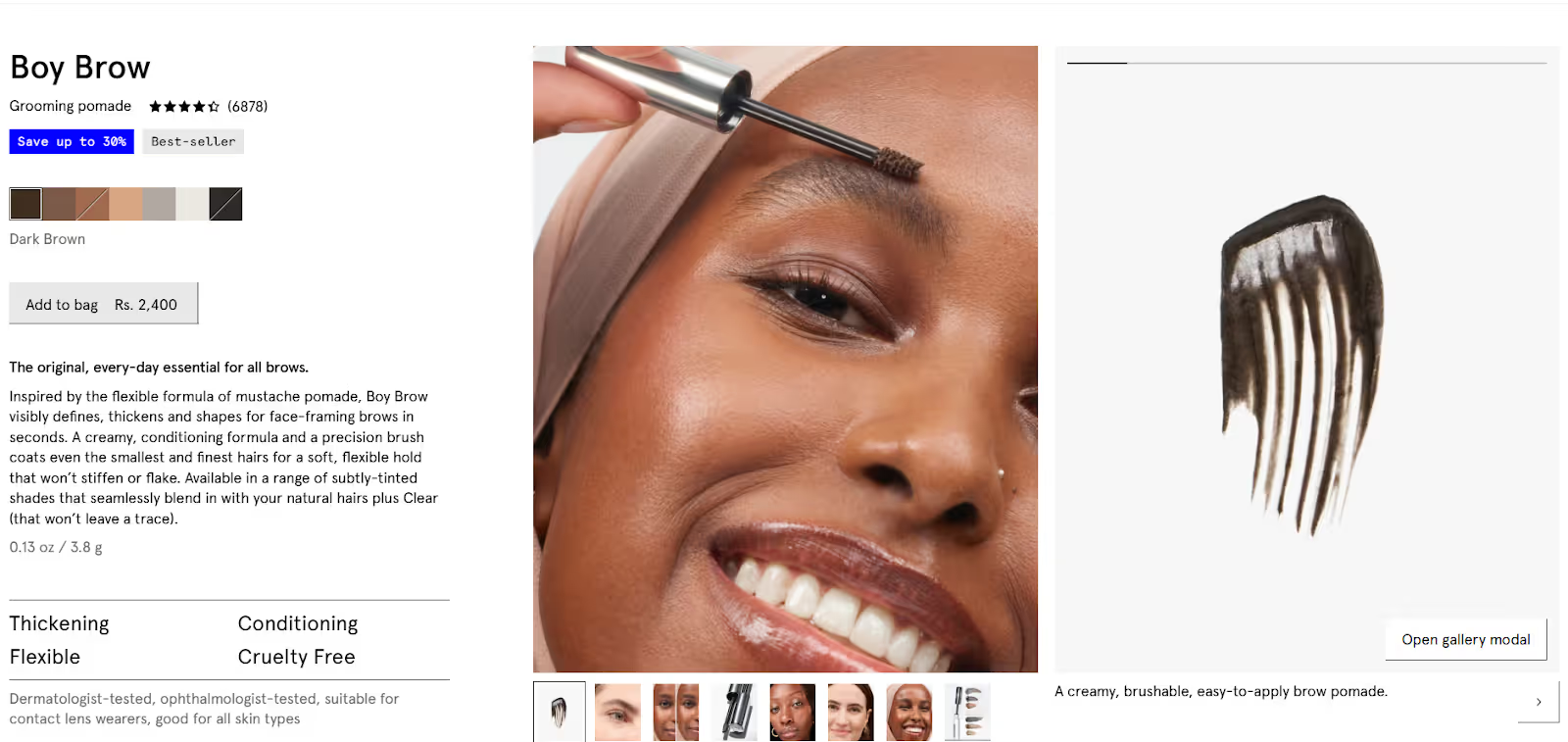
For their millennial and Gen-Z audience, Glossier uses conversational, relatable language: "Boy Brow is a volumizing gel-pomade that quickly and visibly thickens, conditions, and grooms brows into place—without stiffening or flaking." The product name itself ("Boy Brow") references effortless, natural brow looks inspired by men's grooming, speaking directly to their audience's aesthetic preferences for minimal, natural-looking makeup.
4. Use Social Proof & Trust Signals
Shoppers want validation that a product works before committing to a purchase. Social proof — reviews, star ratings, testimonials, dermatologist recommendations, awards, and user-generated content — reassures customers and reduces hesitation. For higher-priced or high-investment products, social proof can be a decisive factor.
Paula’s Choice 2% BHA Liquid Exfoliant
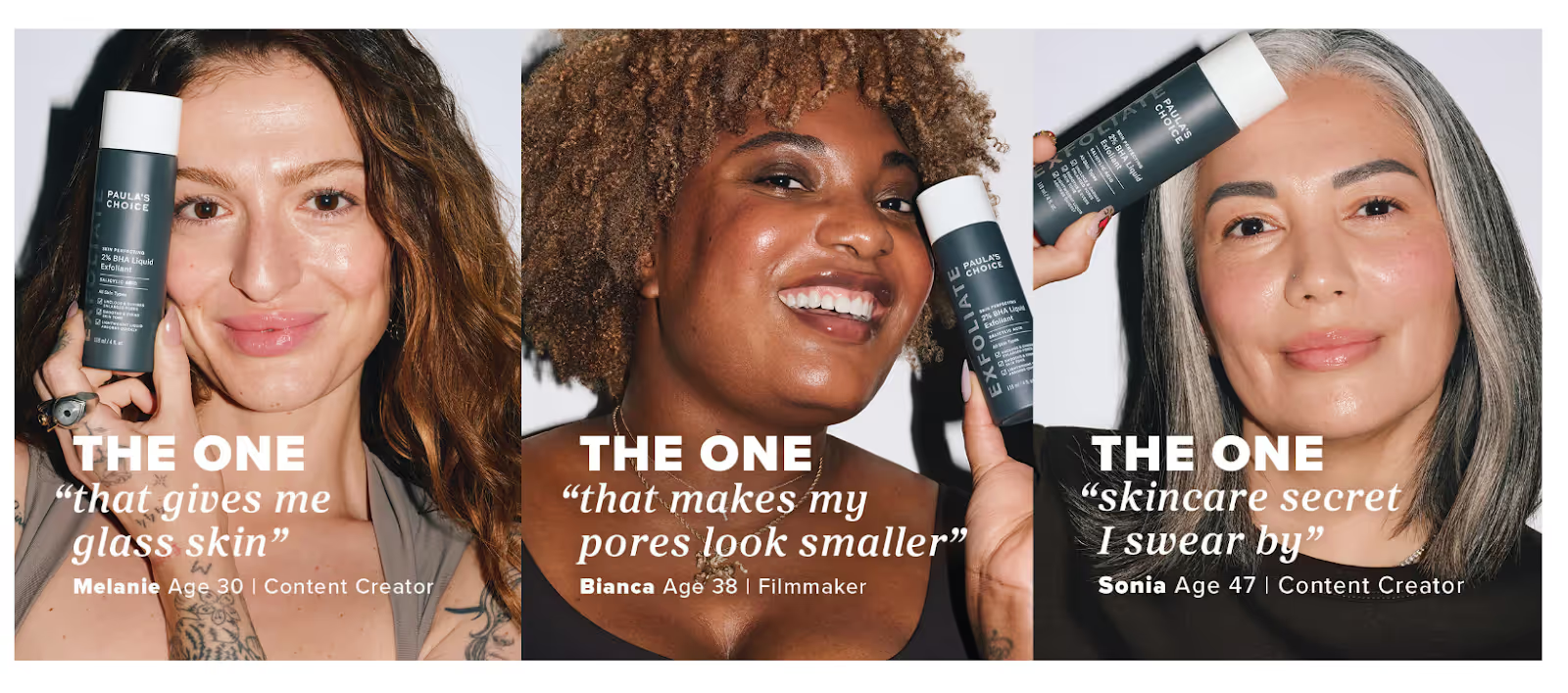
Paula’s Choice emphasizes both clarity and credibility:
"Unclogs pores, smooths texture, brightens tone." The product page also features reviews, star ratings, and verified customer feedback, which helps shoppers trust that the exfoliant delivers on its promises.
Scaling Product Description Creation with AI
Creating high-quality, optimised skincare and beauty product descriptions at scale presents a significant challenge for growing eCommerce brands. Writing unique, compelling copy that balances SEO requirements, ingredient transparency, emotional storytelling, and brand voice consistency across hundreds or thousands of products requires substantial time and resources.
This is where AI agents are transforming the beauty eCommerce market. Unlike basic content generation tools, AI agents can understand your brand voice, target audience preferences, and product specifications to generate optimized descriptions that convert.
At Yarnit, we’ve learned that skincare and beauty product descriptions need to evolve as quickly as customer preferences do. That’s why we built our agentic AI workflow to work more like a content strategist than a copy generator. When we create skincare and beauty product descriptions, we first understand the product attributes, the brand’s voice, and the real search intent behind what shoppers are looking for. The result is PDPs that feel persuasive, credible, and aligned with how beauty consumers actually make decisions.
One of the biggest advantages for beauty brands is how consistently Yarnit can maintain tone across every SKU. Whether it’s a peptide serum, a retinol night cream, or a hydrating toner, our Brand Brain keeps the brand voice intact without sounding repetitive.
What makes this especially powerful is Yarnit's agentic intelligence capabilities. It continuously analyses competitor PDPs, identifies content gaps, and refine your descriptions so you’re never saying less than your closest rivals. As trends shift, from new ingredients to seasonal skin concerns, we update your PDPs so they stay relevant and competitive.
Start by auditing your current product descriptions against the framework outlined in this guide. Identify gaps, implement improvements systematically, and continuously test to optimize performance. Your product descriptions are working 24/7 to convert browsers into buyers, make sure they're equipped to succeed.