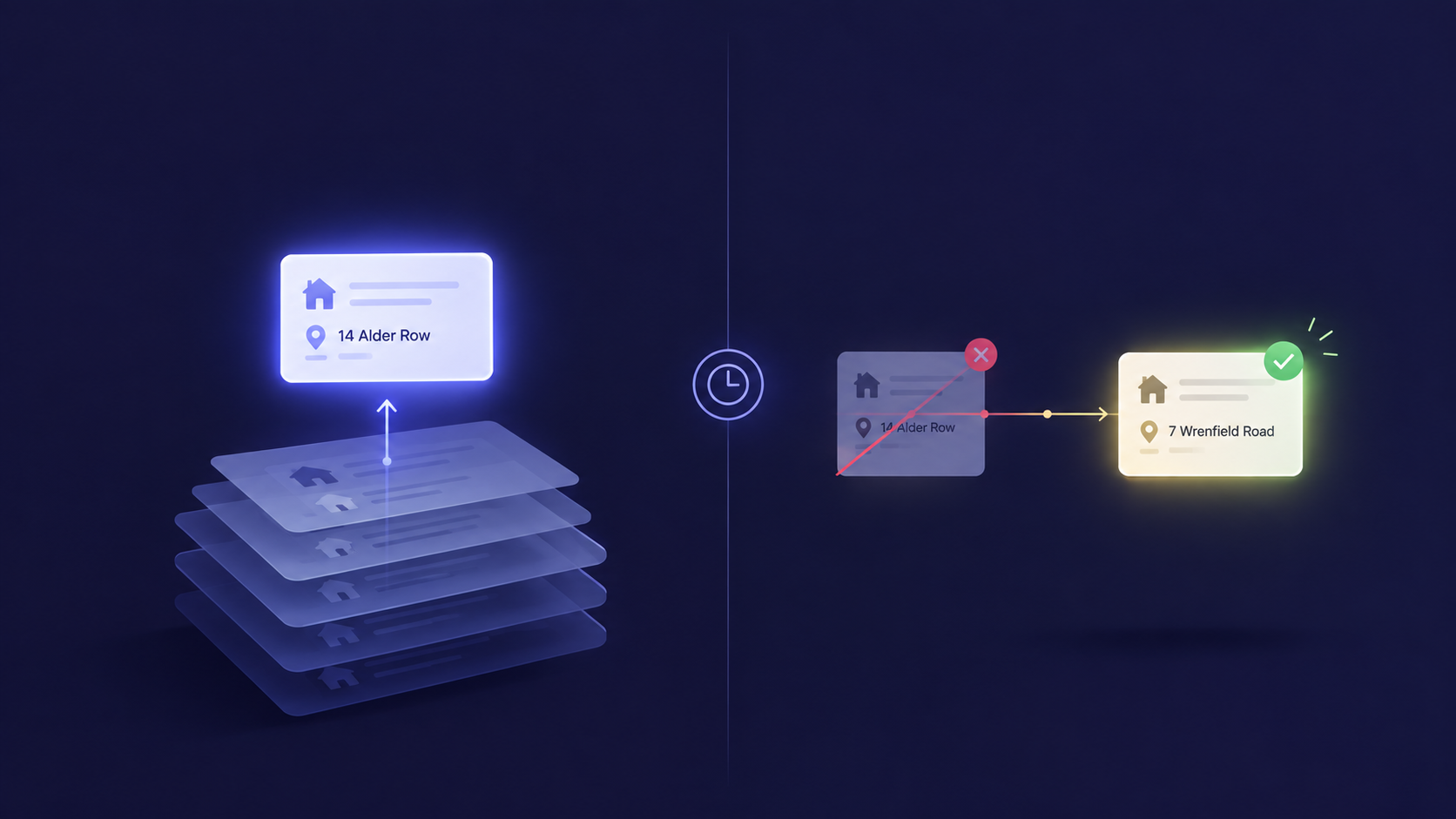
On a late Saturday night, a customer checks your D2C clothing brand’s website for their order status. They’re excited but anxious, wondering if their order will arrive on time for an event. They ask your chat widget for an update but get no response since customer support is offline until Monday. This is a missed opportunity that brands can capitalize on to build more value with their existing customers.
Now, for a small D2C brand, 24x7 live support might not be on priority and maybe not even realistic. But what if that wasn’t a deal-breaker? What if, instead your customer was met by an intelligent personal shopper, one that not only reassures them about delivery but even offers a small discount for the wait? That kind of thoughtful gesture builds loyalty and increases the chance they’ll shop again.
This is where agentic AI steps in. Unlike conventional chatbots or fragmented automation, agentic AI acts like a smart teammate that understands your customer context, learns from their interactions, and autonomously manages workflows, from support to upselling, so your brand can focus on what it does best: delighting customers.
Let’s break down the real, daily challenges D2C brands face and how agentic AI can transform them from stress points into strengths. You’ll see the clear difference between what you’re dealing with now and what your brand could be.
Agentic AI Workflows Helping D2C Brands
1. Real-Time Personalized Customer Support
The Problem: Many D2C brands struggle to maintain consistent and high-quality customer support due to a flood of repetitive questions about product sizing, delivery timelines, and returns. These routine queries often overwhelm lean support teams, leading to burnout and slower responses for more complex issues. The challenge intensifies because customers shop around the clock while human support remains limited to business hours, creating moments of frustration and potential cart abandonment.
Here’s how Sephora is using AI:
Sephora’s AI-powered chatbot delivers personalized support by understanding natural language and customer context across platforms like mobile apps, websites, and social media. It handles queries about product recommendations, foundation shade matching, skincare advice, and order tracking through conversational interactions that ask follow-up questions to refine suggestions. The chatbot links users to educational content like tutorials and videos, improving the shopping experience. It escalates complex issues to human agents with full context. This AI assistant helps Sephora deliver fast, personalized, and scalable customer support that boosts satisfaction and retention.
2. Dynamic Marketing Campaign Orchestration and Optimization
The Problem: Many D2C brands struggle with the complexity of running marketing campaigns across multiple platforms like Facebook, Instagram, Google, and TikTok. Fragmented execution makes coordination difficult and slows down the ability to adjust campaigns in real time. When marketing teams rely on manual processes, they often miss opportunities to react quickly to shifts in customer behavior, competitor actions, or algorithm updates. This lag not only hurts performance but can also lead to inefficient budget allocation and weaker ROI.
Here’s how Coca Cola is using AI:
Coca-Cola uses AI and real-time data to deliver personalized, highly targeted campaigns across multiple channels. Rather than relying on static ads, Coca-Cola continuously analyzes consumer behavior, location, weather, and trending topics to dynamically adapt its digital advertising. For example, their billboards change messaging and visuals based on local weather (promoting ice-cold drinks on hot days) or current events (like sports celebrations), ensuring highly relevant and timely content.
This data-driven strategy extends to social media and influencer marketing, where Coca-Cola segments audiences by lifestyle and mood rather than just demographics.
3. Automated SEO-Optimized Product Content and Catalog Management
The Problem: Managing product content across channels is time-intensive and often fragmented. Teams spend countless hours editing product titles, descriptions, metadata, and images manually, leading to delays and higher chances of error. When updates are slow or inconsistent, brands risk dropping in search rankings and losing organic traffic. Disconnected workflows also create inconsistencies in tone, presentation, and messaging across platforms, which erodes brand trust and confuses potential buyers.
Here’s how Glossier is using AI:
Glossier uses AI in innovative ways to enhance product demonstrations and customer engagement. For example, in their “Glossier Glow” and “Glossier Play” campaigns, AI-powered experiences allow customers to interact with products through immersive digital demos. These demos use AI to personalize interactions based on user behavior and preferences, making the experience feel tailored and engaging. Glossier also uses AI-driven influencer marketing by focusing on authentic partnerships with micro- and nano-influencers who have smaller but highly engaged and relevant audiences. Its AI tools analyze influencer audience demographics, engagement patterns, and content quality to identify those who align closely with the brand’s values and target customers.
4. Product Photography Optimization
The Problem: Traditional product photography remains one of the most resource-heavy aspects of D2C operations. Coordinating professional photoshoots is expensive, time-consuming, and difficult to scale for large or frequently updated catalogs. Manual editing often produces uneven image quality across platforms, lowering overall brand appeal. On top of that, adapting visuals to fit seasonal campaigns or multiple platform specifications adds yet another layer of manual work, slowing down go-to-market speed.
Here’s how Levi uses AI:
Levi’s is a real-world example of a D2C brand using AI for product photography optimization. They have introduced AI-generated models representing diverse body types, ages, sizes, and skin tones. This allows Levi’s to produce expansive and inclusive visual content more quickly and efficiently than relying solely on human models, addressing the high cost and logistical challenges of traditional photoshoots. While human models remain essential, Levi’s uses AI to complement and scale their catalog imagery, offering customers a personalized and inclusive shopping experience. AI also helps automate image editing tasks, background removal, color correction, and consistent styling, significantly reducing manual workloads and enhancing visual consistency across platforms.
Your Brand’s Path Forward
Agentic AI workflows empower you to reclaim your time, reduce operational stress, and build deeply personalized customer journeys at scale. With Yarnit ecommerce, these sophisticated workflows are accessible within a single platform tightly integrated with major selling channels like Shopify. It orchestrates multiple AI agents specialized in SEO, creative content, market research, and campaign optimization to handle complex workflows autonomously.
Key features include smart product detail page (PDP) optimization with real-time SEO and competitive analysis, automated generation of brand-aligned copy and lifestyle creatives, continuous campaign adjustments across social and ad channels, and synchronized content publishing across multiple ecommerce stores. Yarnit’s contextual intelligence ensures all content is accurate and consistent with your brand voice and compliance needs.



.avif)

%20(1).png)