.avif)
If you manage an online store, you already know the grind. Updating product details late at night, replying to the same customer questions over and over, and manually checking stock. It’s exhausting. AI in ecommerce changes that dynamic completely. It handles those repetitive tasks, so you don't have to, helping customers find what they need instantly, turning casual browsers into loyal customers who keep coming back.
AI and e-commerce tools aren't just for the future—they're transforming stores like yours right now. You adapt faster to trends, your team gets to focus on big-picture growth instead of busywork, and every shopper gets an experience that feels personal.
Your customers are ready for this, too. As per Zendesk, 59% expect AI to change how they shop very soon. AI in ecommerce makes the whole shopping trip smoother. AI in ecommerce systems anticipates customer needs before they even search and adjusts offers in real time. Let’s explore how agentic AI enhances customer experience.
Why Agentic AI Matters for Ecommerce
Customers abandon carts when experiences feel generic. Agentic AI changes that by making every interaction feel personal and proactive—directly driving revenue.
Key Impacts:
- Faster Sales: Unlike basic AI chatbots, agentic AI gives clear size guidance, relevant suggestions, and quick answers—reducing hesitation at checkout.
- Higher Order Values: AI recommendations are based on real behaviour and context, so shoppers add complementary items instead of dropping off.
- Fewer Returns: AI proactive updates and clearer information lower "this isn't what I expected" moments after delivery.
These results add up. 90% of marketers confirm personalization like this directly drives higher profits. Loyal customers spend more over time.
Ready to turn agentic AI into ecommerce revenue? This AI agent readiness guide delivers your roadmap.
How Agentic AI in E-commerce Enhances Shopper Journeys
Let's discover how Agentic AI boosts customer experience from the initial product search to lasting customer loyalty.
Pre-Sales: Smart Discovery & Content That Actually Sells
Before a shopper even adds an item to their cart, the right foundation is critical. Here is how AI in ecommerce solves product visibility challenges:
- SEO-optimized product cataloging: AI helps structure product catalogs so they are easier for search engines to index and simpler for customers to understand. Descriptions can adapt based on buyer priorities, such as comfort, durability, or usage context. Integration with platforms like Amazon and Shopify helps maintain consistency without constant manual updates.
- Visual content: AI-assisted creative tools place products in realistic settings, helping shoppers visualize use cases more clearly than static studio images alone.
- Conversational product discovery: Instead of using filters or codes, customers can ask natural questions like “waterproof hiking gear” and receive immediate answers on fit, care, and suitability.
.avif)
During Sales: Conversations That Convert
Here is exactly how AI agents work in the background to close deals for you:
- Smarter Campaigns: AI tracks browsing in real time to swap generic ads for relevant content. If a shopper views coats, they see styling tips instantly. The message adapts to their exact interest, right when it matters.
- Active Sales Help: AI agents spot hesitation—like hovering over the "close" button. They intervene immediately with a size guide, a discount, or reassurance to save the sale. Upsells appear naturally based on what is already in the cart.
- Instant Fixes: AI links to your systems to solve payment or shipping errors on the spot. It explains issues instantly and remembers context, so customers never repeat themselves. Complex problems get escalated only when necessary.
Post-Sales: Keeping the Relationship Going
AI agents ensure the relationship with your customers doesn't end at checkout by enabling:
- Providing relevant follow-ups: Customers receive care instructions or usage tips specific to their purchase rather than generic emails.
- Offering proactive support: AI monitors deliveries and alerts customers to delays before frustration builds. Returns and exchanges are handled through simple, guided conversations.
- Supporting future discovery: Purchase history informs future recommendations, making follow-up interactions more useful and timely.
Walmart’s Sparky: A Real-World Example of Agentic AI in Action
Walmart is showing the way forward with its generative AI-powered shopping assistant, Sparky. Available through the Walmart app as the 'Ask Sparky' button, this agent helps shoppers find products, compare options, synthesize reviews, and get smart recommendations tailored to any occasion.
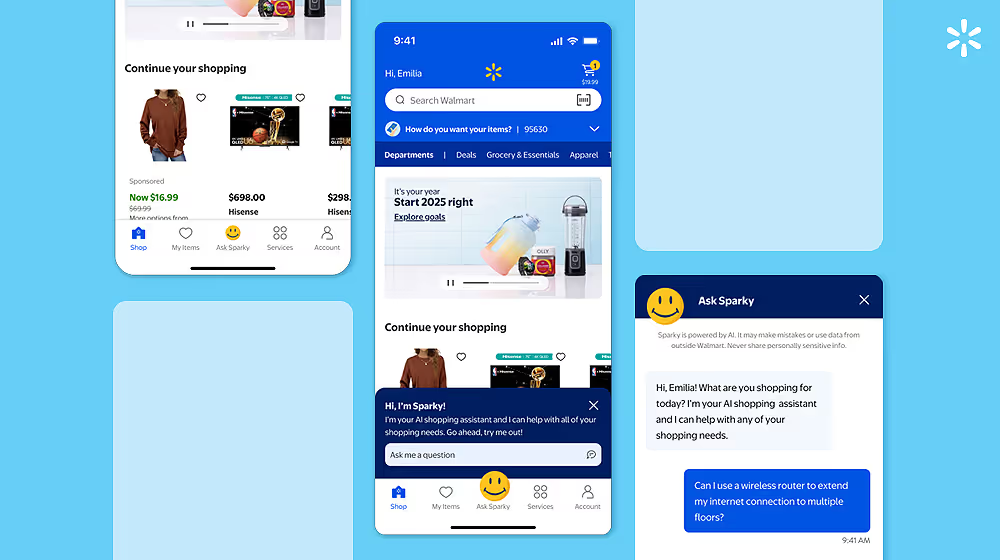
Whether a customer asks about sports teams playing that night or seeks a weather-appropriate outfit for the beach, Sparky delivers context-rich, comprehensive answers. It acts as a proactive and interactive guide—from product questions to making confident purchase decisions.
Whether customers ask about sports events or weather-appropriate outfits, Sparky responds with context-aware guidance that supports confident decisions. Walmart plans to expand capabilities further with voice and image inputs, demonstrating how AI e-commerce systems move retail from reactive browsing to guided shopping.
Enhancing Customer Journeys with AI in Ecommerce
Agentic AI is shaping how e-commerce teams design and manage customer journeys. By responding to intent and context in real time, AI-powered agents help reduce friction that affects both conversions and retention.
Tools like Yarnit support this approach by enabling teams to create SEO-aligned product content that stays consistent with brand voice while adapting to market trends. Visual workflows help turn product images into contextual creatives, and SEO-focused processes support targeted campaigns across channels. Used thoughtfully, these tools help teams scale without increasing manual workload.
Rather than replacing human decision-making, agentic AI supports it—allowing teams to focus on strategy while systems handle repetitive or time-sensitive interactions.