AI Insights
Agent Memory Has Outgrown Retrieval
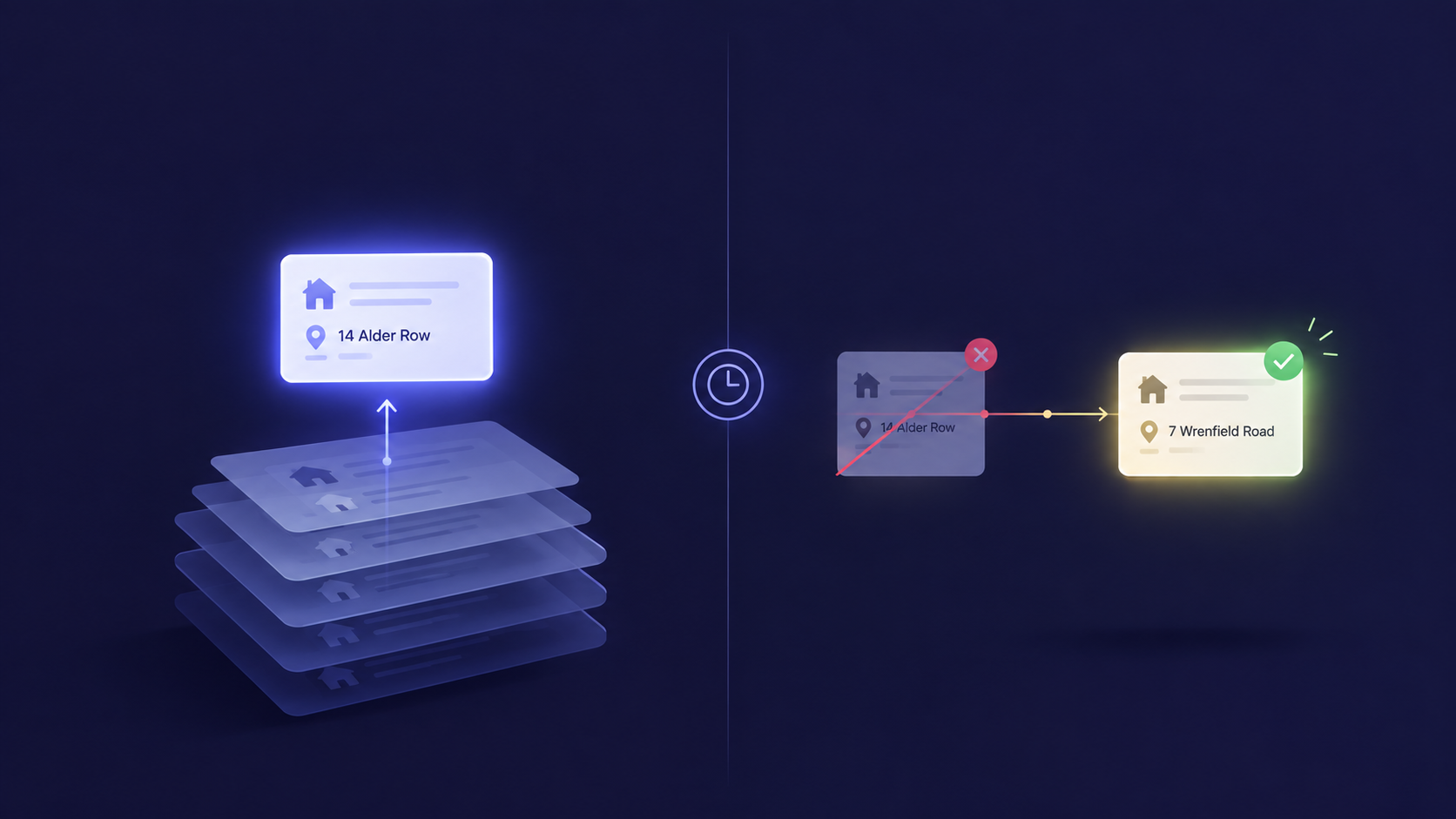
Most AI memory systems can find relevant past information but can't tell if it's still true, so agents act on stale data that was technically "retrieved correctly."
September 17, 2026
We spent 2025 watching what actually moved in LinkedIn marketing.



For a platform that’s been the same for so many years, a lot changed on LinkedIn in 2025.
If you logged in at the start of the year and then again in December, you'd barely recognize the same platform. The feed moved faster. Video was everywhere. And suddenly, every post that sounded like it came from a corporate communications department got buried while authentic, sometimes rough-around-the-edges content from real people rose to the top.
Savvy social media marketers know that the platform made dozens of algorithm updates throughout the year, expanded targeting through third-party integrations, and watched short-form video explode in ways that caught seasoned content teams off guard.
Over the course of the year, the “Facebook for professionals” has grown into a genuine marketing channel for B2B, not just a place to post job updates and congratulate connections on work anniversaries. There’s a new challenge now: everyone figured this out at the same time. Your feed is more crowded than ever, and the content bar keeps rising. What worked six months ago might barely get impressions today.
We spent 2025 watching what actually moved the needle, not what marketing blogs said should work, but what the data showed was working. Now we're seeing early signals for 2026, and some of them will surprise you.
Certain tactics consistently delivered results in 2025. Not because they were clever tricks, but because they aligned with how LinkedIn's algorithm distributes content and how busy professionals actually engage when scrolling between meetings.
The lead magnet approach proved itself again in 2025. You've seen these posts—someone offers a guide, template, or resource, and asks you to comment with a keyword to receive it. Simple formula, but it worked on multiple levels: the algorithm saw engagement spike, which pushed the post to more feeds. Meanwhile, the poster expanded their network with people who actually wanted what they were offering.
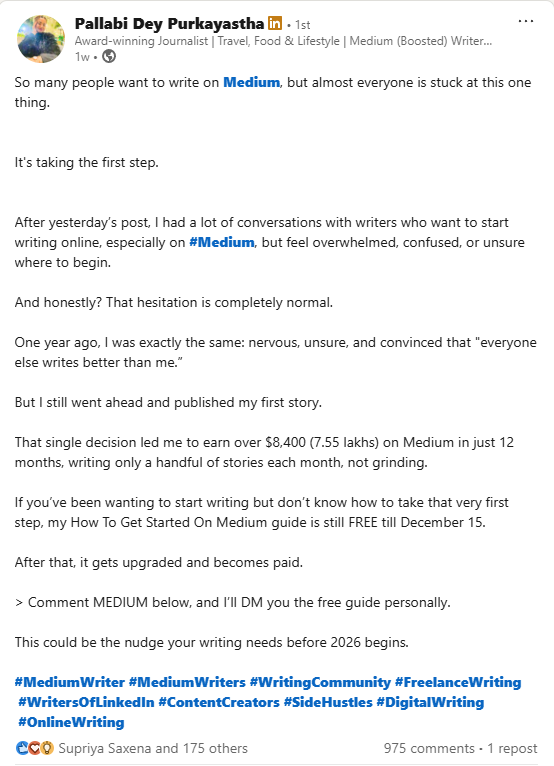
Take this post for example. Even with less than 200 reactions, it has almost 1000 comments, with most of them being the keyword. This also helps the poster build their network, not just create a single viral post, as the secret trick is that people have to be connected on LinkedIn to be able to send a DM.
Another plus: everything stayed inside LinkedIn. No forms, no landing pages, no friction. Just immediate value in exchange for a comment and a connection request. That directness made the difference.
Real photos beat polished stock images every time in 2025. Even basic selfies outperformed those generic corporate shots of diverse people pointing at laptops. People scroll past ads all day—they've trained themselves to ignore anything that looks manufactured.
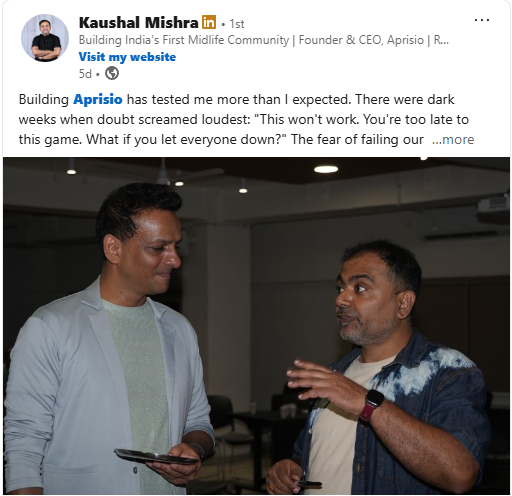
What caught attention? Actual humans. The executive who posted a photo from their home office with their dog in the background. The marketer who shared a whiteboard sketch from a strategy session. Authenticity wasn't just a buzzword; it became the price of entry for getting anyone to stop scrolling.
Posts with external links saw up to 50% less reach than native content in 2025. LinkedIn's algorithm, like every other platform, wants to keep users on LinkedIn. When you push people away to your blog or website, the algorithm responds by showing your post to fewer people.
Smart marketers adapted quickly, they put links in the first comment instead of the main post. Even better, they started repurposing external content into native LinkedIn formats like carousels or text posts. The message got through without the algorithmic penalty.
Around mid-2025, the feed became saturated with AI-generated content that all started sounding identical. Same sentence structures, same transitions, same vague enthusiasm about "game-changing strategies" and "powerful insights." Users noticed the sameness and stopped engaging.
What started getting traction instead were posts that felt like an actual person wrote them, even if they weren't perfectly structured or grammatically flawless. A founder sharing what went wrong in a product launch. An employee telling a specific story about solving a customer problem. The algorithm evolved to detect generic AI writing and started demoting it while pushing content that demonstrated real expertise and genuine perspective.
Analysis of 1 million posts across 9,000 company pages showed carousels and document uploads generated the highest average engagement—around 6-6.5%. Another study found carousels get 5x more clicks than any other post format.
The reason makes sense: carousels deliver value inside the feed. Users swipe through multiple insights without leaving LinkedIn, and that dwell time signals to the algorithm that this is high-quality content worth distributing widely. A well-designed carousel essentially forces people to spend 30-60 seconds with your content, which is an eternity in social media time.
LinkedIn comments increased 37% year-over-year in 2025. The algorithm shifted priorities—it started valuing meaningful interactions over quick emoji reactions. A post with 20 thoughtful comments and real back-and-forth discussion now outperforms posts with 200 quick likes.
Recent studies suggest comments carry approximately 8x more influence on distribution than likes. The algorithm tracks how long users spend reading comment threads and whether they jump in to reply. Posts that spark genuine discussion get pushed to more feeds because they're keeping people engaged on the platform.
Based on platform updates, performance data, and emerging patterns in user behavior, these trends will define success in 2026:
Video views on LinkedIn grew 36% year-over-year in 2025, and video creation is growing 2x faster than all other post types. LinkedIn responded by building out their video infrastructure:
They added a "Videos For You" section with personalized recommendations you can scroll horizontally. Full-screen video mode on mobile creates an immersive viewing experience. Direct CapCut integration lets you edit and publish without leaving the platform. Video content now appears more prominently in search results.
Native videos under 90 seconds with captions and a strong hook in the first 3 seconds deliver approximately 5.5% engagement rates. Hootsuite's data confirms video achieves the highest engagement rate among all content types on LinkedIn.
LinkedIn will push video even harder in 2026 as they compete with TikTok-style consumption habits. The platform wants to become a destination for quick, valuable video content, not just text posts.
LinkedIn deployed AI systems that scan every post before it hits the feed. The algorithm now actively searches for original ideas and perspectives, real expertise drawn from experience, actual human voice and storytelling, and content that follows community guidelines.
What gets demoted: low-effort writing, AI-generic content lacking personal perspective, duplicate or plagiarized material, and posts providing no real value.
This trend will intensify in 2026. The platform is responding directly to user complaints about feed quality. Brands that invest in authentic expertise and original thinking will gain reach. Those pumping out generic AI content will watch their impressions continue declining.
Authentic human stories will accelerate in 2026. Image-driven posts featuring real people sharing genuine experiences, challenges, and lessons learned will increasingly outperform corporate announcements and product pitches.
This connects to broader movements across social media toward authenticity and away from influencer culture. Professionals want connection and learning, not constant sales pitches. Posts leading with personal photos and narratives centered on actual human experiences will continue earning higher engagement and trust.
LinkedIn rebranded and expanded its Wire Program into BrandLink, allowing marketers to place in-stream video ads before trusted publisher content, plus top creator videos from names like Steven Bartlett, Rebecca Minkoff, and Gary Vaynerchuk.
For the first time, LinkedIn is sharing ad revenue with creators, marking a significant move toward creator monetization. BrandLink will become a cornerstone of video advertising strategies in 2026, especially for brands looking to reach audiences through trusted voices rather than traditional ad units.
LinkedIn rolled out a suite of Campaign Manager upgrades that give marketers unprecedented control and forecasting ability.
Marketing Overview provides a full account-level snapshot across all campaigns. Media Planner lets you forecast reach, impressions, and average frequency before launching, helping estimate ROI upfront. Dynamic UTMs automate consistent UTM generation across campaigns. Measurement Insights offers a deeper, journey-level analytics dashboard.
Campaign Performance Digest delivers AI-powered actionable insights and benchmarks. Live Event Ads capabilities include Thought Leader ads for events, 30-second sneak-peek videos, and regional targeting. Accelerate AI campaigns now support expanded objectives including brand awareness, engagement, website conversions, and video views.
These tools transform LinkedIn advertising from spray-and-pray into precision-targeted campaigns with predictable outcomes. Marketers who master these features in 2026 will dramatically improve their cost per lead and conversion rates.
LinkedIn's data shows employee-shared posts get approximately 2x more engagement than company updates. Employees' combined networks are roughly 10x larger than a brand page's follower count.
The introduction of Thought Leader ads—which let you promote posts from personal profiles through paid campaigns—bridges the gap between authentic employee advocacy and paid reach. Early adoption shows this format maintains the trust of human voice while gaining the precision of targeted advertising.
Successful brands in 2026 will build systematic employee advocacy programs. Start with leadership visibility and executive posting. Provide simple resource banks with prompts and graphics. Train teams on effective posting techniques. Use Thought Leader ads to amplify high-performing employee content. Track and recognize internal results.
Employee advocacy has become the fastest path to multiplying your brand's reach and credibility on LinkedIn. It's no longer a nice-to-have program you might test someday.
LinkedIn marketing in 2026 requires rethinking how you approach the platform. Here's your action plan:
Embrace Authenticity Over Polish: Perfectly crafted corporate messaging doesn't work anymore. Lean into real stories, human perspectives, and genuine expertise. Let your content feel human, even if that means it's a bit rough around the edges. The algorithm and your audience will reward you for it.
Go All-In on Video: With video views up 36% and growing 2× faster than other formats, video is no longer experimental—it's essential. Create short, native videos under 90 seconds with captions and strong hooks. Use LinkedIn's new full-screen mode and expanded search visibility to your advantage.
Design for Conversations, Not Broadcasts: Every post should invite engagement. End with questions, ask for experiences, or present perspectives that spark discussion. Remember: comments are worth 8× more than likes for algorithmic reach. Reply quickly to keep threads alive and extend your post's visibility.
Master the New Ad Tools: LinkedIn's upgraded Campaign Manager features give you forecasting, journey-level analytics, and AI-powered insights. Use the Media Planner to estimate ROI before launching campaigns. Test BrandLink video ads for top-of-funnel awareness. Deploy Thought Leader ads to amplify your executives and employees. Build full-funnel systems that nurture leads from awareness through conversion.
Build Systematic Employee Advocacy: Your employees' networks are 10× larger than your company page. Their posts get 2× more engagement. Make employee advocacy a system, not a request. Provide training, resources, and recognition. Amplify their best content with Thought Leader ads.
Optimize for the Algorithm: Use 3-5 relevant hashtags per post. Keep external links in the first comment, not the post body. Post 3-5 times per week, primarily Tuesday through Thursday between 9am-1pm in your audience's timezone. Leave 12-18 hours between posts. Use formats that increase dwell time—carousels, documents, and video.
Measure What Matters: Track engagement rate by impressions, comment depth, share rate, and format performance. For paid campaigns, focus on CTR (aim for 0.5% or higher), conversion rate, cost per lead, and lead quality. Review performance weekly. Cut what doesn't work and double down on what does.
Integrate Inbound and Outbound: LinkedIn excels as both a content marketing platform and a targeted outreach channel. Your strategy should leverage both. Use organic content to build authority and trust. Use paid campaigns and Sales Navigator AI tools to identify and reach high-intent prospects. Together, they create a powerful engine for pipeline generation.
The platform evolves quickly. Algorithm priorities shift. New features launch regularly. User behavior changes. The brands that maintain a competitive edge are those that test constantly, adapt fast, and stay curious about what's working now—not what worked last quarter.
LinkedIn marketing in 2026 isn't about gaming the system or chasing vanity metrics. It's about providing genuine value, showing up as humans, building real relationships, and using smart systems to scale what works. The brands that embrace this approach won't just survive the increased competition—they'll thrive because of it.
Over a billion professionals with high buying power are actively engaging on this platform. They're looking for insights, solutions, and connections. Show up authentically, leverage the new tools strategically, and make 2026 the year your LinkedIn marketing truly delivers.
.avif)

From collection to clarity — we’ll help you make sense of it all.

Giving shape to intelligence