



Ever read a piece of content and instantly thought, "Yep, an AI wrote this"?
Perfect grammar. Polite tone. Zero personality. It feels like talking to someone who answers every question with a template.
That's becoming the most significant marketing problem today—not AI itself, but common AI writing taking over emails, LinkedIn posts, landing pages, and product descriptions. Audiences notice faster than we think—52% of consumers lose interest in spotting AI-generated material.
But here's the twist: people accept AI. They reject content that feels robotic. A CFO reviewing cost-saving proposals, a millennial scrolling Instagram, a repeat D2C shopper—they read differently. They don't want the same tone, emotion, structure, or pace. When brands ask, "How do we humanize AI text?", the real question is: For whom?
This blog breaks down how to humanize AI text for different segments, and how leading brands tailor their voice/tone to feel personal not programmatic.
Why Humanising Content Matters More Than Ever
Even though people are increasingly aware that AI generates marketing content, very few understand how personalization actually works. A recent finding shows that while 44% of people know AI can create ads and social posts, only 28% truly understand how their data is used to personalize it. This gap is exactly why brands must learn to humanize AI text more intentionally.
Most readers can’t explain what goes on behind the screen, but they instantly sense when content feels cold, overly optimized, or built from a template. Humanized content stands out because it aligns with how people actually read: scanning quickly, looking for clarity, empathy, emotion, and simple sense-making. When content carries these elements, it immediately feels like a marketer wrote it, not an algorithm.
Why These Brands Stand Out (and Takeaways for Marketers)
Everlane: Personal warmth through simplicity
Everlane writes captions and blogs that feel human without over-explaining or overselling. Instagram captions like “We’ll keep you warm in pieces” make their products feel approachable, while blog titles like “No fail outfits” or “The new rules of wool” offer casual guidance.
Takeaway: Speak like a human friend. Simple, direct, warm language often outperforms complex marketing jargon.
For practical tips on crafting captions that resonate and feel authentic, check out this Yarnit blog on writing viral Instagram captions.

Misfits Market: Personality makes promotions relatable
Misfits Market uses quirky, honest copy that talks directly to consumers. Even discounts feel personal: “We packed too many boxes—your lucky day!” This playful tone makes their marketing feel spontaneous and human.
Takeaway: Match your tone to your audience’s personality. Being playful and human can make even mundane offers feel exciting.

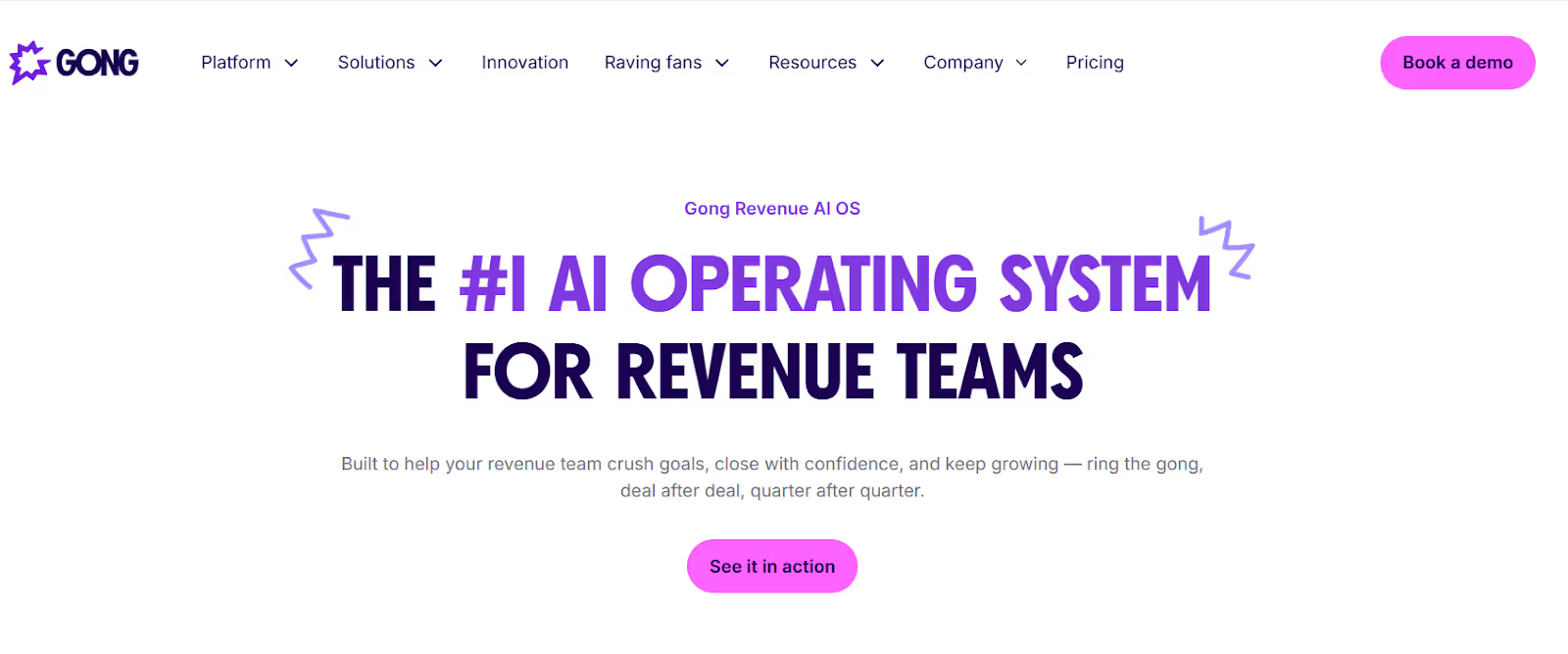
Gong: B2B that energizes with empathy and data
Gong turns data-heavy B2B communication into a motivational experience. Lines like “Kick busywork to the curb” and “Ring the gong, deal after deal” inject humor and energy. They also pair metrics with empathy—Uber’s RevOps team credits Gong with saving 6,700 hours and boosting response rates by 32%.
Takeaway: In B2B, blend authority with personality. Metrics plus a human tone build credibility and engagement.
Lenskart: Themed experiences for everyday products
Lenskart uses themes and storytelling to make standard products engaging. Harry Potter frames feature copy like “A nod to platform 9¾,” and AI-generated visuals show frames on different face types. This transforms product pages into an immersive, personalized experience.
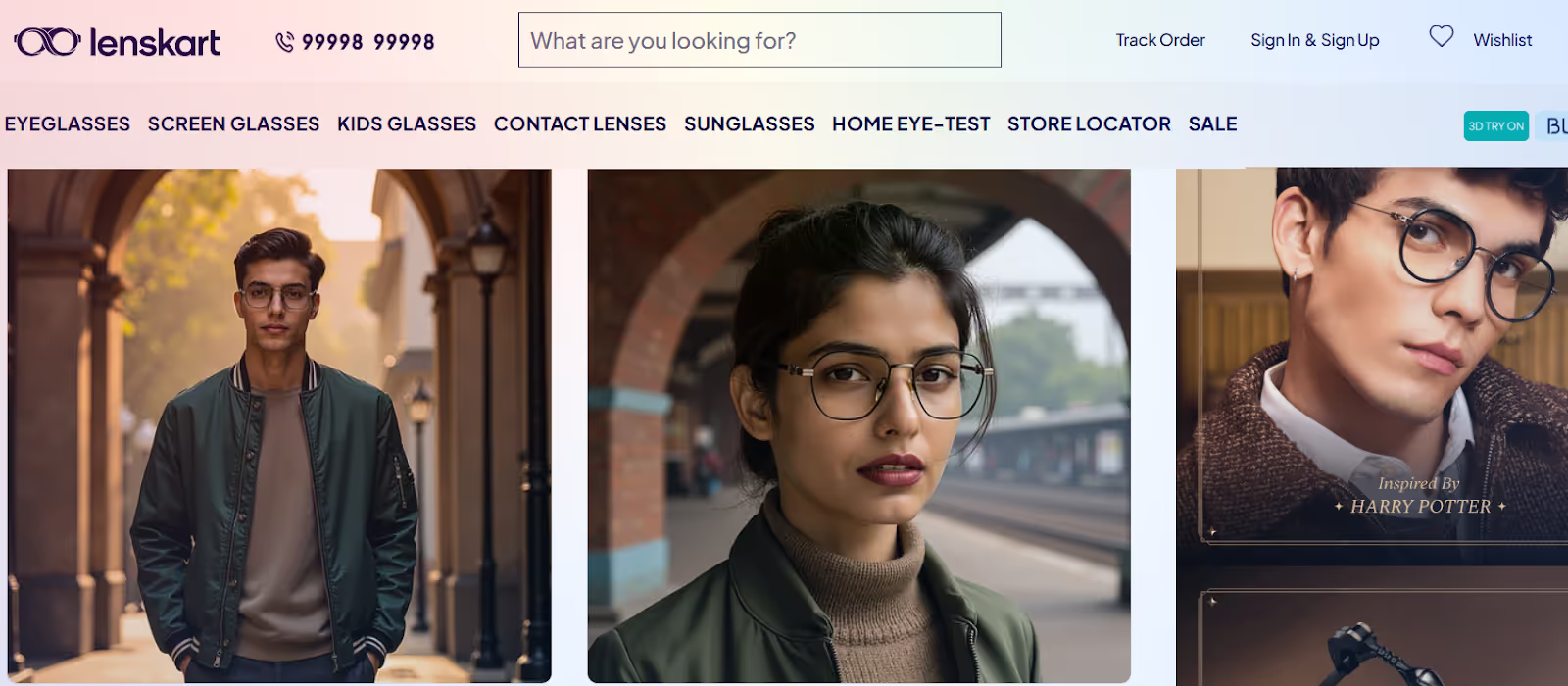
Takeaway: Use context, themes, or storytelling to make products memorable. Even functional items can feel fun and personal.
Strategies to Humanize AI Text for Different Audiences
.avif)
B2B audience:
B2B audiences are busy and skeptical. They skip posts that are abstract or over-polished—they want clarity, practical insights, and relatable examples. A typical AI-generated LinkedIn post might say:
“Leverage our innovative revenue management platform to optimize operations and achieve measurable efficiency gains across your finance teams. Experience transformative outcomes today.”
It looks professional, but decision-makers may scroll past without engaging. By humanising AI text, you can make it more relatable and actionable:
“Finance teams deal with piles of reports every week—mistakes happen. A tool that keeps everything in one place can save 30% of reporting time and reduce errors. Less chaos, more focus on what matters.”
To humanize AI content, instruct AI to focus on realistic challenges your audience faces, include generic metrics or measurable outcomes, and use active, approachable language. Avoid buzzwords, and write as if explaining to a peer.
Prompt Example:
“Rewrite this LinkedIn post as a B2B expert in [industry]. Use a professional but approachable tone. Describe a realistic challenge finance teams face, include one generic metric showing improvement, and explain the practical benefit of [product/service]. Avoid buzzwords. Make it credible and engaging for decision-makers, and align with [brand voice].”
B2C – Social Post Example
B2C consumers scroll quickly and ignore robotic or overly polished content. They respond to content that feels like a friend talking, with emotion, humor, or relatable situations. For example, AI might generate:
“Our new energy drink boosts focus and keeps you energized throughout the day. Experience the ultimate refreshment today!”
It’s correct but bland. Humanized content reads naturally:
“That 3 PM slump hits hard. Grab our energy drink and power through your day—no jitters, just focus. Perfect for meetings, workouts, or late-night deadlines.”
To humanize AI text here, ask it to write like a friend recommending something, include situational cues, and keep sentences short, conversational, and relatable. This builds an emotional connection and encourages engagement.
Prompt Example:
“Rewrite this social post as if talking to a friend. Make it casual and relatable, include a common situation or feeling [e.g., afternoon slump, busy commute], highlight one clear benefit of [product/service], avoid formal language, and make it engaging and easy to read.”
D2C – Product Page Copy Example
D2C shoppers want to see themselves using the product, not read long feature lists. AI can produce technically correct copy, but it often feels stiff or generic. For instance:
“This leather backpack offers durability, style, and multiple compartments for efficient organization. Perfect for everyday use.”
Humanised copy makes it feel lived-in:
“Carry everything you need without the bulk. This leather backpack fits your laptop, notebooks, and more while still looking sharp. Durable, stylish, and ready for your day-to-day adventures.”
To humanize AI text for D2C, guide AI to write like describing the product to a friend, focus on everyday use, highlight practical benefits, and use conversational, crisp language rather than long feature lists.
Prompt Example:
“Rewrite this product description as if telling a friend about [product]. Use a casual, friendly tone, show how it fits into everyday life, and include one or two practical benefits. Keep it relatable, concise, and engaging, and avoid formal language or long feature lists.”
Want more prompts like this? Check out this collection of 50 prompts to humanize AI content for practical, ready-to-use examples.
Scaling Humanized Content Across Audiences
Creating content that feels human at scale can seem tricky—but it doesn’t have to be. This is where Yarnit Humanizer comes in. It scans for robotic patterns in AI-generated content, adjusts tone and flow, and keeps your brand voice intact. Whether you’re writing B2B emails, D2C social posts, or landing pages, Yarnit Humanizer ensures your content feels relatable, trustworthy, and tailored to your audience.
The key takeaway is simple: people connect with humans, not machines. Brands like Everlane, Misfits Market, Gong, and Lenskart show that empathy, storytelling, and personality outperform flashy phrases or perfect grammar. With the right approach and tools like Yarnit Humanizer you can humanize AI text & scale content without losing that personal touch.
Try Yarnit Humanizer to make every piece of content feel genuinely human, even at scale.


