Who doesn't know KitKat's iconic "Have a Break, Have a KitKat" line? It's stuck in our heads for over 60 years. In 2025, Nestlé refreshed it on TikTok with the "Have a Break Remix" campaign. Fans shared quick pauses in their day — funny skits, dances, or friend moments — turning KitKat into the go-to for real-life breaks.
Today's food and beverage industry runs campaigns just like this: catchy, visual, and tied to everyday moments that spark shares and sales. Think pop culture tie-ins, app quizzes, or street stunts that feel personal and fun.
The best part? You can further streamline and enhance these with AI. It handles planning, targeting, and creation so campaigns hit harder without extra hassle. Recent reports show the AI market in food and beverage is hitting $15.36 billion in 2025, fueling marketing tools that deliver precise personalization and faster execution.
Ready to see how? Here are 7 AI content marketing strategies that work for F&B brands, with real examples and steps to apply them.
How AI Tackles Food & Beverage Marketing Challenges
Food and beverage brands deal with tight budgets, shifting tastes, content overload, and competition for attention on TikTok and Instagram. Creating fresh visuals, personalizing for local markets, or spotting trends takes time teams don't have.
AI automates content generation, analyzes consumer data for insights, personalizes at scale, and monitors performance in real time. Teams shift from repetitive tasks to strategic creativity, delivering campaigns that resonate deeply.
Seven AI Content Marketing Strategies for Food & Beverage Brands
1. Personalization at Scale
Design campaigns incorporating interactive quizzes and recommendations that adjust exactly to customer preferences, delivered seamlessly across email, app, and social platforms.
Starbucks’ “Your Perfect Brew” campaign used an app quiz to reveal each user’s “coffee personality.” Based on results, users received tailored drink recommendations, personalized discounts, and interactive content that encouraged social sharing—strengthening engagement.
AI’s Role:
AI automates segmentation using purchase and app data, creating micro-groups like "sweet tooth vegans" or "afternoon pick-me-up seekers." It then generates personalized emails, notifications, and promos in bulk and real time, saving weeks of manual work.
Pro Tip:
Begin small by targeting one segment for personalized offers, track engagement, then scale successful flows for broader reach.
2. SEO Optimization
Design content that answers natural language queries across voice assistants and LLM platforms, increasing discoverability and conversions.
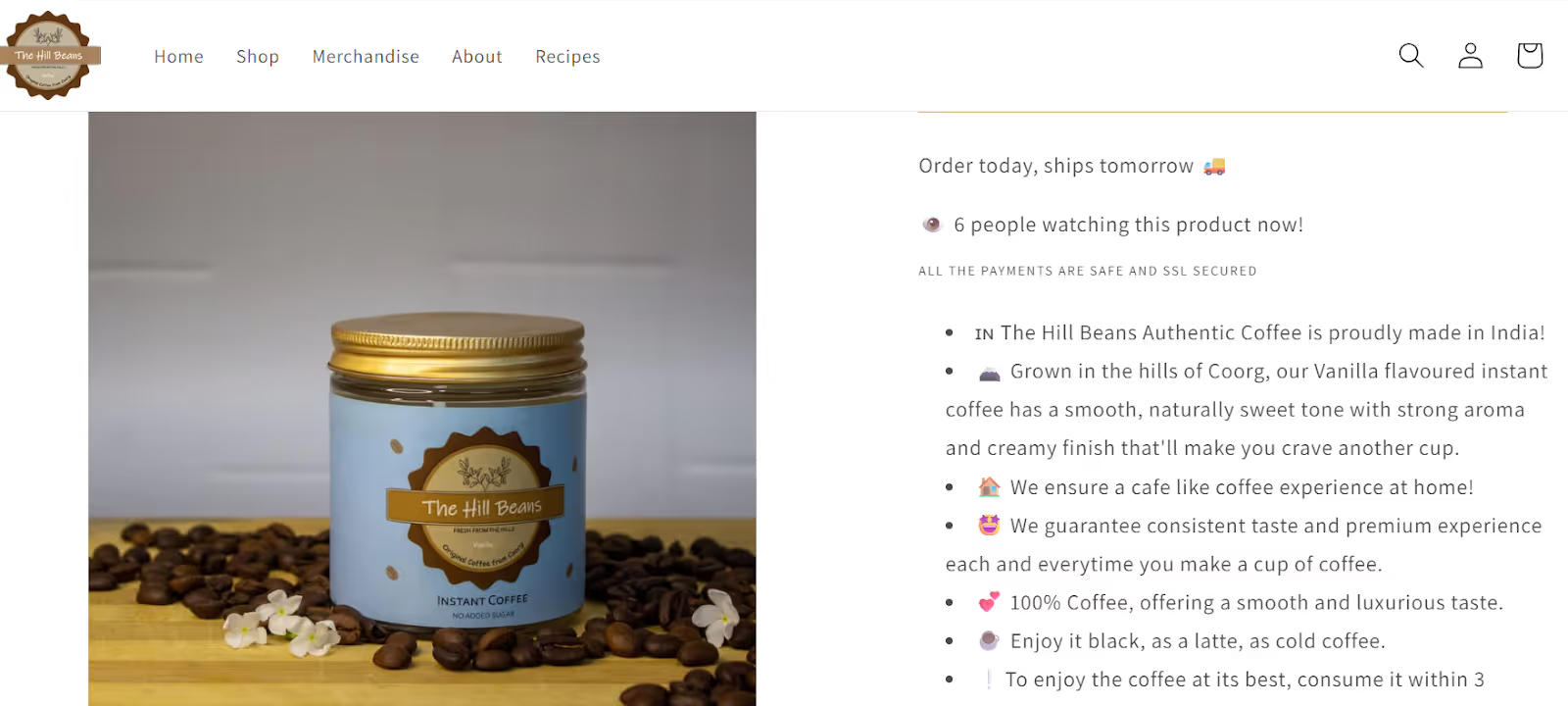
For example, when a user types “vanilla instant coffee near me” on ChatGPT or Perplexity, they instantly get product results like The Hill Beans Vanilla Instant Coffee because its page uses clear, conversational descriptors (flavour, size, price) that these systems can easily interpret.
Want to know how to optimize your content for different platforms? Check our ultimate guide to AEO, SEO, and GEO for ranking on ChatGPT, Perplexity etc.
AI’s Role:
AI identifies thousands of conversational keywords, drafts FAQ content, and structures data for voice search compatibility. Its dynamic updating keeps content aligned with shifting search behaviour across geographies.
Pro Tip:
Develop and regularly update a “voice search hub” page answering your audience’s top questions with natural, clear language.
3. Generative AI for Video & Visual Content Scaling
Develop multiple platform-specific videos and images from concise briefs, delivering eye-catching, culturally relevant campaigns.
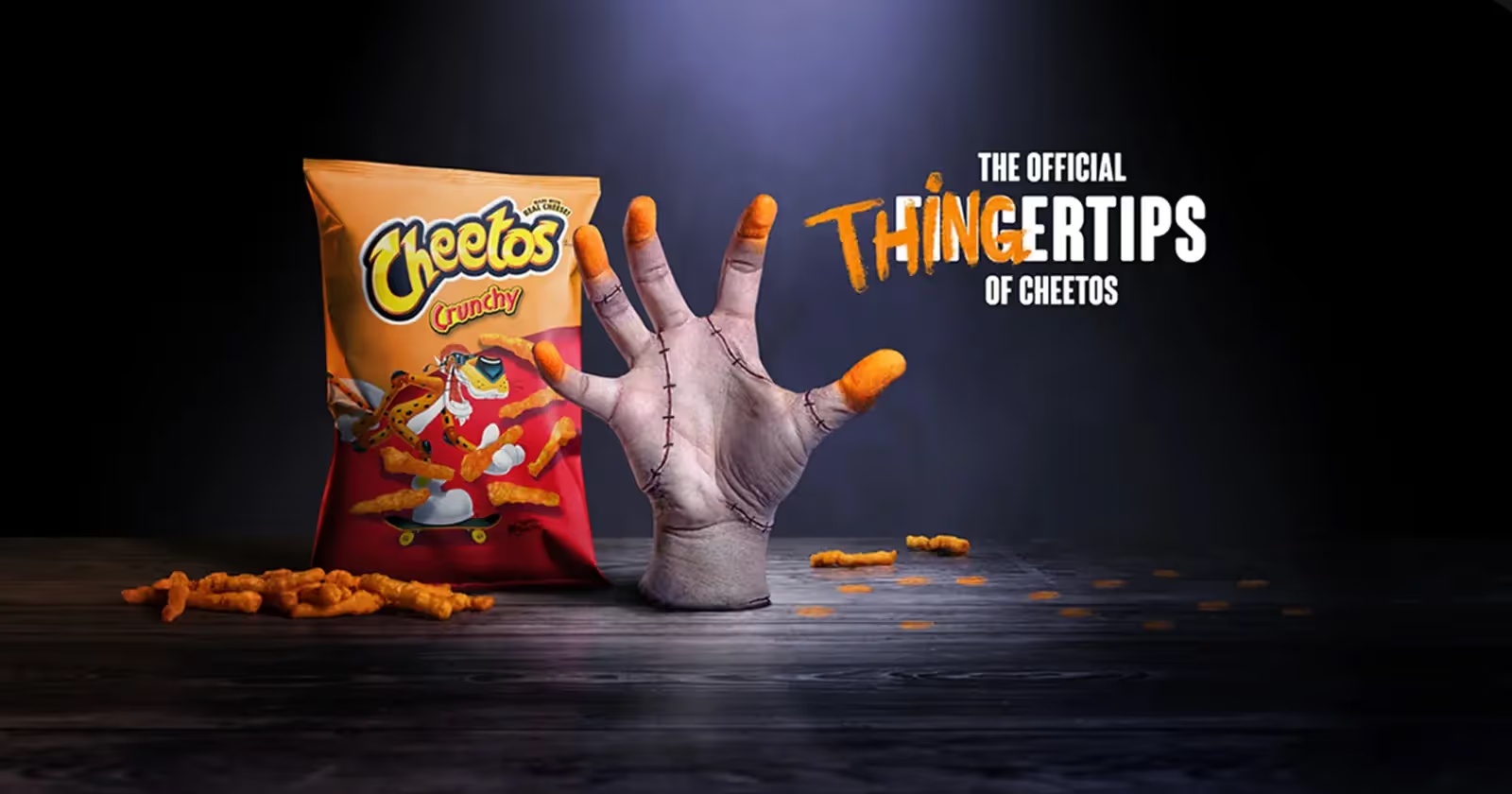
Cheetos’ partnership with Netflix's Wednesday employed the character “Thing” in Times Square for a viral campaign that combined large-scale physical ads with digital media, elevating new Flamin’ Hot products through pop culture relevance.
AI’s Role:
AI rapidly creates video scripts, thumbnails, captions, and storyboard ideas from text prompts. It produces diverse visual styles tailored for platforms like TikTok, Instagram, and YouTube, enabling fast A/B testing and iteration without lengthy production times.
Pro Tip:
To complement AI-generated videos and captions, you can also expand your visual assets from a single product image. Tools like Yarnit’s Dreambrush create multiple variations—lifestyle, model, or product-in-action shots—that can populate social posts or e-commerce pages. This keeps your visuals consistent, conversion-friendly, and ready to use in short videos or other campaign formats, all without extra production effort.
4. Craft Intent-Driven Product Descriptions and Captions
Write compelling product descriptions and social captions that align with consumer intent and platform algorithms to boost conversions and visibility.
Example:
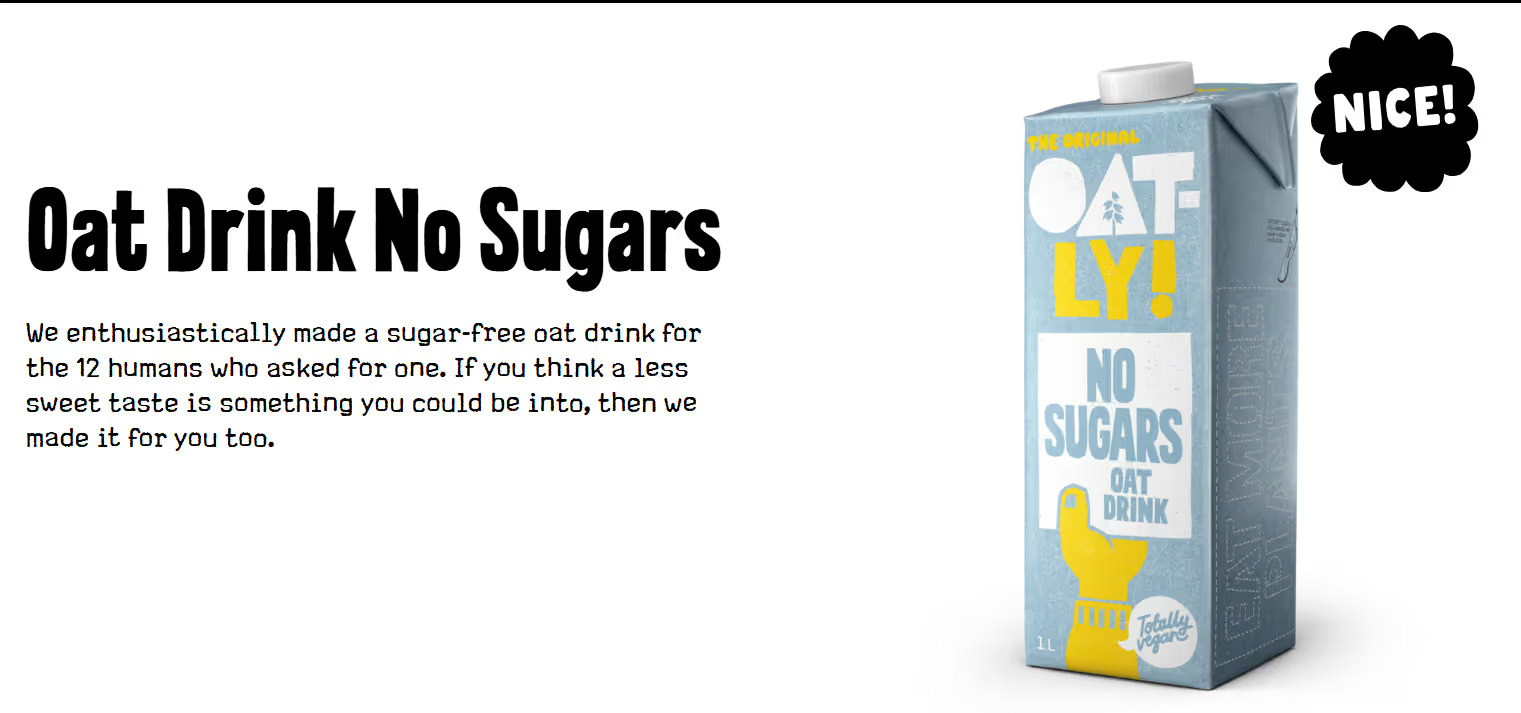
Oatly excels by using clear and catchy descriptions emphasizing qualities like “sugar-free” and “plant-powered,” connecting meaningfully with health-conscious shoppers and differentiating their products.
How AI Supports This:
AI can analyze competitor content, trending keywords, and audience searches to create multiple product descriptions and captions optimized for each platform.
For instance, tools like Yarnit’s PDP Generator can seamlessly integrate with your Shopify store or product catalog to generate descriptions tailored for marketplaces like Amazon, Walmart, and Google Shopping. It continuously updates content, incorporates high-value, low-competition keywords, and structures descriptions to boost discoverability—making it easier to maintain product pages that are both persuasive and search-friendly.
Pro Tip:
Input your product range into AI rewriting tools to generate diverse descriptions. Use A/B testing on your e-commerce site and social media to identify the most persuasive phrasing.
5. Produce Catchy Social Media Captions That Boost Engagement
Create short, memorable, and engaging social captions that align with the brand's personality and platform dynamics to increase reach and engagement.
Example:
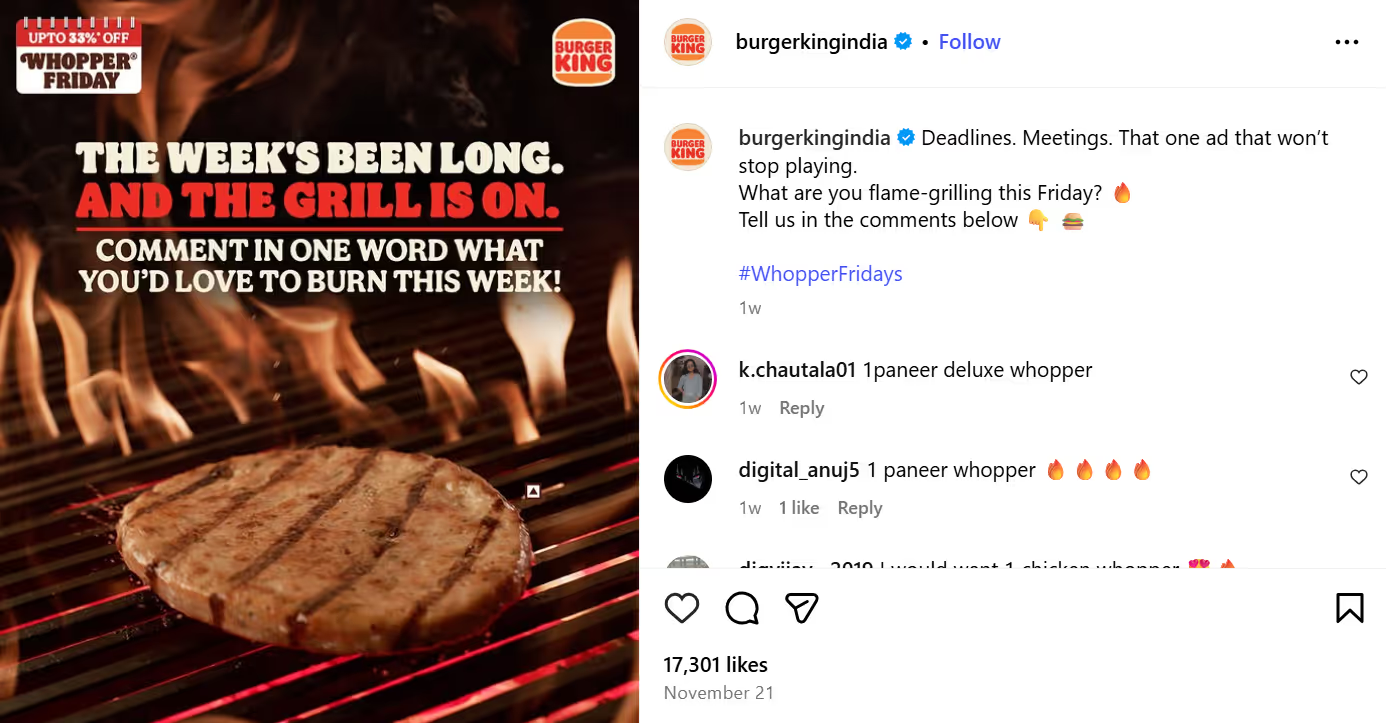
Burger King’s consistently witty captions maintain audience interest, while Dunkin’s collaboration with Sabrina Carpenter for the “Strawberry Daydream Refresher” featured a nostalgic “Dunkin’ Daydream Hotline” video with charming storytelling and high replay value.
How AI Supports This:
AI analyses viral captions and social trends, producing engaging caption variations laced with emojis and questions tailored uniquely for each social channel’s audience and format.
Pro Tip:
Use AI tools like Yarnit generate caption variants based on previous post successes, test them against similar content, and optimize captions based on metrics like saves, shares, and comments.
6. Use Captivating Storytelling in Video Content
Integrate narrative and character-driven videos to build brand personality and audience connection.
Example:
Dunkin’s 2025 “Strawberry Daydream Refresher” campaign featuring Sabrina Carpenter starred her as a retro hotline matchmaker in a pastel dreamscape. The campaign successfully used story-driven video content to showcase product personality and boost replay value.
AI’s Role:
AI assists in producing short-form scripts with character concepts and tone variations that resonate on social platforms, expediting concept-to-production cycles.
Pro Tip:
Utilize AI tools like Ask Yarnit to brainstorm several creative video storylines and produce short test videos that align to your brand tone and theme.
7. Develop Immersive, Personalized AR Experiences
Create interactive AR campaigns where consumers engage with products in unique, personalized ways through mobile devices.
Example:
Coca-Cola’s AR-enabled vending machines at FIFA allowed fans to customize drinks virtually, creating memorable brand moments and social shares.

AI’s Role:
AI personalizes AR content dynamically using users’ location, purchase history, and preferences, enabling tailored, engaging digital experiences that boost brand engagement.
Pro Tip:
Deploy AI-powered AR filters that users can access via smartphones linked to your packaging or campaigns. Track usage and conversions to optimize effectiveness.
Empower Your Content Marketing Strategies with AI
These seven AI content marketing strategies demonstrate how food and beverage brands can move from generic to hyper-personalized, efficient, and engaging marketing. AI transforms complexity into opportunity, enabling teams to connect meaningfully while operating efficiently.
Platforms like Yarnit aggregate campaign planning, content creation, and caption writing into a streamlined interface. The result: more impactful campaigns, less manual effort, and measurable growth. Harness the power of AI today to create the next campaign everyone will talk about.