
If you’re the person who is responsible for keeping product listings in shape across Amazon, Walmart, and your Shopify store especially with hundreds or thousands of SKUs, You know exactly how much work it involves.
The same product has to meet three very different sets of rules. Amazon demands tight structure and search-friendly details. Walmart expects clear, no-nonsense information that feels reliable. Shopify finally lets the brand’s personality come through.
Keeping product listings strong and consistent by manually means constant rewriting titles, bullets, descriptions, photos, keywords, FAQs. One overlooked detail can drop visibility or hamper consumer’s trust. The cost is real. Mid-market brands with 10,000 to 100,000 products typically lose around 23% of potential revenue from inconsistent or incomplete listings.
Modern AI tools can take most of this load off your plate. They understand each platform’s requirements, protect the brand tone, and handle ongoing updates without endless manual checks. Let’s understand why the platforms differ so much, then see how AI is making the day-to-day work far more manageable.
Key Differences in Product Listing Rules Across Platforms
The platforms feel different because they serve different purposes.Amazon is built like a massive search engine everything has to help shoppers find and buy quickly, especially on mobile. Walmart prioritizes straightforward, trustworthy details for value-focused customers. Shopify is the brand’s own space, so there’s room to build connection and loyalty.
Here’s how the main elements compare:
.avif)
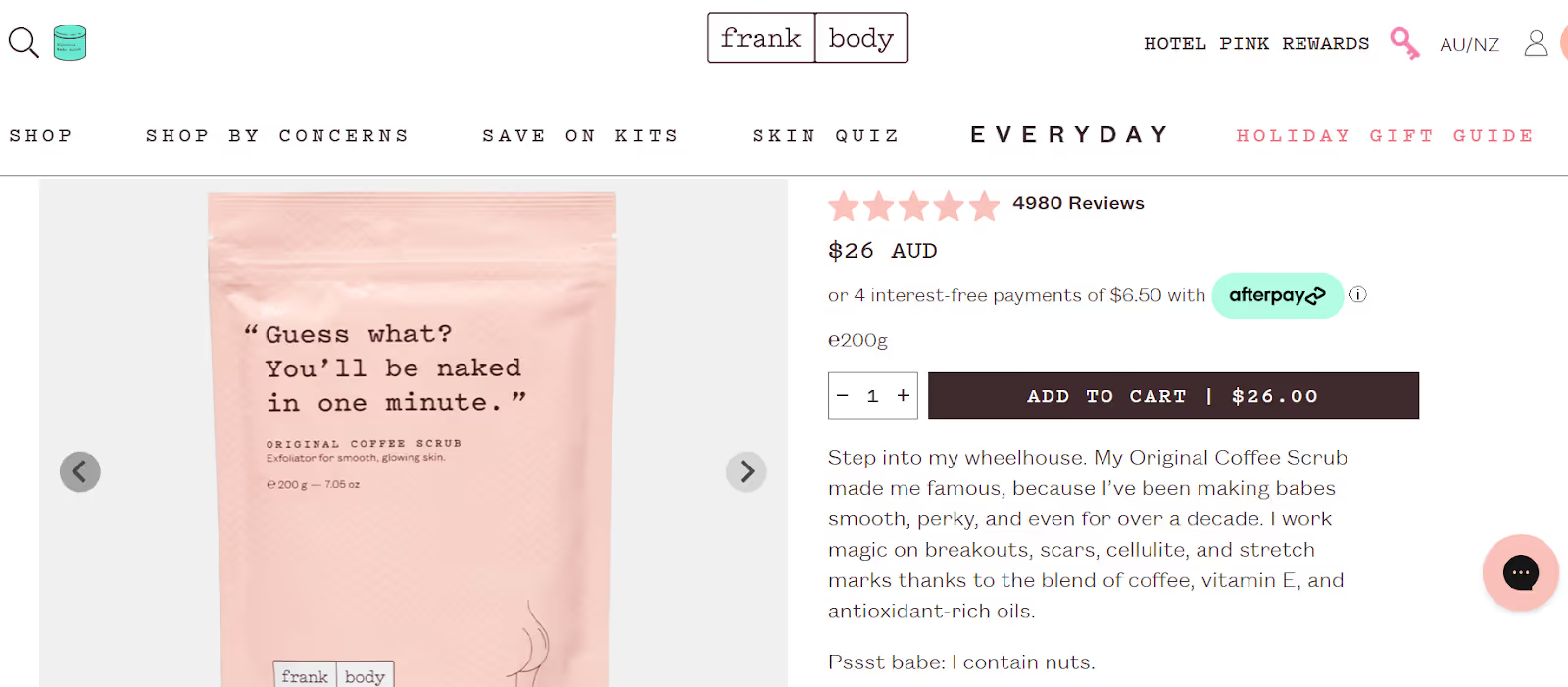
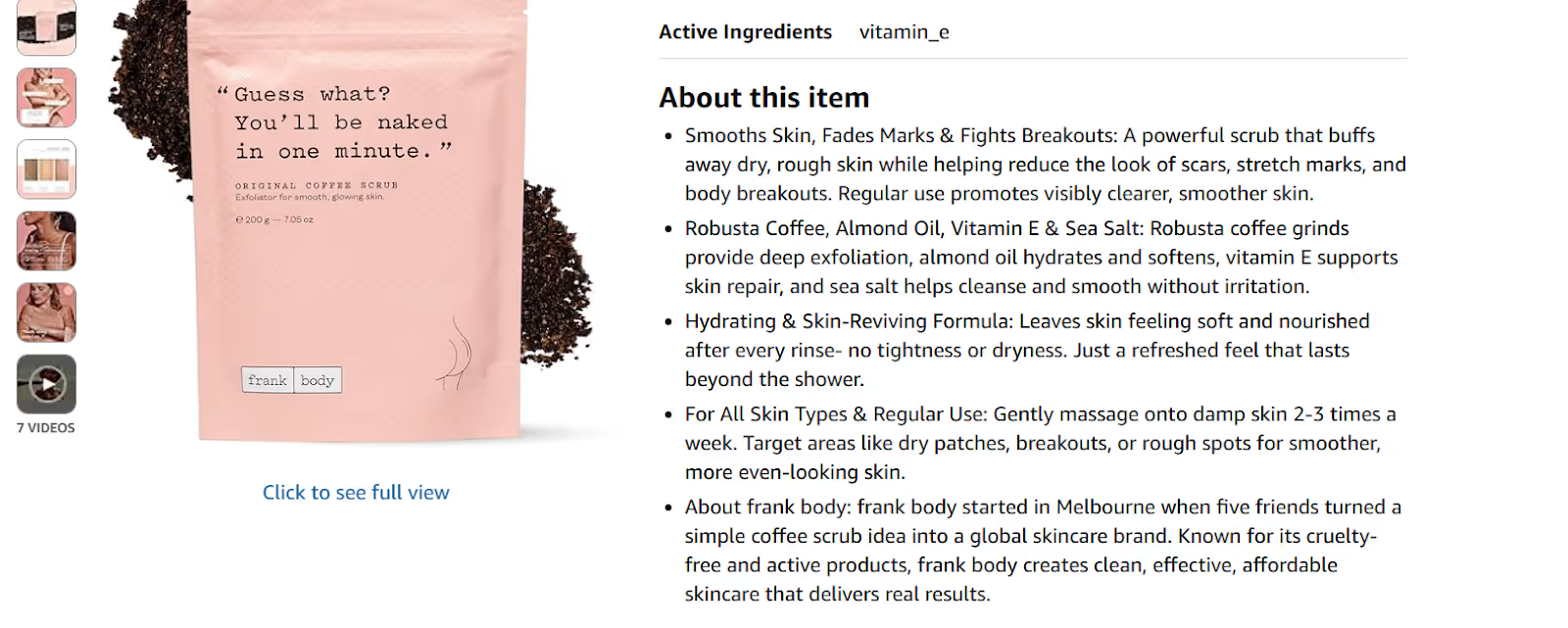
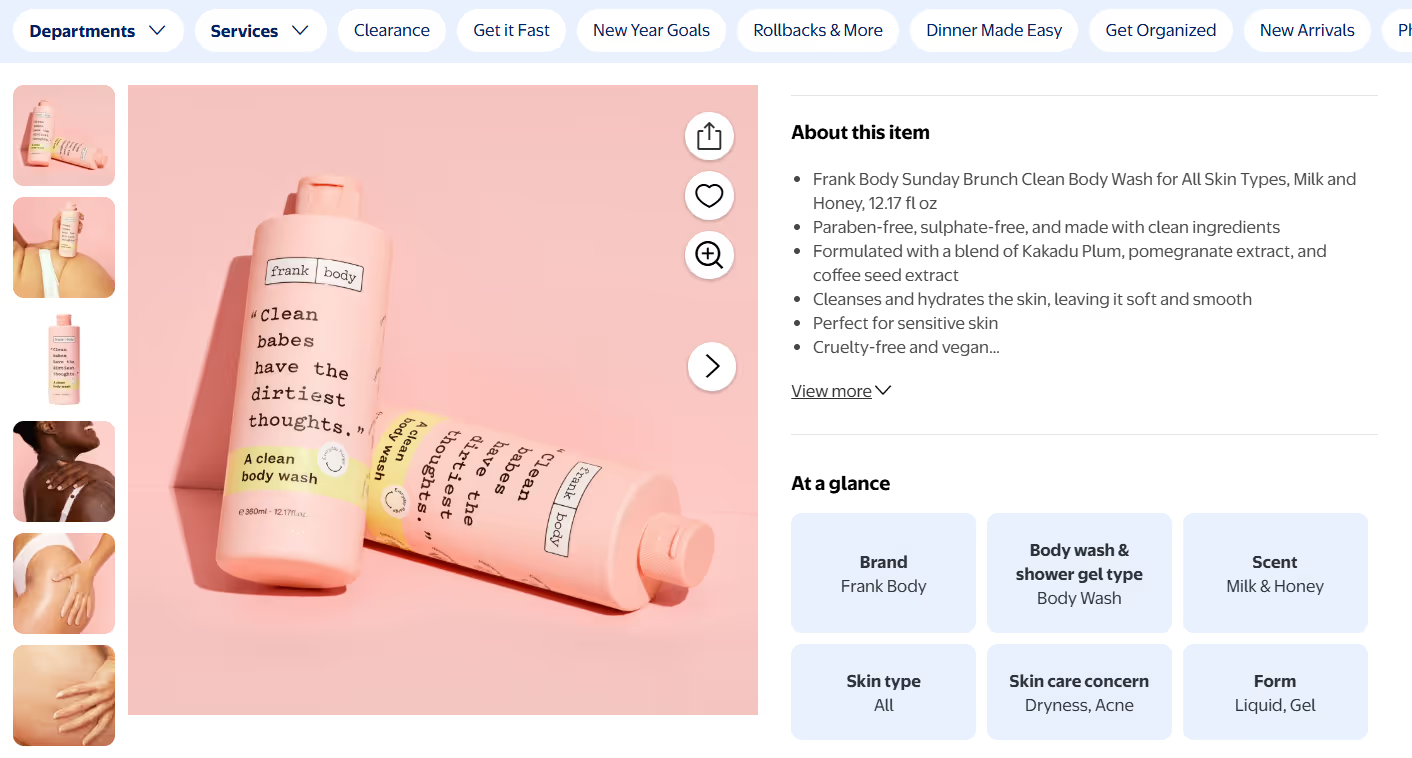
Frank Body’s Original Coffee Scrub shows the difference clearly.
On Shopify, the page feels friendly and confident: simple title, honest sections about benefits and ingredients, playful bullets, photos that show real people and results.
On Amazon, it’s direct: longer title with specifics, five clear benefit bullets, main photo on white background.
On Walmart, it’s practical: short title, brief overview, four straightforward bullets, clean product shots.
Many teams still use spreadsheets or basic AI prompts. Spreadsheets get out of sync fast. Simple prompts help draft text, but they don’t know platform rules or keep things consistent over time. Hours go into reviewing and fixing.
How Agentic AI Streamlines the Full Listing Workflow
Smarter AI tools change this completely they pull together information, build the right version for each platform, and keep everything running smoothly.
Gathering and Understanding the Data
The AI starts by collecting supplier files, current listings, customer reviews, search trends, and competitor performance. It learns what works best on each channel.
Building Every Piece of the Product Page
Then it puts together every part:
- Titles, descriptions, bullets, FAQs, extra content sections
- Keywords placed correctly hidden fields for Amazon, attributes for Walmart, visible text and image tags for Shopify
- Photos and short videos white background and zoom-ready for Amazon, lifestyle and helpful diagrams for Walmart and Shopify, even new studio-quality visuals when needed
It also learns the brand tone and keeps it steady. If the voice is light and confident like Frank Body, Shopify stays that way. Amazon and Walmart remain factual, but the wording still feels like the brand. Want to go deeper into how agentic AI manages product operations end-to-end? This breakdown explains how DTC brands use agentic AI to scale product ops efficiently covering listings, assets, updates, and cross-channel coordination as catalogs grow.
Wireless earbuds are a solid example.
Amazon gets a clear title with key specs, five strong benefit bullets, white-background main images extra keywords tucked away.
Walmart gets a natural shorter title, straightforward FAQs about battery and pairing, clean spec photos.
Shopify gets a warmer product description “Sound that moves with you” plus a short video of someone out running, search-friendly image tags, and the familiar tone.
Keeping Listings Fresh Over Time
After launch, the AI keeps an eye on things. It watches for price or stock changes, spots performance dips, notices new trends or review patterns, and suggests refreshes keywords, photos, FAQs while staying true to the brand.
Building an Intelligent, Brand-Consistent Catalogue
With more buyers discovering products through AI recommendations, listings need to be accurate, compliant, and recognizably the brand’s own.
Brands that succeed will have catalogs that stay fresh and consistent without constant manual effort.
Tools like Yarnit are designed for exactly this. It works as a smart catalog manager checking listings for missing details, creating studio-quality images, videos, descriptions, keywords, and metadata that fit each platform perfectly while keeping the brand voice intact. Review and sync happen in one click, so the day-to-day workload shrinks and teams can focus on growth.
If listings feel like they’re running the team instead of the other way around, start with a simple audit of what’s live now. Then look for an AI system that covers analysis, optimization, branding, and ongoing care from end to end.
Listings are how the brand speaks to shoppers. With the right support, they can speak clearly & confidently everywhere.