


.png)
The brief is clear. The outline looks solid. The AI generates 1,800 words in under two minutes.
And yet, an hour later, you’re still rewriting the same sections.
For content marketers in 2026, the challenge is finding a tool that actually reduces effort instead of shifting it from writing to editing, fact-checking, and SEO clean-up. As teams scale content across blogs, landing pages, emails, and performance channels, even small gaps in output quality, pricing flexibility, or workflow design start to compound.
Jasper.ai often comes up in these conversations, mostly because it's been around longer than most alternatives. But more marketers are now exploring tools that take a different approach, ones that deliver drafts you can actually use without heavy lifting, integrate SEO considerations from the start, and make economic sense as you grow. That's exactly where the search for Jasper.ai alternatives begins.
Why You Need Alternatives to Jasper.ai
Pricing Concerns
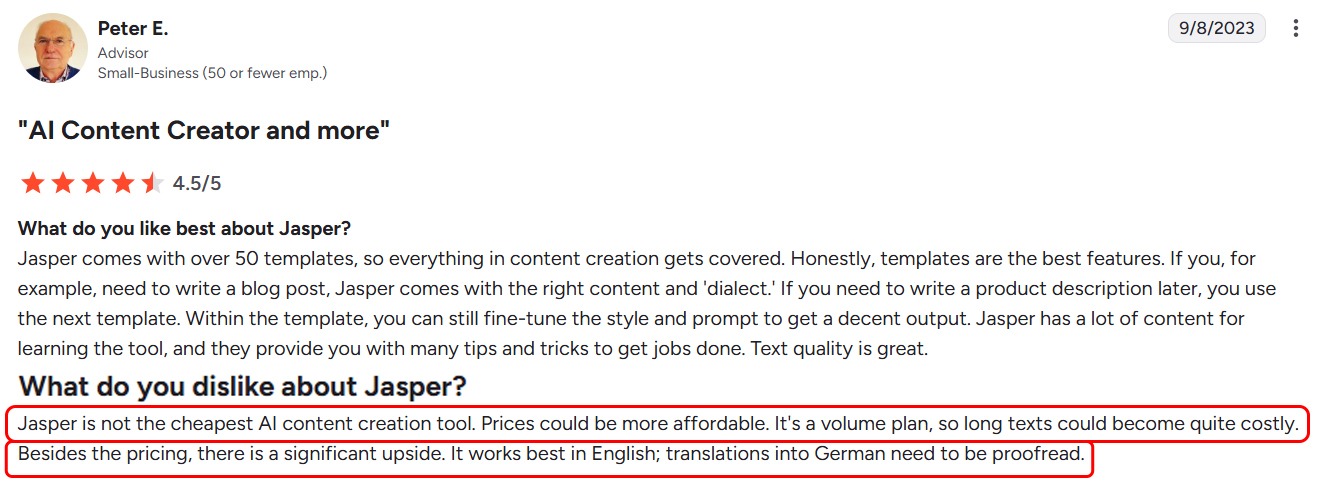
While the platform excels at maintaining brand consistency at scale, that capability comes at a premium price point that doesn't always align with budget realities. Teams report that costs add up quickly when multiple users need access or when content volume increases.
Limited Content Editing Capabilities
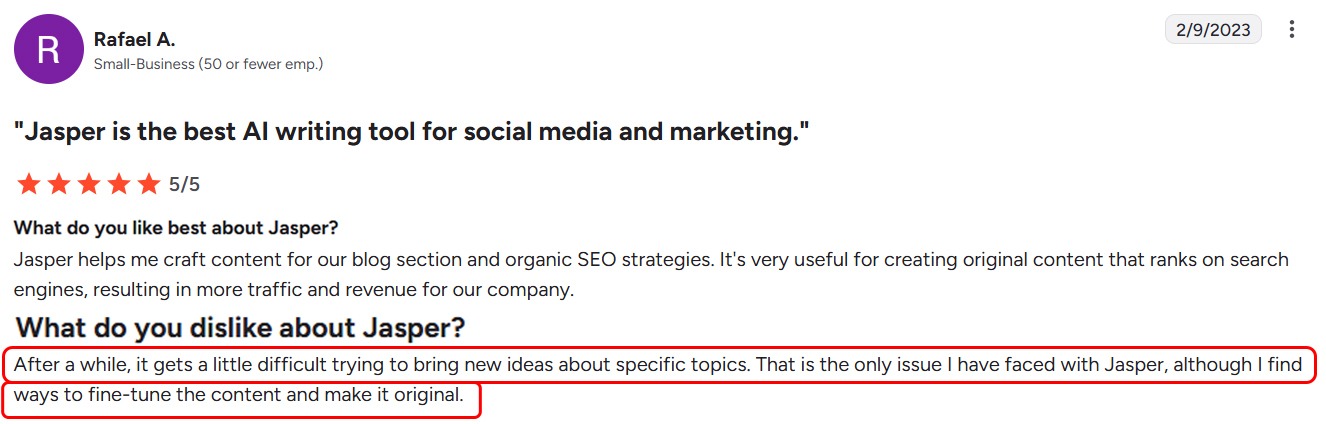
The platform generates content but often requires significant manual refinement. Content marketers report spending considerable time adjusting tone, restructuring outputs, and fixing contextual mismatches, essentially defeating the purpose of automation.
Content Output Quality and Variety
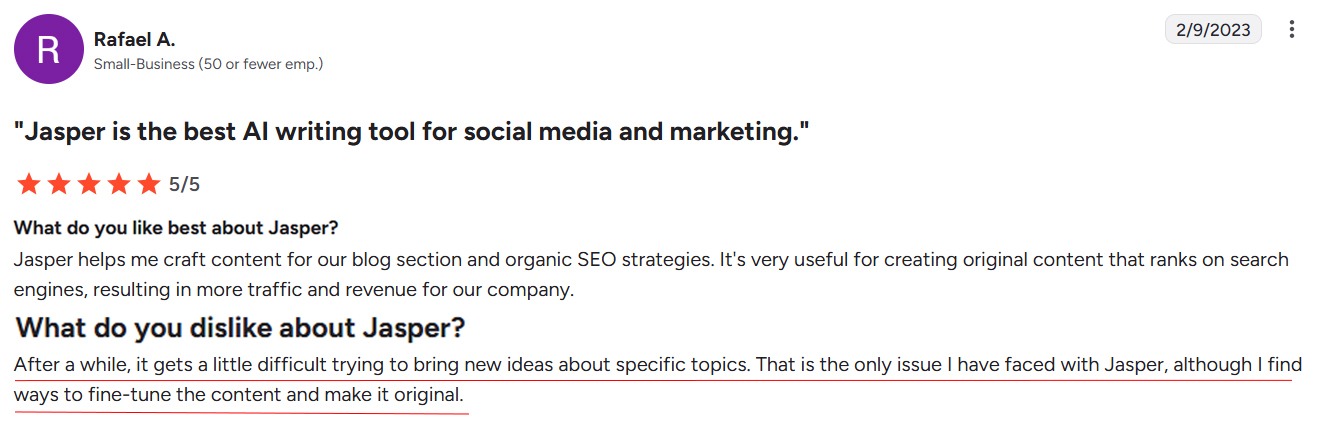
The tool sometimes struggles with maintaining consistent brand voice across different content types, and the generated material often requires substantial human intervention to meet publication standards.
Top Jasper.ai Alternatives for Content Marketing
Based on thorough evaluation, here are the leading alternatives that content marketing teams can turn to in 2026:
1. Yarnit
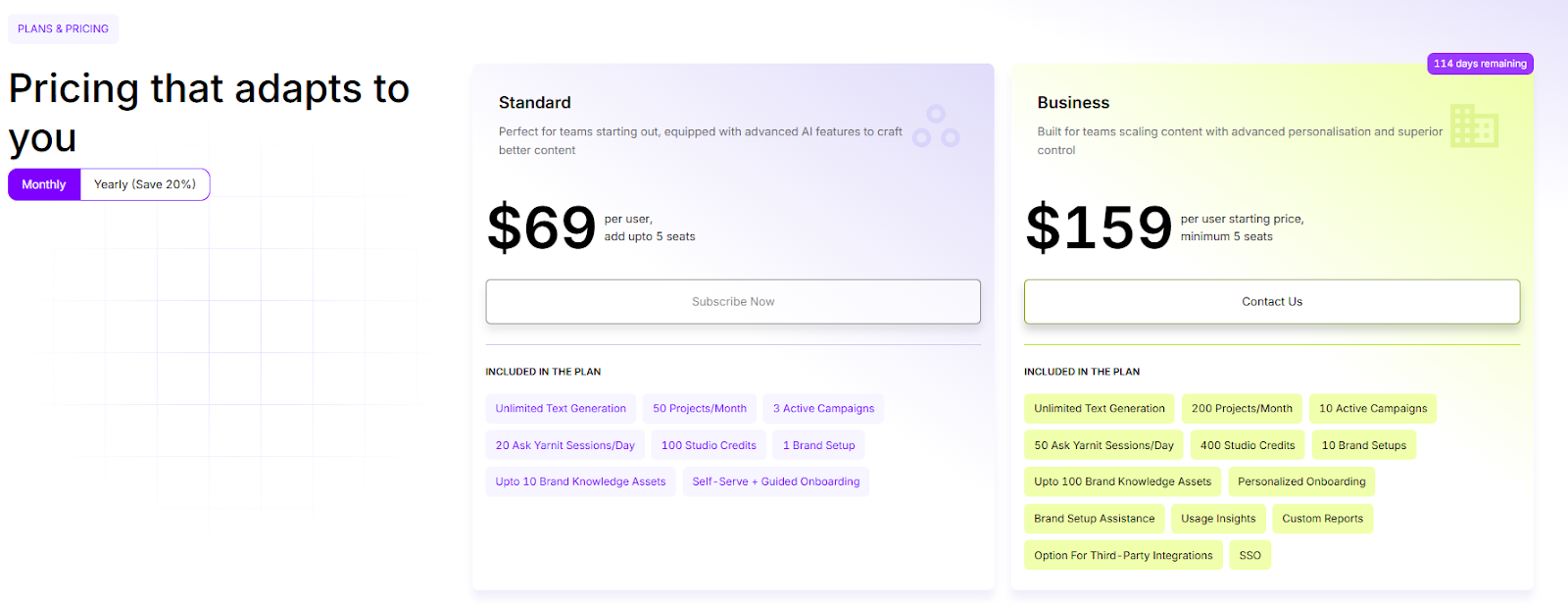
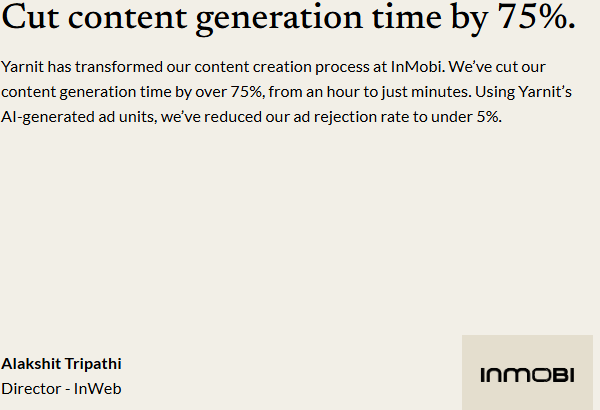
Yarnit positions itself as a comprehensive AI marketing team rather than just a writing tool. The platform combines content generation, design, and distribution in one unified workspace.
Key Features:
- Multi-format content creation (blogs, social media, emails, ad copy) with consistent brand voice
- Built-in design capabilities for visual content
- Knowledge base integration for personalized, brand-specific outputs
- SEO optimization tools and performance analytics
- Collaborative workspace for team-based content creation
Pricing:
User Feedback:
2. Semrush
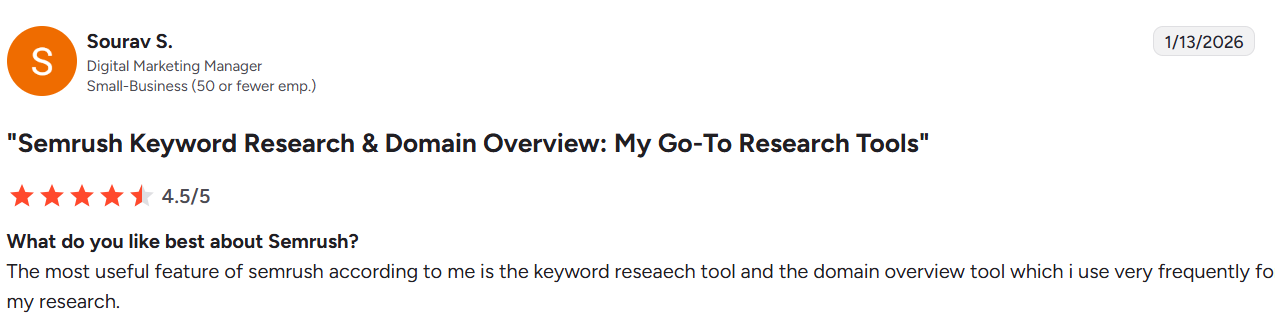
Known primarily as an SEO powerhouse, Semrush has evolved into a comprehensive content marketing platform with AI-driven writing capabilities integrated into its suite.
Key Features:
- SEO Writing Assistant with real-time optimization recommendations
- Content brief generator based on competitor analysis
- Topic research and keyword clustering
- Performance tracking and content analytics
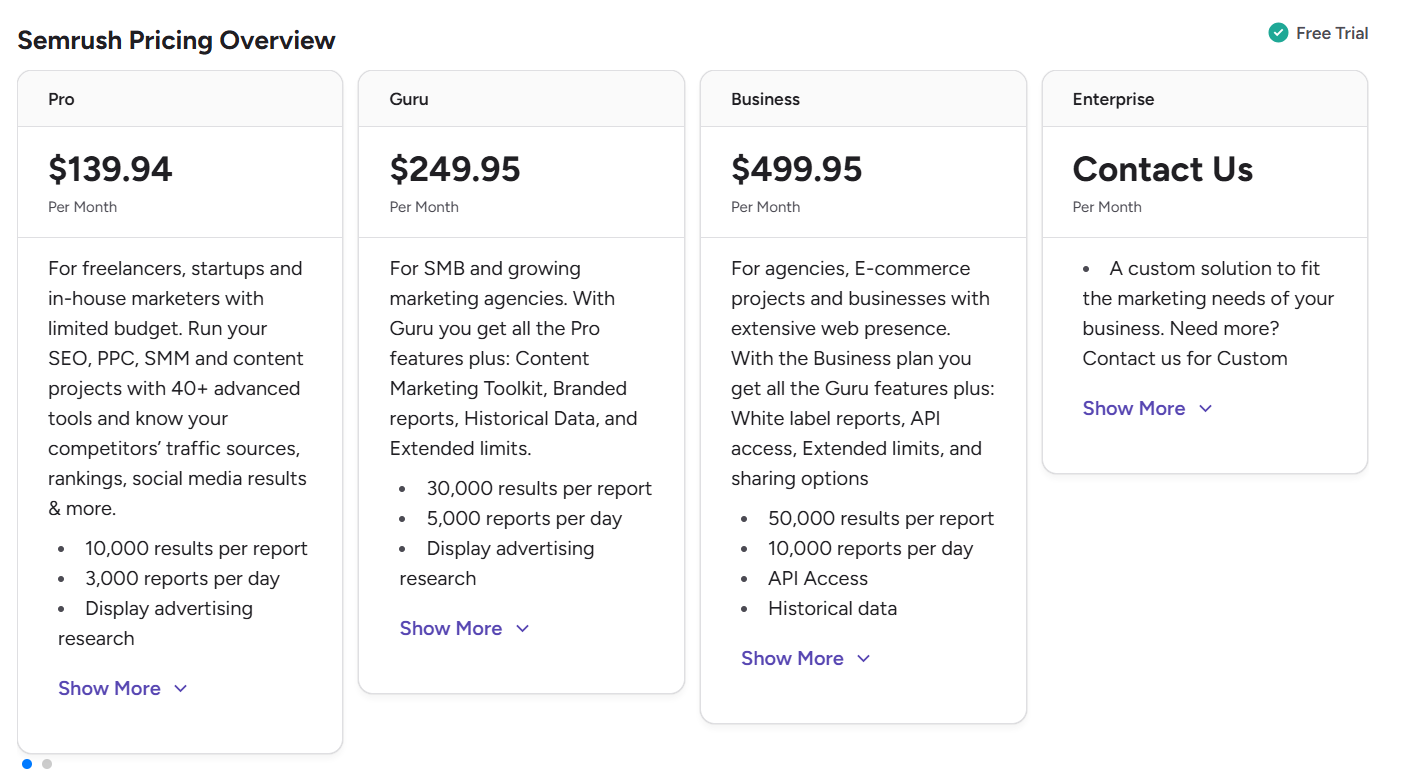
Pricing:
User Feedback:
3. Surfer SEO
Surfer SEO combines content optimization with AI writing, focusing heavily on search performance and ranking factors.
Key Features:
- AI-powered content editor with SERP analysis
- Content score and optimization suggestions
- Outline builder based on top-ranking pages
- Plagiarism checker and brand voice customization
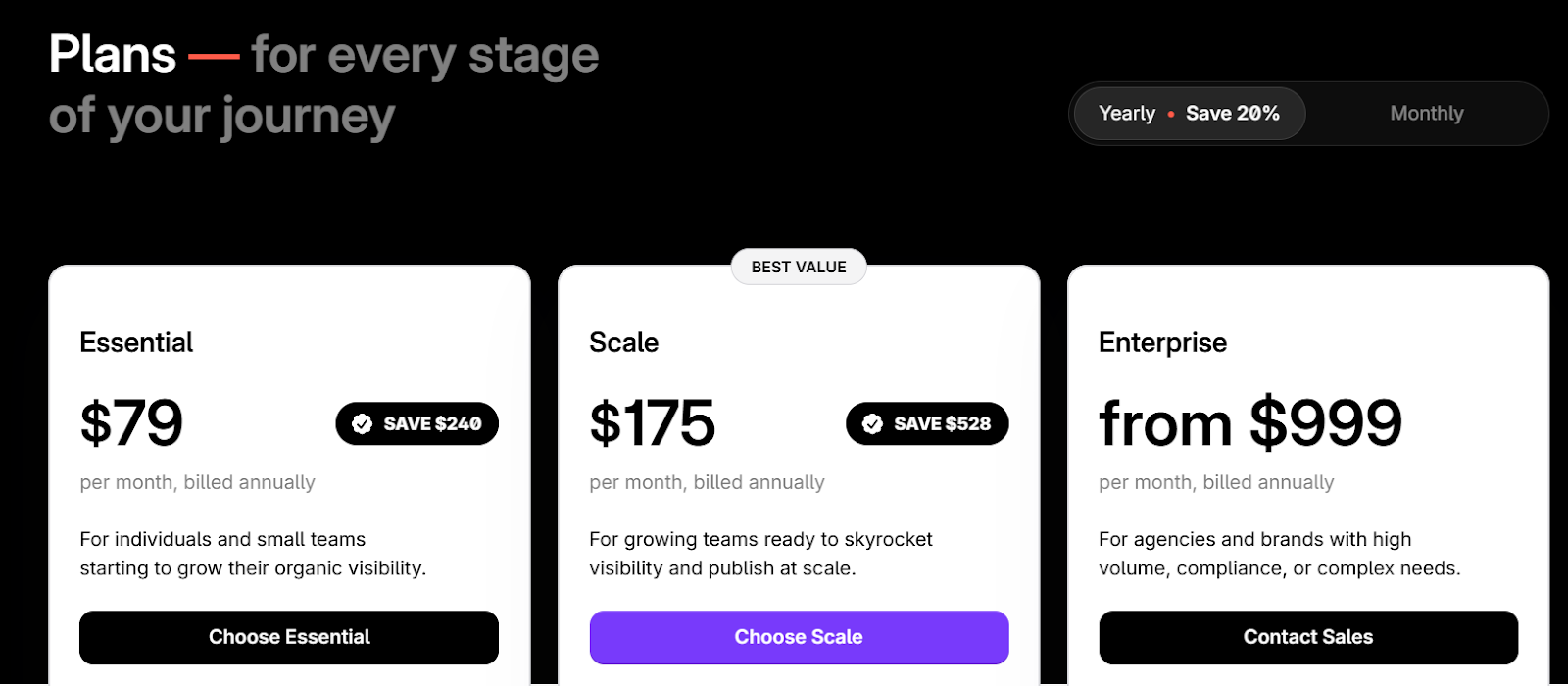
Pricing:
User Feedback:
4. Copy.ai
Copy.ai specializes in marketing copy across various formats, with a strong focus on conversion-oriented content.
Key Features:
- 90+ copywriting templates and frameworks
- Workflow automation for content production
- Multi-language support (25+ languages)
- Team collaboration features and brand voice settings
Pricing:

User Feedback:

5. Blaze AI
Blaze AI targets local and social media marketing with specialized features for multi-channel campaigns.
Key Features:
- Social media content calendar and scheduler
- Local SEO content optimization
- Multi-platform posting capabilities
- Analytics dashboard for campaign tracking
Pricing:

User Feedback:

How We Test Content Marketing Tools
Feature Evaluation: We tested the breadth and depth of features against common content marketing workflows, from initial ideation through final distribution. This includes assessing template variety, customization options, collaboration capabilities, and integration with existing marketing stacks.
Output Quality Assessment: Our team created identical content briefs across different platforms and evaluates outputs for accuracy, tone consistency, originality, and how much editing is required before publication. We specifically test for the ability to maintain brand voice and handle complex, industry-specific topics.
Pricing Efficiency: We analyzed pricing structures against the actual value delivered, considering factors like per-user costs, content volume limits, feature restrictions across tiers, and hidden fees. We also evaluated how costs scale as team size and content needs grow.
User Experience: Real marketing team members test each platform's interface, learning curve, and daily usability. We measured time-to-value, and assessed the intuitiveness of key workflows.
Conclusion
From our evaluation, Yarnit stands out for teams seeking a unified platform that handles content creation, design, and distribution without requiring multiple tool subscriptions. The platform's focus on maintaining brand consistency while producing ready-to-publish content addresses many of the editing and quality concerns that drive marketers away from other solutions.
Ultimately, the best alternative depends on your team's priorities. If SEO is paramount, Semrush or Surfer SEO might be your answer. If the budget is tight, Writesonic or Copy.ai offer solid entry points. For comprehensive content marketing operations that need to scale efficiently, consider exploring Yarnit's approach to AI-powered marketing. Try Yarni and experience how an integrated AI marketing platform can transform your content workflow, from strategy through execution, all in one place.


