AI Insights
Agent Memory Has Outgrown Retrieval
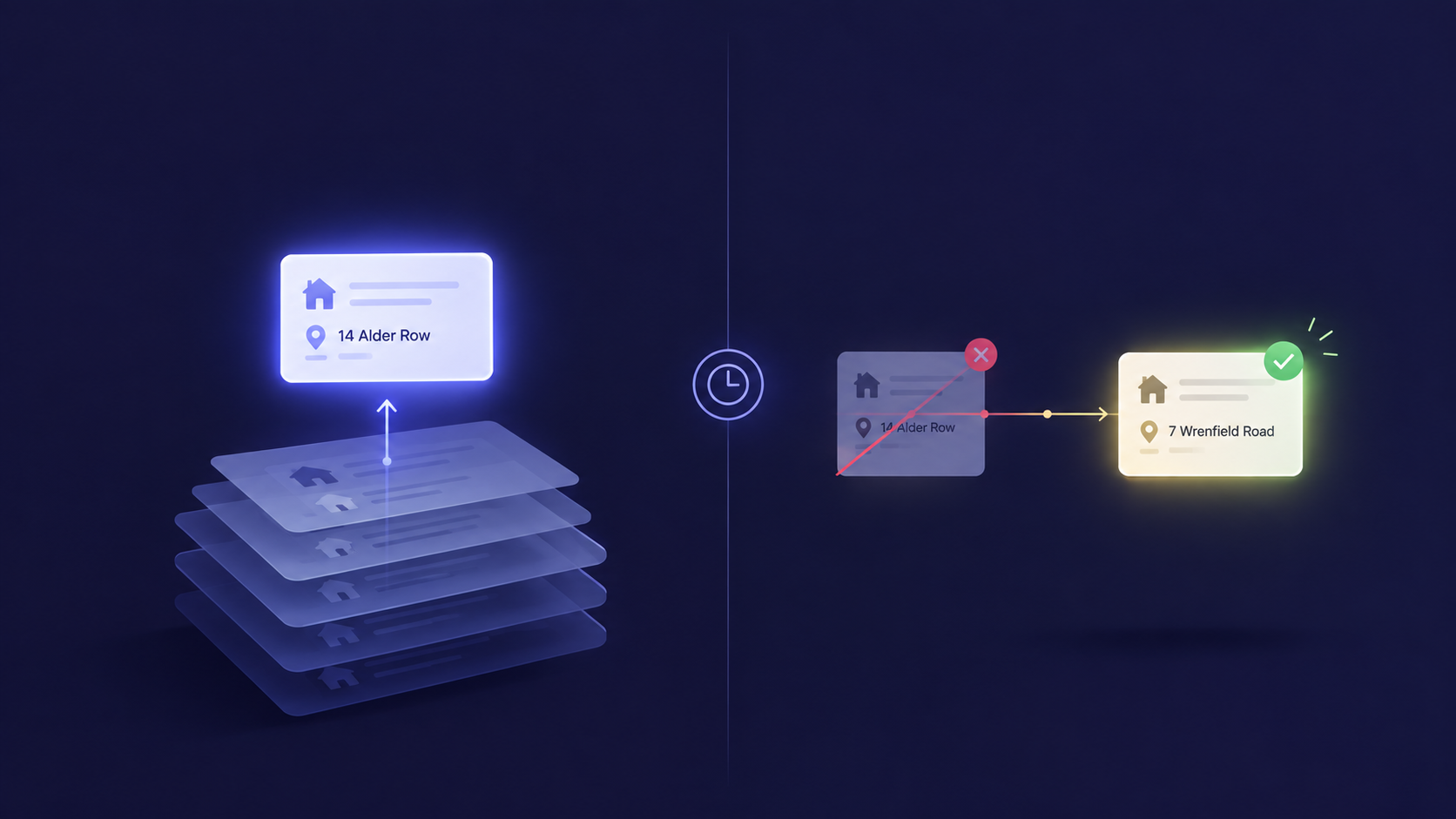
Most AI memory systems can find relevant past information but can't tell if it's still true, so agents act on stale data that was technically "retrieved correctly."
September 17, 2026

Discover what AI agents are, how multi-agent systems work, and their transformative role in marketing. Learn about autonomous AI, orchestration agents, and real-world applications.

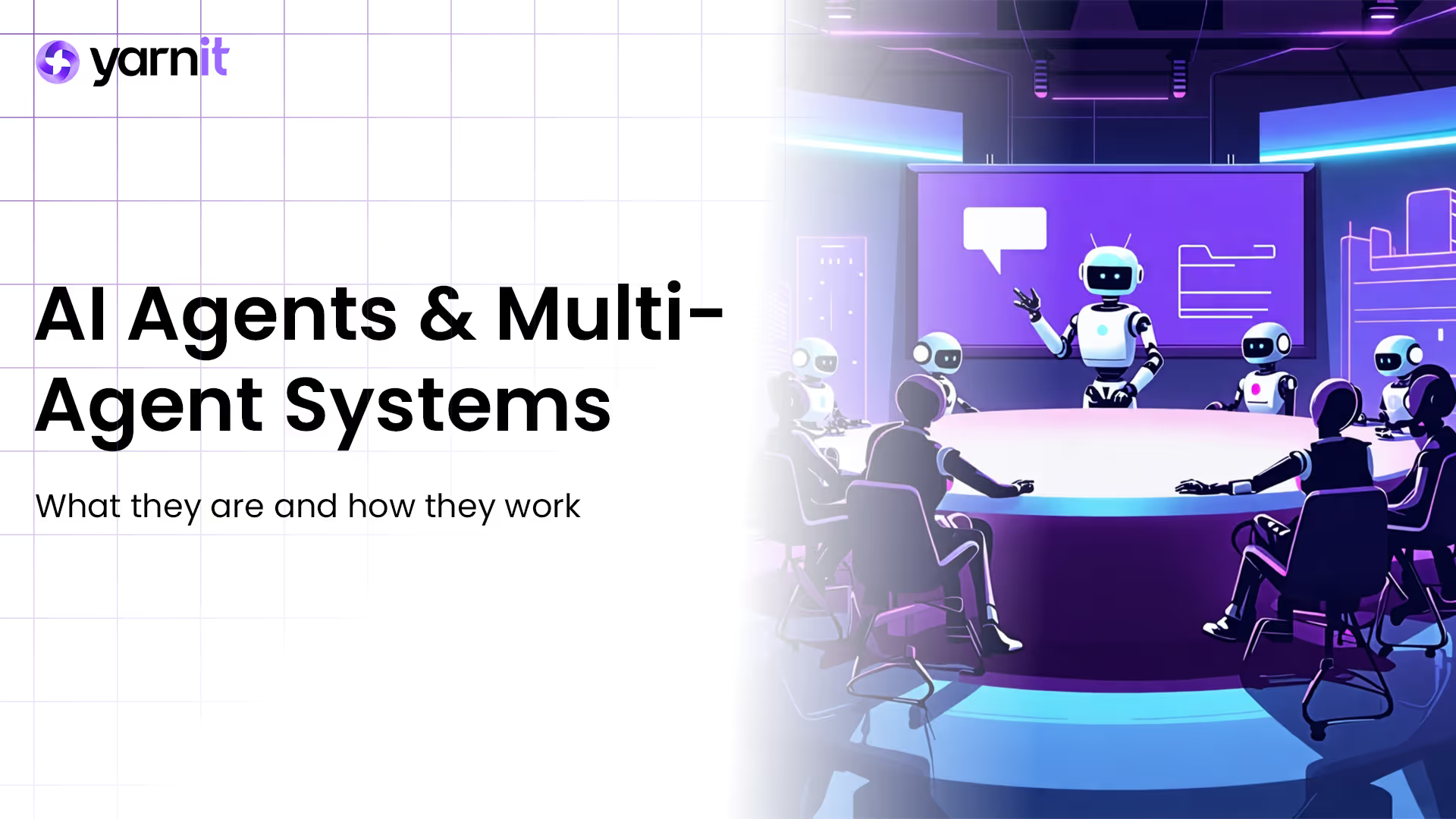

While the world at large has been captivated by talking to chatbots, AI researchers have been quietly cooking up something far more powerful: autonomous AI agents. Now, these intelligent systems are moving from research labs to everyday applications, leading to a technological leap that could redefine our relationship with AI.
AI agents are systems designed to autonomously make decisions and take actions to achieve specific goals. These agents operate on their own, adapting to new situations and learning from their experiences. They hold the potential to be the building blocks of a more intelligent, responsive digital world.
From simple rule-based systems to sophisticated machine learning models, agents have grown increasingly capable of handling complex tasks across various domains.
In this blog, we'll explore AI agents' fundamental roles, key characteristics, and the transformative potential they hold for AI + human workflows. We'll examine how these digital minds work together, the power of multi-agent systems, and the exciting future that lies ahead.
AI agents come in various flavors, each with its unique strengths and applications. Let's break down the main types and explore what makes them tick:
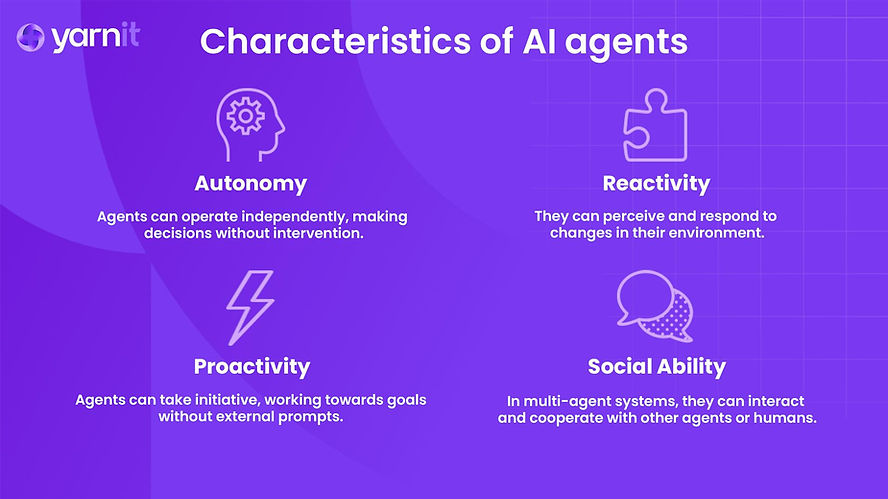
Regardless of their type, all AI agents share some key characteristics:
Understanding these types and characteristics is crucial as we explore how AI agents are reshaping various industries and pushing the boundaries of what's possible in artificial intelligence.
When it comes to AI agents, sometimes two heads (or more) are better than one. This is where multi-agent systems (MAS) come into play, and they're changing the game in artificial intelligence.
Multi-agent systems are environments where multiple AI agents interact, cooperate, and sometimes compete to solve problems or achieve goals. Think of it as a team of AI experts, where each agent brings its own strengths and specialties to the table. The magic happens when these agents work together, creating solutions that are greater than the sum of their parts.
The power of multi-agent systems lies in their ability to tackle complex, multi-faceted problems. They can divvy up tasks, share information, and even learn from each other. This collaborative approach allows for more flexible, scalable, and robust solutions than single-agent systems
Coordinating multiple agents can be tricky. They need to communicate effectively, resolve conflicts, and sometimes negotiate to achieve the best overall outcome. It's a bit like managing a team of people - each with their own expertise and perspective.
A solution to this is something called an orchestration agent. In a multi-agent system, an orchestration agent refers to a central component that understands the user's intent and creates a plan for specialized agents to execute. This basically bridges the gap between the user and the system, ensuring better adherence to the user's instructions while allowing the system to reach its full potential.

In the world of marketing, having a multi-agent system at your disposal means having a virtual team of experts at your fingertips, ready to optimize every aspect of your marketing strategy.
Instead of conversing with a single AI, imagine engaging with a sophisticated team of experts, each with its dedicated function and expertise, allowing for a more nuanced and effective marketing approach. Consider this scenario:
This multi-agent system operates as a cohesive unit, ensuring that every element of your marketing strategy is not only covered but also optimized for maximum impact.
Here’s what Abhinav Kimothi, VP of AI at Yarnit, has to say:
The future of content marketing will be transformed by multi-agent AI systems, where specialized agents collaborate to automate content creation, distribution, and analysis. This synergy will enable marketers to deliver highly personalized and engaging content at scale, enhancing audience engagement and driving measurable results.
Multi-agent systems in marketing offer a glimpse into the future, where accessing the expertise of a diverse team of marketing experts can become standard practice. These systems will lead to streamlined, effective, and adaptive marketing strategies that harness the full potential of AI for marketing.
The journey of AI agents in marketing is just beginning, and the most exciting chapters are yet to be written. As we stand on the brink of this new era, one thing is clear: the future will be shaped by the interplay between human ingenuity and artificial intelligence. It's a future full of possibilities, and we're cooking up something that'll put marketers on the cutting edge of AI.
Stay tuned to our socials and blogs to learn more.
.avif)

From collection to clarity — we’ll help you make sense of it all.

Giving shape to intelligence