


.jpg)
Before buying a sofa, dining table, or bed frame, most shoppers don’t start by visiting a specific store. They start with research, and that research usually begins on Google.
People search for things like:
- “living room furniture ideas for small spaces”
- “modern wooden dining table designs”
- “leather vs fabric sofa durability”
- “best coffee tables under $500”
For furniture stores, this means SEO shouldn’t focus only on product pages. Brands that rank well in search also create content that captures these early discovery searches, things like design guides, room inspiration pages, and material comparisons. This allows them to appear during the research phase of the buying journey, not just the purchase stage.
By showing up early, furniture brands build familiarity and trust. So when the shopper eventually searches for something like “buy walnut coffee table online,” they’re far more likely to click on a brand they’ve already discovered during their research.
What Does SEO Mean for Furniture Stores?
E-commerce SEO is the process of optimizing an online store so its pages appear when potential buyers search for furniture online. Unlike many other retail categories, furniture purchases involve a longer decision cycle. People want to evaluate aesthetics, durability, dimensions, and price before committing. Because of this, they interact with multiple types of content during their research.
They might begin with design inspiration. Later, they compare materials. Eventually, they narrow down to specific products. Leading furniture retailers build SEO strategies that support each stage of that journey.
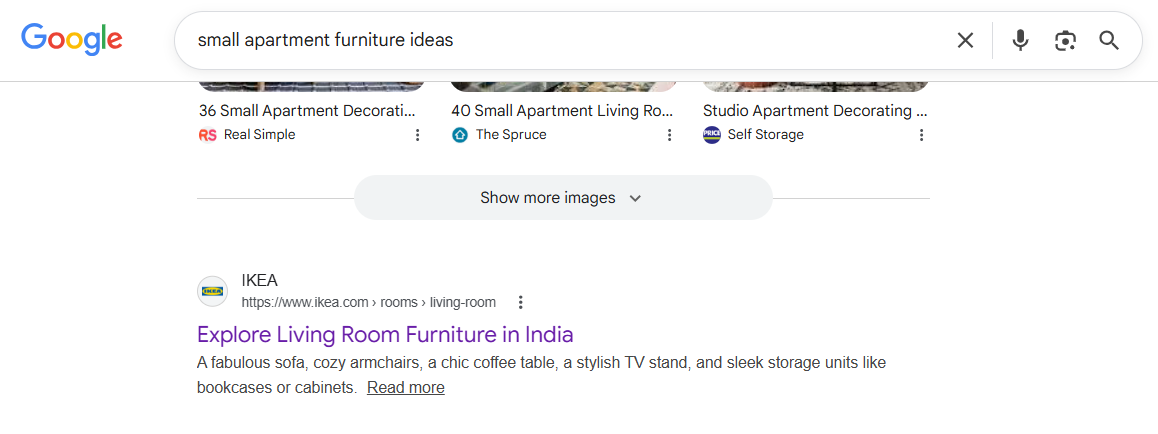
Brands like IKEA capture both discovery and transactional searches. Their website ranks for queries such as “small apartment furniture ideas,” which lead users into curated product collections and room layouts. This layered approach allows furniture brands to attract visitors even when they are just beginning their research.
This shift toward conversational and AI-led discovery is also changing what “visibility” means. It’s no longer just about ranking on search engine results pages, but also about being included in direct answers generated by AI systems.
For furniture stores, this means product pages and content need to go beyond keywords and include clear, structured, and context-rich information, such as dimensions, materials, use cases, and comparisons. This is what enables platforms powered by AEO and GEO to extract and recommend your products when users ask detailed, intent-driven questions.
The benefits of e-commerce SEO for furniture stores include:
- consistent organic traffic from high-intent searches
- visibility during the early research phase of buying
- reduced reliance on paid advertising
- stronger brand authority in the home décor space
When done well, SEO turns a furniture store’s website into a discovery engine, helping potential customers find products they didn’t even know they were looking for.
Key SEO Strategies for Furniture E-commerce
1. Building Category Pages
One of the biggest drivers of organic traffic for furniture e-commerce sites is category pages. When someone searches for furniture online, you’ll often see searches like:
- “wooden dining tables”
- “ergonomic office chairs”
- “modern living room furniture”
In these cases, searchers usually want to compare multiple options, not land on a single product page. Category pages satisfy that intent better because they allow users to browse different products within a specific category.
Category pages also allow websites to capture a large number of keyword variations related to a product type. A single well-optimized category page can rank for dozens or even hundreds of related search queries, making it one of the most scalable ways to drive organic traffic to an online store.
You can see this approach clearly in the way IKEA structures its product categories. Instead of focusing only on individual products, IKEA builds strong category pages around core furniture searches. For example, their dining tables category page aggregates a wide range of tables with filters for seating capacity, shape, material, and price:
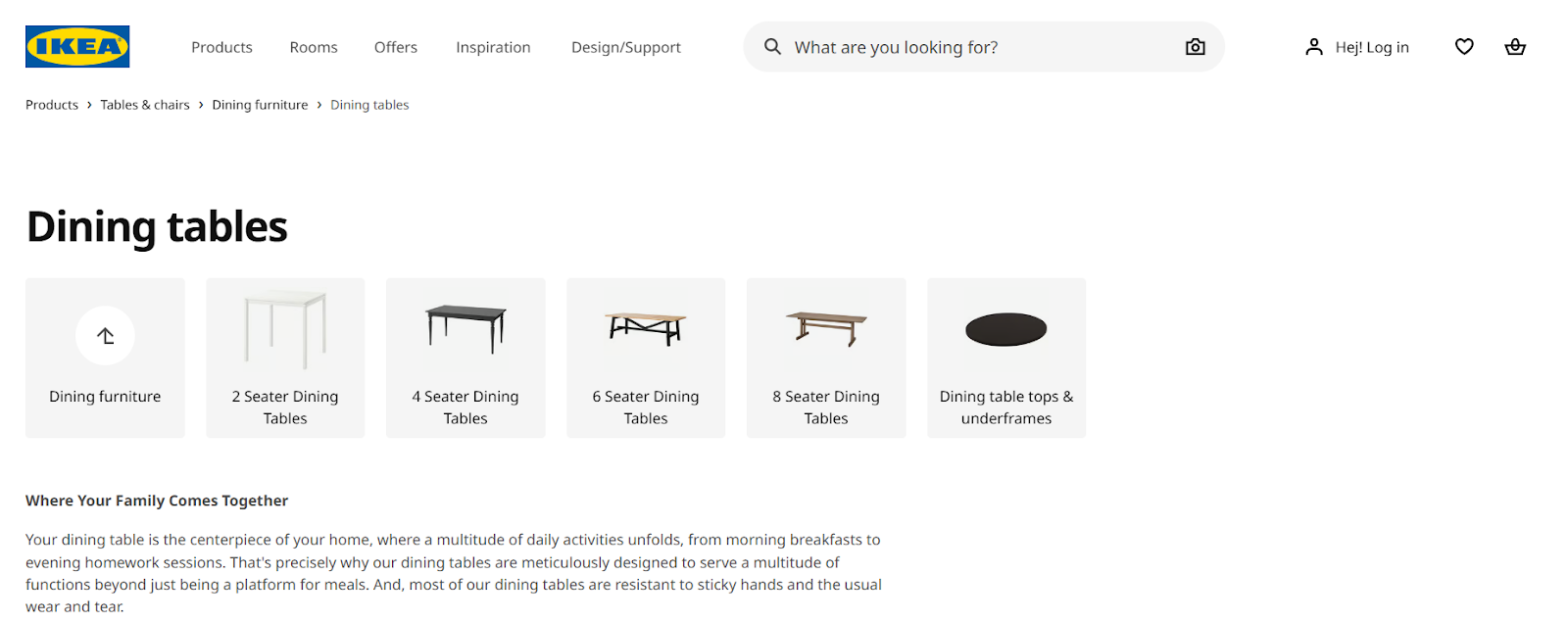
This page is designed to capture searches like “dining tables,” “wooden dining table,” or “dining table for 6.” Once users land on the page, they can easily browse multiple options and narrow their selection using filters.
From an AEO and GEO perspective, category pages are becoming even more important. When someone asks an AI tool a broad question like “what are some good dining tables for small spaces,” the system often pulls from pages that clearly organize multiple options under a single category.
Well-structured category pages, with descriptive headings, filters, and contextual content, make it easier for AI systems to interpret and surface them as part of generated answers. In that sense, category pages are not just for SEO anymore; they’re becoming key inputs for AI-driven discovery.
2. Capturing Inspiration Searches Before Customers Are Ready to Buy
Another interesting pattern in furniture SEO is how much traffic comes from inspiration-driven searches. People often begin their furniture journey with vague questions or ideas rather than a clear purchase intent. They might search for things like:
- “small living room furniture ideas”
- “minimalist bedroom inspiration”
- “studio apartment furniture layout”
These searches are not about buying immediately. They’re about visualizing possibilities.
Furniture brands that recognize this create content that helps users imagine how a space might look once it’s furnished. For example, IKEA invests heavily in inspiration content that blends interior design advice with product discovery. One of their small-space inspiration guides can be found here:
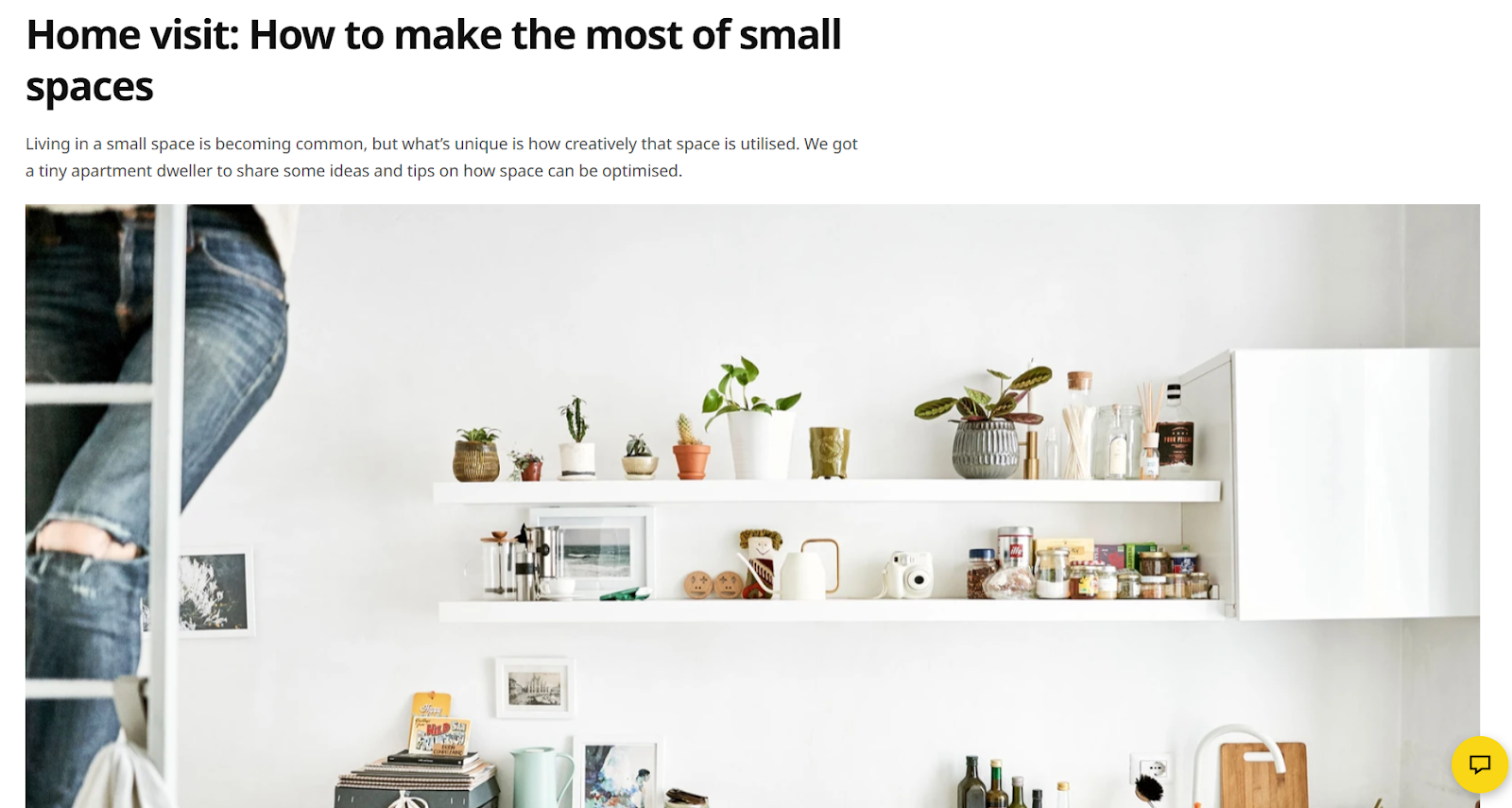
If you look at the page, you’ll notice something interesting. It doesn’t feel like a product listing at all. Instead, it looks like a design story. It walks the reader through a small apartment layout, shows how different furniture pieces work together, and naturally introduces IKEA products within the design.
From an SEO standpoint, this is powerful because it allows IKEA to appear in search results for inspiration queries while simultaneously guiding readers toward their catalog. Furniture brands that only focus on product pages miss out on this entire layer of search demand.
3. Targeting Long-Tail Searches That Reflect Real Buying Constraints
Furniture searches often include very specific constraints. Unlike smaller retail purchases, furniture decisions are shaped by the realities of someone’s living space. People worry about things like room size, storage limitations, or apartment layouts.
This leads to highly detailed search queries such as:
- “sofa for small apartment”
- “compact dining table for 4”
- “storage bed for small bedroom”
- “narrow console table for hallway”
These searches might not have enormous search volume individually, but collectively they represent a huge amount of traffic. For example, pepperfry captures the real buying constraints and addresses them through blogs:
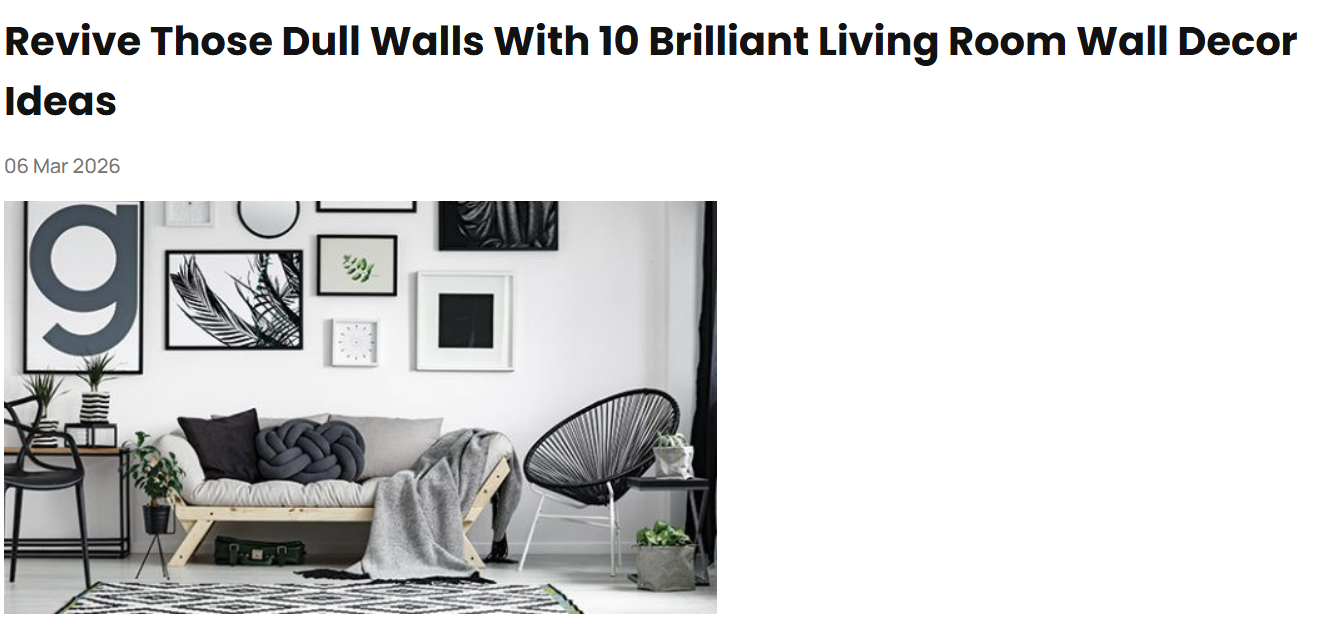
Furniture brands that understand this tend to structure their product descriptions and category pages around these constraints. Even Article frequently highlights use cases directly within product descriptions. Instead of simply describing the furniture, the content often references how the product fits into certain living situations, such as apartment living or small-space layouts.
By including these contextual details, the pages naturally align with long-tail search queries. This allows the brand to capture traffic that competitors often overlook.
4. Using Visual Content to Capture Image-Based Discovery
Many shoppers browse visually when looking for ideas. They scroll through images of styled living rooms, bedrooms, or dining areas to figure out what they like. Because of this, furniture brands invest heavily in lifestyle photography and visual search optimization. This behavior also extends to platforms like Google Shopping, where product images are often the first point of interaction. When users search for something like “modern dining table,” they’re immediately presented with a grid of visually rich product listings. In a category like furniture, where design plays a huge role in decision-making, the quality and relevance of these images can directly influence whether a user clicks or scrolls past.
Retailers like IKEA showcase furniture within complete room setups rather than isolated product shots. Their dining room collections are a good example:
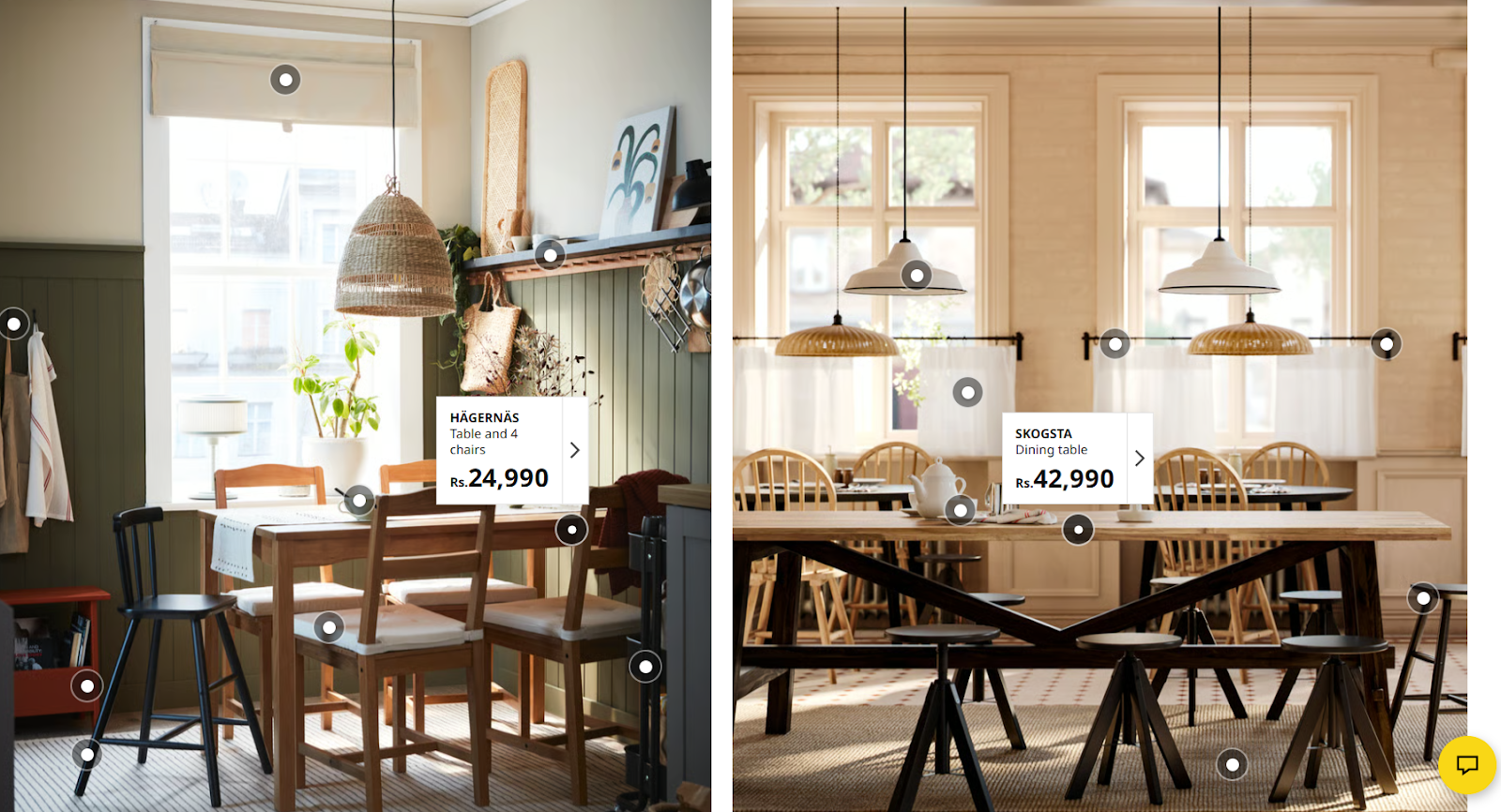
These pages feature styled spaces where multiple pieces of furniture appear together. Each item within the room links back to a product page, allowing customers to explore individual pieces.
Beyond aesthetics, this approach also improves SEO performance. Each image includes descriptive alt text and contextual page content that helps search engines understand what the visual content represents. For furniture brands, this strategy turns images into another organic discovery channel, especially through Google Images and Pinterest.
Whether it’s product descriptions, buying guides, or category pages, the goal is to make information explicit, structured, and easy to interpret. This is exactly what AEO and GEO rely on. Instead of just matching keywords, AI systems look for content that can directly answer questions, compare options, and provide clear recommendations, which is why furniture brands need to start thinking of their content as answer-ready, not just search-optimized.
How Yarnit Helps with E-commerce SEO for Furniture Stores
One of the biggest challenges furniture retailers face with e-commerce SEO is content scale.
A typical furniture catalog can include hundreds or even thousands of SKUs. Each product requires descriptions, metadata, keywords, and supporting content to rank effectively in search results. Manually creating this content is time-consuming and often leads to inconsistencies across product pages.
This is where Yarnit becomes valuable.
Yarnit helps e-commerce brands generate SEO-optimized product content at scale, ensuring that every item in a furniture catalog is discoverable through search. By structuring product information intelligently and embedding relevant keywords naturally, the platform helps improve both search visibility and user engagement.
For furniture stores, this means product pages can include richer descriptions that highlight materials, craftsmanship, dimensions, and design styles. These details not only improve the customer experience but also help search engines understand the context of each product.
Yarnit also helps maintain content consistency across large catalogs. Furniture brands often struggle with uneven product descriptions, some pages are detailed while others are sparse. By standardizing content structures, Yarnit ensures every page contributes to the store’s overall e-commerce SEO strategy. Beyond product pages, Yarnit supports the creation of category descriptions, product photography, and content assets that strengthen organic visibility across the entire site. To know more, read our blog on how Yarnit can scale your product photography.
As search evolves toward AI-driven discovery and conversational search experiences, structured and high-quality product content becomes even more critical. Platforms like Yarnit help furniture brands prepare for this shift by ensuring their catalog content is optimized not just for traditional search engines but also for emerging discovery channels.


