


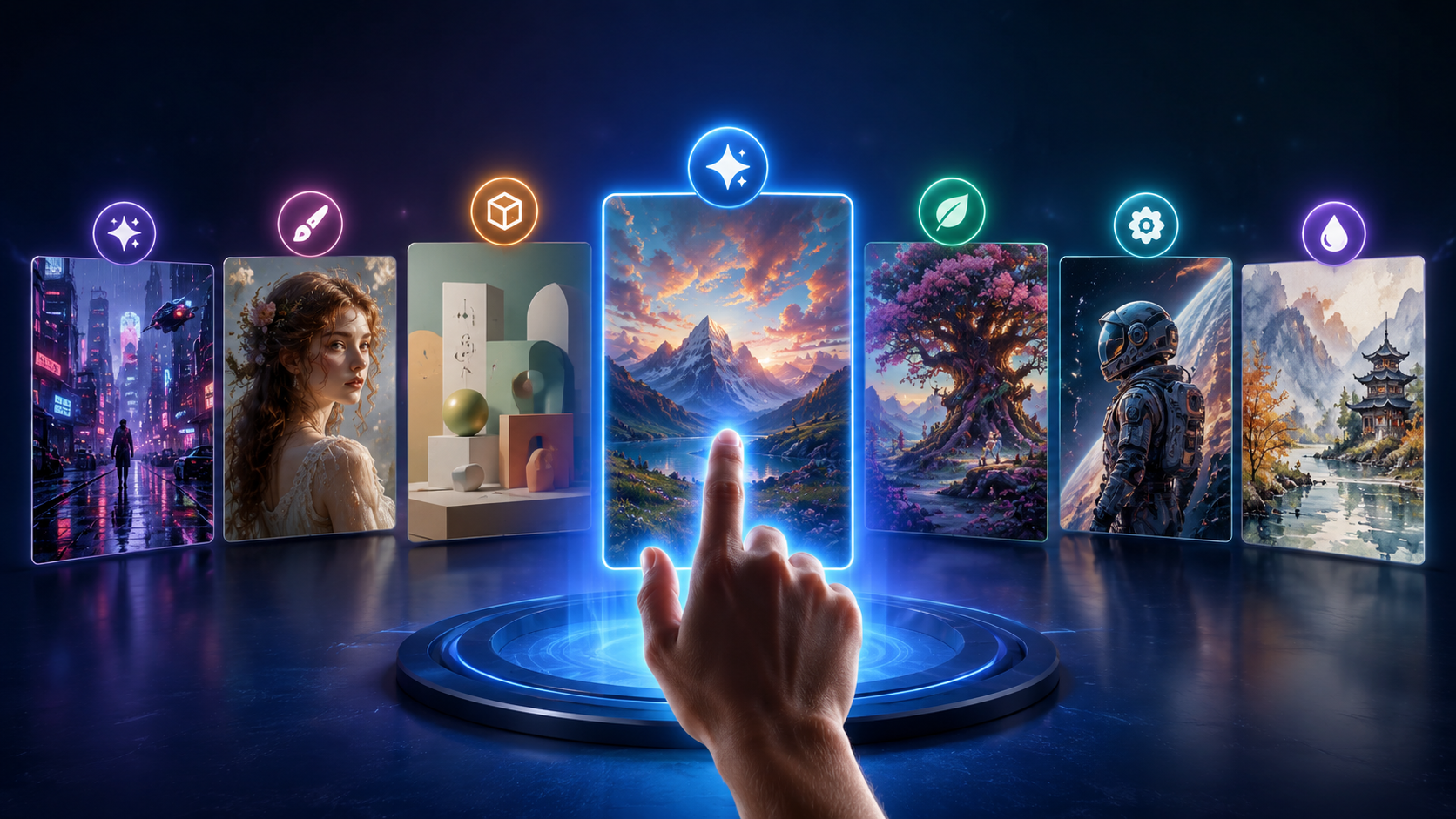
Creating product visuals has always been one of the biggest cost centers in e-commerce. A single campaign can require photographers, studios, models, locations, retouching teams, and weeks of coordination before the first image is ready to publish.
AI image generators have changed that equation dramatically. Today, brands can create product photography, lifestyle imagery, seasonal campaigns, social media creatives, and marketplace assets in a fraction of the time and at a fraction of the cost.
But there's a catch.
As AI-generated content becomes more common, many consumers are becoming increasingly sensitive to visuals that feel generic, unrealistic, or obviously machine-made. Poor-quality AI images can undermine trust, dilute brand perception, and make products feel less premium. In a crowded e-commerce landscape, the difference between a high-converting visual and a forgettable one often comes down to the quality of the AI tool behind it.
The good news is that the latest generation of AI image generators has evolved significantly. The best platforms can produce photorealistic product shots, on-brand lifestyle scenes, and campaign-ready creatives that are often indistinguishable from traditional photography while keeping production costs low and content velocity high.
For modern e-commerce brands, the goal is no longer simply to generate images faster—it's to generate images that preserve brand quality, drive conversions, and scale content creation without sacrificing customer trust. In this guide, we'll explore the best AI image generators for e-commerce in 2026, comparing their features, strengths, and ideal use cases to help you find the right solution for your business.
1. Yarnit CreativeOS
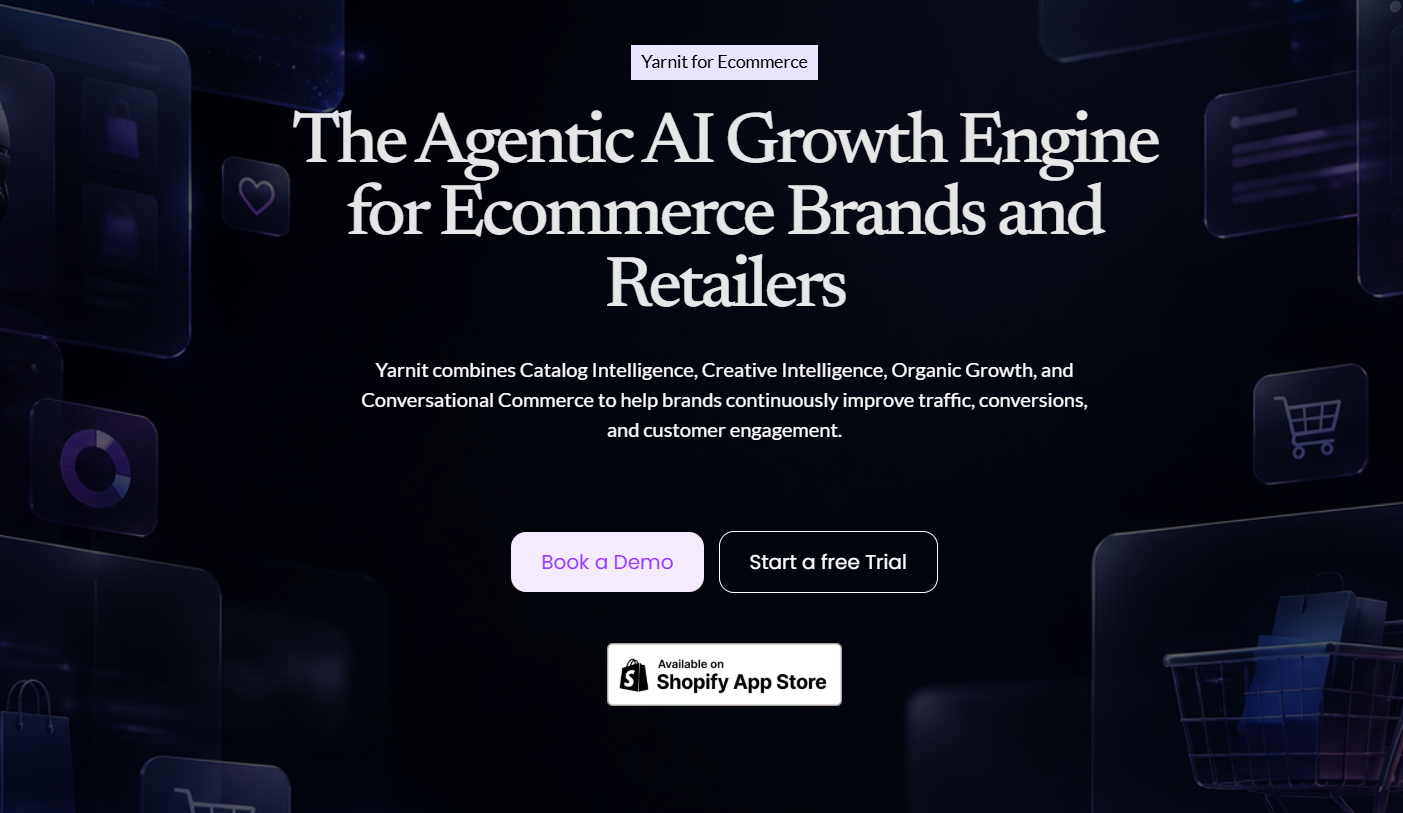
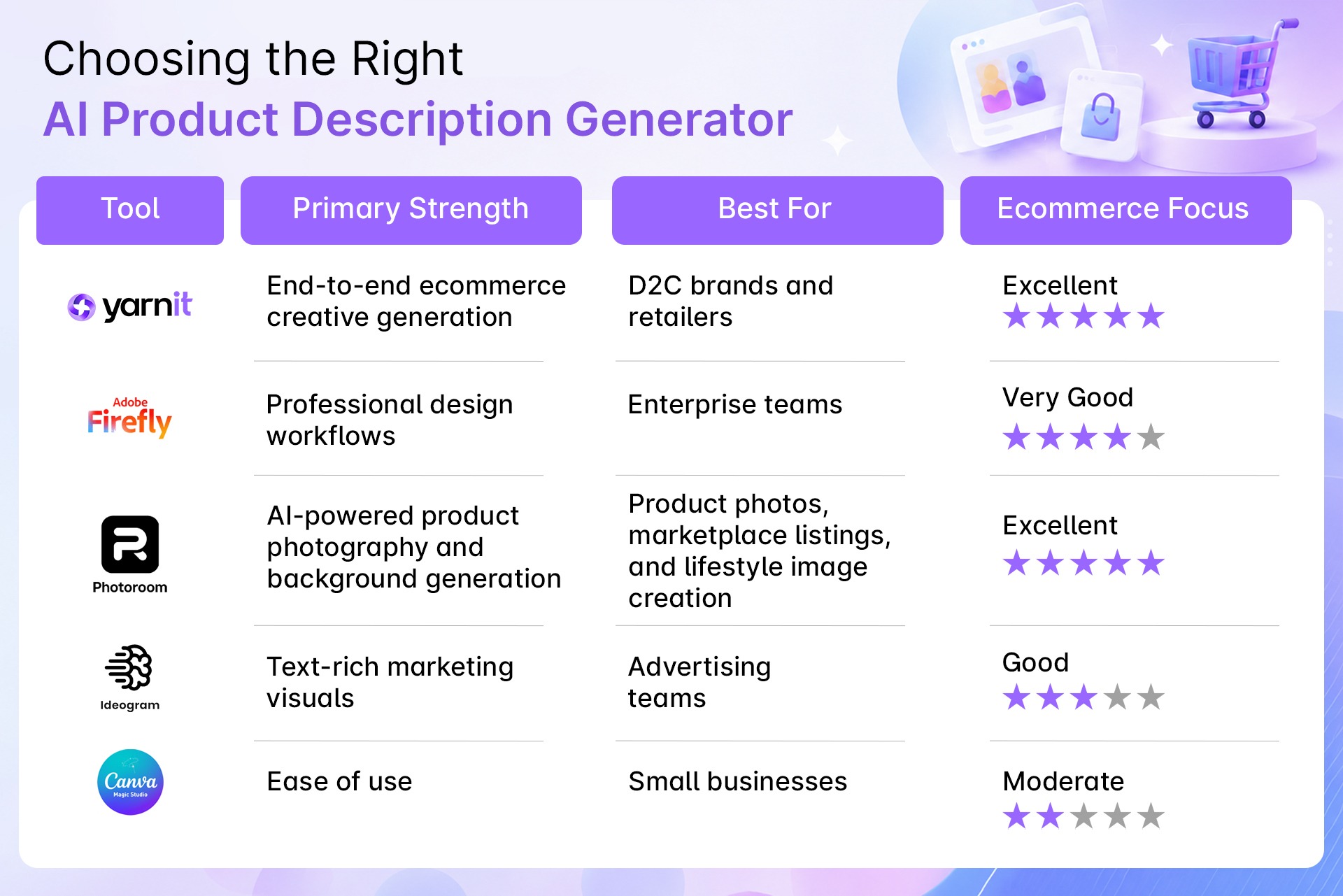
Yarnit's CreativeOS is purpose-built for modern e-commerce teams that need to generate product imagery, marketing creatives, and conversion-focused content at scale. Unlike generic AI image generators, CreativeOS is designed around real e-commerce workflows, helping brands create marketplace-ready assets, product-focused visuals, and campaign creatives while maintaining brand consistency.
As part of the broader Yarnit for Ecommerce ecosystem, CreativeOS combines AI image generation with brand intelligence, content automation, and commerce-specific optimization, making it one of the most comprehensive solutions available for online retailers.
Key Features
- AI-generated product and lifestyle imagery
- Brand-consistent visual generation
- Ecommerce-focused creative workflows
- Campaign asset generation across channels
- Product-focused image enhancement
- Social media and ad creative production
- Multi-format creative generation
- Integration with broader ecommerce content operations
Best For
- D2C brands
- Shopify merchants
- Marketplace sellers
- Enterprise e-commerce teams
- Brands managing large product catalogs
- Businesses seeking a unified creative and content platform
2. Adobe Firefly
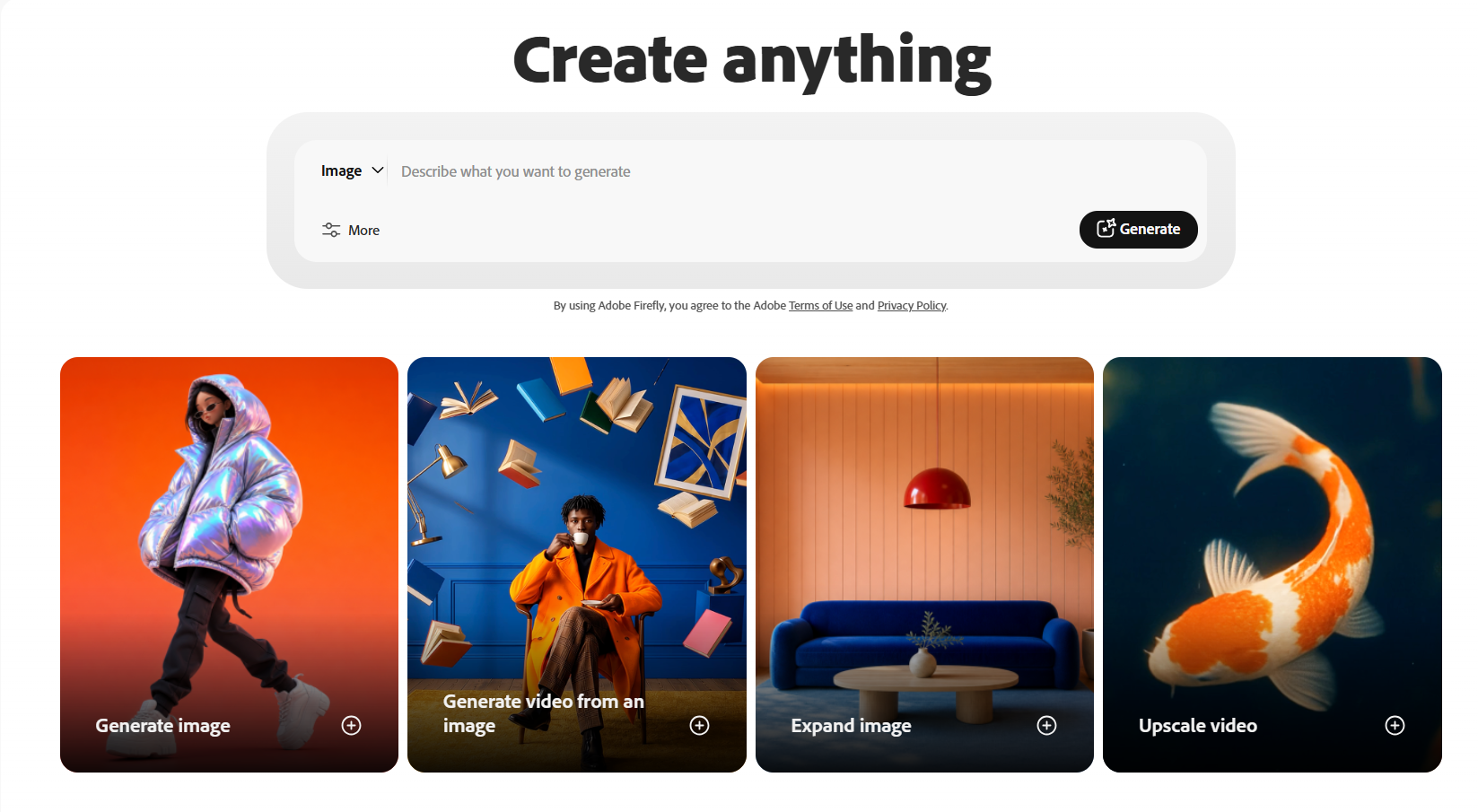
Adobe Firefly continues to be one of the most trusted AI image generation platforms in 2026. Deep integration with Photoshop, Illustrator, and Creative Cloud makes it especially attractive for brands already using Adobe's design ecosystem. Firefly excels at generating polished marketing visuals and editing existing product images with professional-grade controls.
Key Features
- Generative Fill and Generative Expand
- Commercially safe image generation
- Deep Photoshop integration
- Advanced image editing tools
- Brand asset workflows
- High-resolution output
Best For
- Design teams
- Creative agencies
- Enterprise marketing departments
- Brands already using Adobe Creative Cloud
3. Photoroom
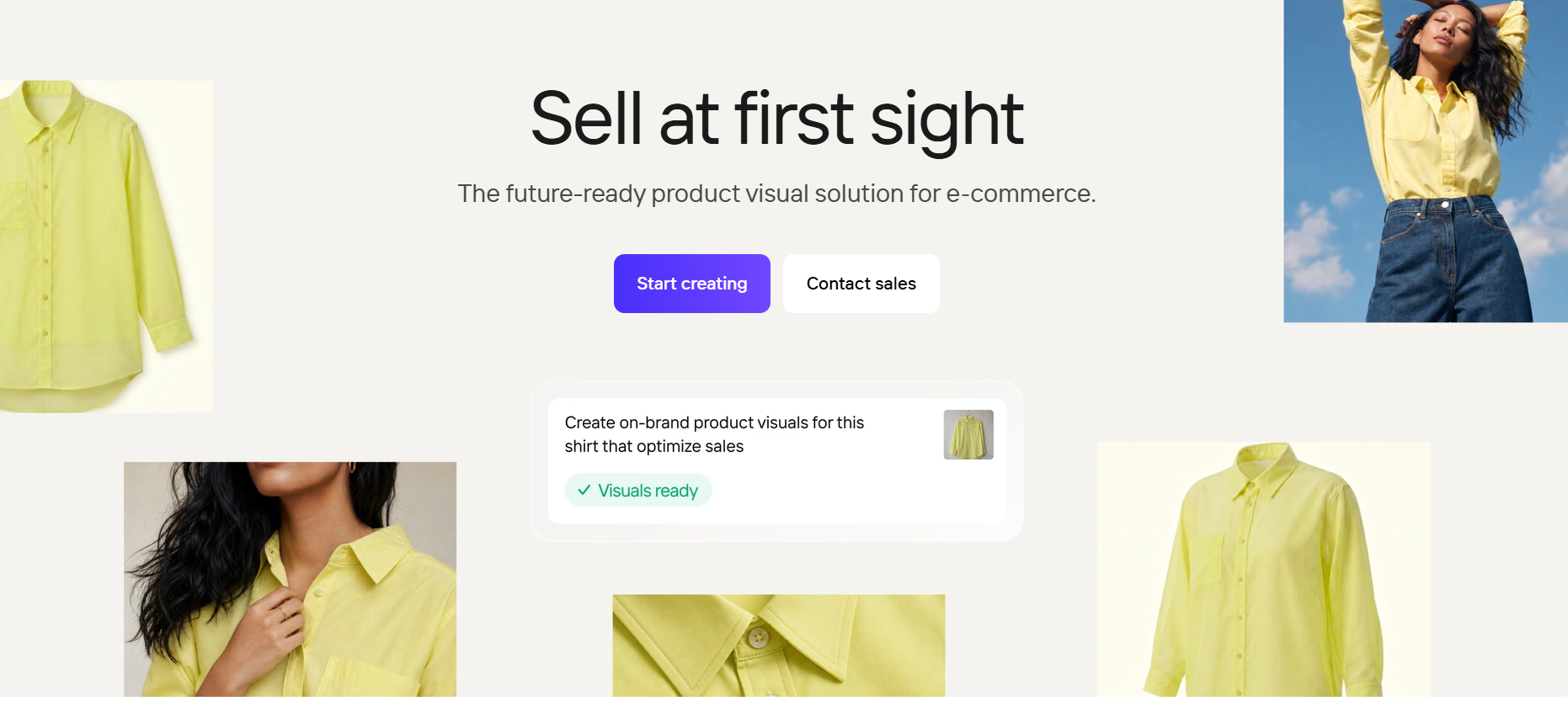
Photoroom has become one of the most widely adopted AI image tools among e-commerce sellers, marketplaces, and D2C brands. Designed specifically for product photography, it helps businesses create studio-quality product images, remove backgrounds, generate lifestyle scenes, and produce marketing-ready assets without expensive photoshoots.
Key Features
- AI background removal
- AI-generated lifestyle scenes
- Product image enhancement
- Batch editing for large catalogs
Best For
- Shopify merchants
- Marketplace sellers
- Small and mid-sized e-commerce businesses
5. Ideogram
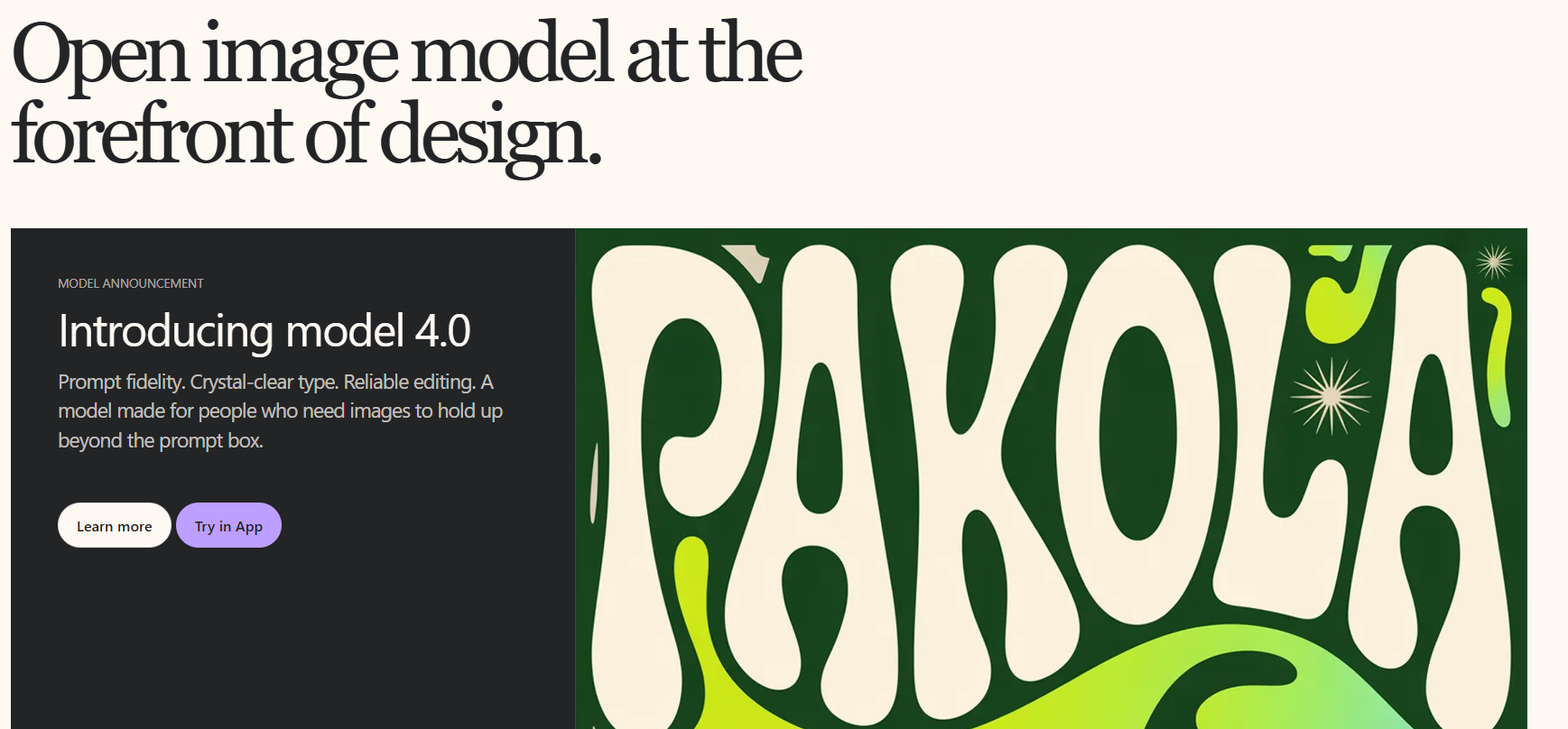
One of the biggest challenges in AI image generation has historically been text rendering. Ideogram addresses this issue exceptionally well, making it useful for e-commerce banners, advertisements, promotional graphics, and branded creatives that require readable text.
Key Features
- Industry-leading text rendering
- Marketing banner creation
- Ad creative generation
- Product promotion graphics
- Fast image generation
Best For
- Marketing teams
- Social media managers
- Paid advertising campaigns
- Promotional creative production
6. Canva Magic Media
Canva has transformed into a powerful AI-powered design platform. Its Magic Media capabilities allow users to generate images directly within Canva's design environment, making it easy for non-designers to create e-commerce assets quickly.
Key Features
- Easy-to-use interface
- Built-in design templates
- AI image generation
- Social media asset creation
- Team collaboration tools
Best For
- Small businesses
- Solo entrepreneurs
- Marketing teams
- Fast content production
What Makes the Best AI Image Generator for E-commerce?
When evaluating a platform, brands should prioritize:
Product Accuracy: Generated images should preserve product details, colors, dimensions, and branding accurately.
Lifestyle Scene Generation: The ability to place products into realistic environments is critical for increasing engagement and purchase intent.
Brand Consistency: Visuals should align with established brand guidelines, color schemes, and creative standards.
Scalability: The platform should support hundreds or thousands of product images without requiring extensive manual work.
Commercial Readiness:Generated assets should be suitable for marketplaces, websites, ads, social media, and AI-powered shopping experiences.
How AI Image Generators Impact Conversions
Modern shoppers expect more than simple product photos. They want to see products in real-world settings, understand scale and usage, and imagine ownership before making a purchase.
AI-generated visuals help brands:
- Launch products faster
- Test multiple creative concepts
- Produce seasonal campaigns quickly
- Reduce content production costs
- Improve engagement across channels
- Create richer product detail pages
- Support AI shopping engines with more visual context
As AI-powered shopping assistants become increasingly influential in purchase decisions, having a large library of high-quality product visuals will become a competitive advantage.
Final Thoughts
The best AI image generator in 2026 depends on your business goals, team size, and creative requirements. If you're looking for a platform built specifically for e-commerce workflows, Yarnit's CreativeOS stands out by combining AI-powered image generation with broader commerce-focused content and creative automation capabilities.
For brands focused on design-heavy workflows, Adobe Firefly remains a strong choice, while Photoroom, Ideogram, and Canva each offer unique strengths for specific marketing needs.
The common theme across all leading platforms is clear: AI image generation is no longer an experimental technology. It has become a core capability for modern e-commerce brands seeking faster production cycles, lower content costs, and more engaging shopping experiences.
As online competition intensifies, businesses that adopt AI-powered visual creation today will be better positioned to scale content, improve conversions, and win attention across both traditional search and emerging AI-driven shopping channels.


