AI Insights
Agent Memory Has Outgrown Retrieval
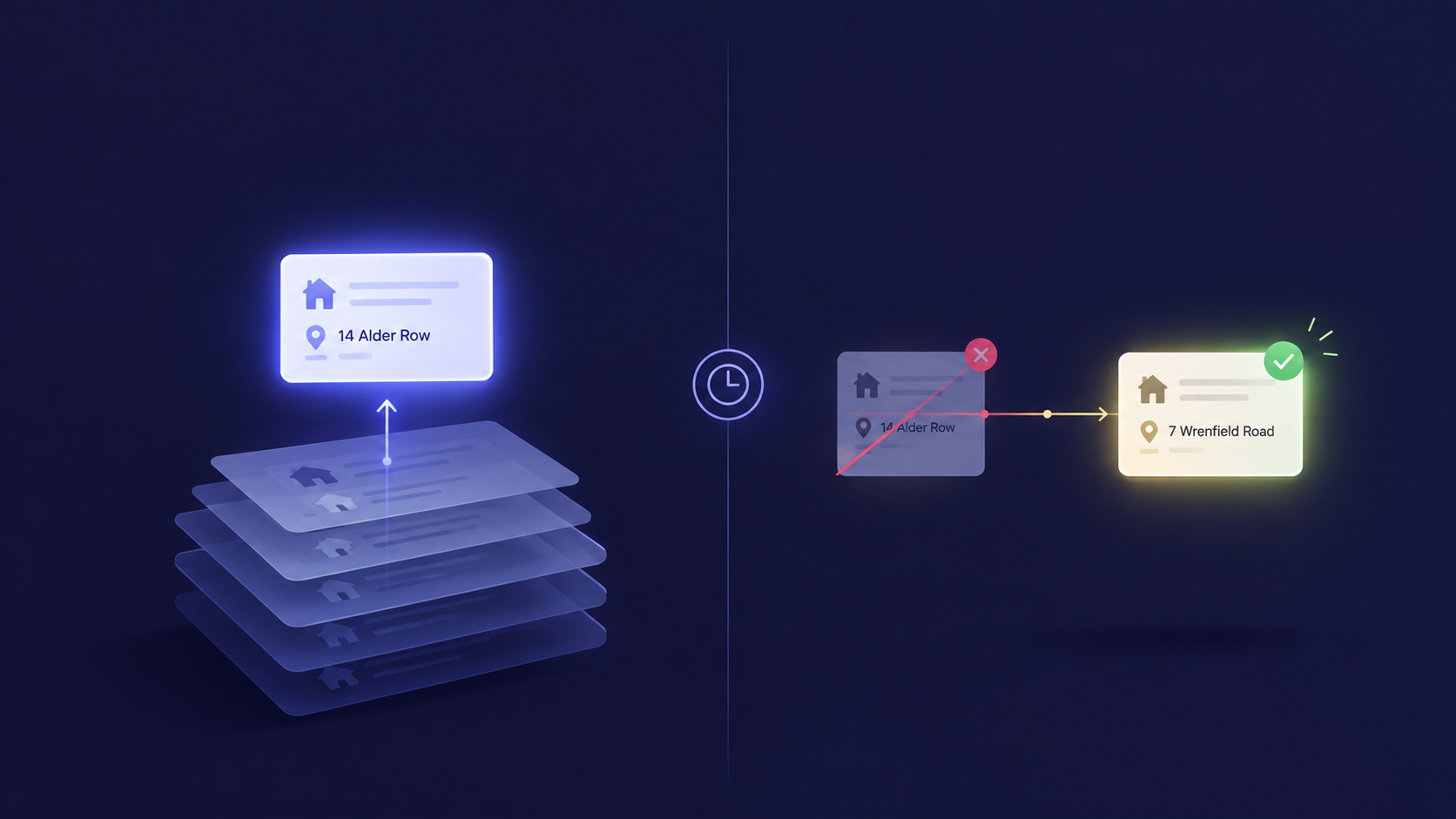
Most AI memory systems can find relevant past information but can't tell if it's still true, so agents act on stale data that was technically "retrieved correctly."
September 17, 2026

Understand how you can make use of AI agents to boost your rankings in search engines like Google, Bing, and more.


It’s Wednesday afternoon, your boss just dropped a “we need more traffic” bomb in your lap, and your latest blog post is still stuck on page four of Google—mocking you. You’ve tried every keyword trick in the book, but the needle’s barely budged, and now you’re wondering if you’ll ever crack the SERP code before the next team meeting. Sound like your life lately?
Marketers everywhere feel this pain—chasing those top search spots can feel like running a marathon in flip-flops. But here’s the good news: AI agents are stepping in to lighten the load and help you get better SEO results.
In this blog post, we’ll get into how AI agents can make your quest for better SERP rankings that much faster, more strategic, and—yes—even a little fun. We’ll explore why SERP rankings matter, take a quick trip back to the days of manual SEO grunt work, and show you how AI is rewriting the playbook. Let’s dive in!
Every marketer knows that SERP rankings aren’t just a vanity metric—they’re the backbone of your online visibility. Ranking high on search engines like Google is how you get noticed, attract organic traffic, and turn clicks into customers. But why are SERP rankings such a big deal?
Think of the search results page as prime digital real estate. The higher you rank, the more likely people are to find you. Studies show that the top three spots on Google snag over 50% of all clicks, while page two might as well be a ghost town. Strong SERP rankings build credibility, amplify brand awareness, and give your content the audience it deserves.
Beyond visibility, ranking well signals to search engines that your content is relevant and valuable—an SEO snowball effect that boosts your authority over time. Whether you’re a small business vying for local leads or a global brand dominating thought leadership, SERP rankings are the gateway to growth.
If you want to go deeper into strengthening your SEO foundation, you can also read our blog on optimizing AI content for SEO: tips, tricks, and Best Practices.
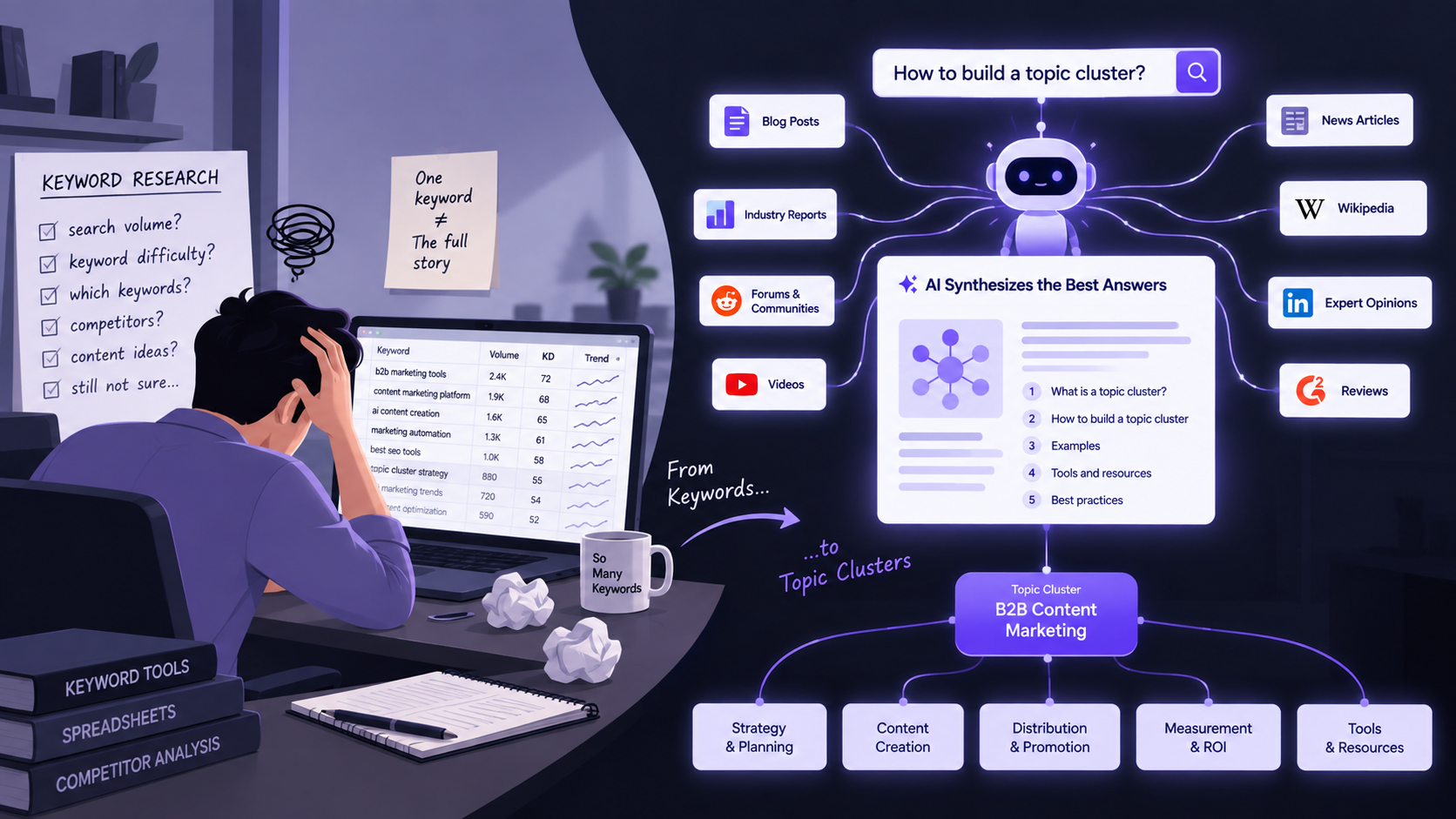
Let’s rewind to the pre-AI era of SEO—a time when boosting SERP rankings felt like a mix of guesswork and grit. Here’s how it used to go down:
This process worked—sometimes—but it was slow, labor-intensive, and prone to human error. Marketers were stuck reacting to algorithm updates instead of staying ahead of them, often burning out before seeing real results. The outcome? Missed ranking opportunities, inconsistent performance, and a nagging feeling that there had to be a better way.
Tell a marketer from 10 years ago that boosting SERP rankings are easy now, and they’ll laugh in your face. Even though this seems outlandish, AI agents actually can automate most of the heavy lifting for SEO, turning a slog into a streamlined strategy. These clever digital assistants can amplify your efforts with data-driven precision. Here’s what a typical AI agent flow would look like:
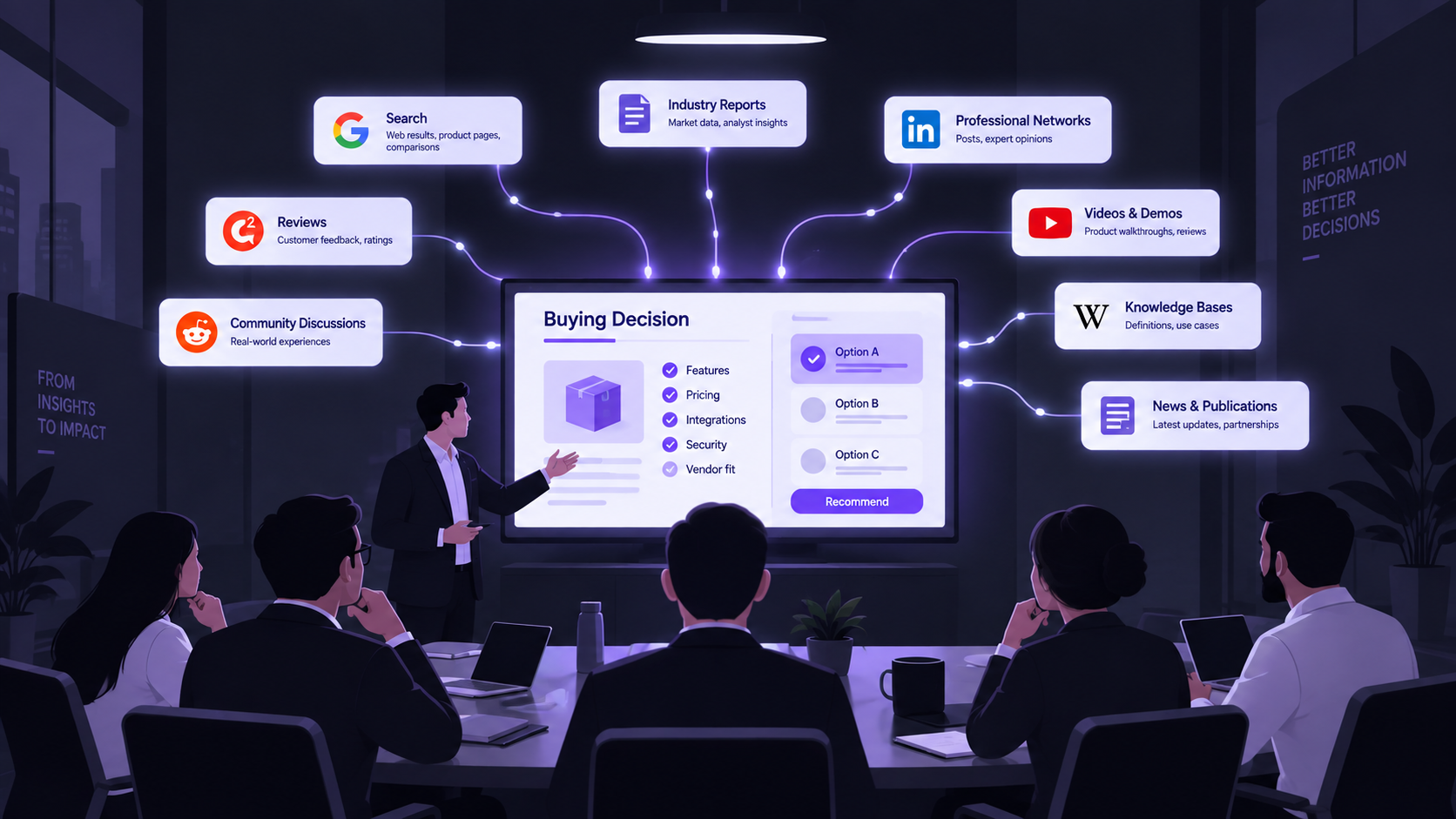
When you ask a team of AI agents how you can boost SERP rankings, it calls in a team of agents working in sync. The Content Research Agent scouring the web and databases for trending keywords and competitor gaps, the SEO Agent provides ways to optimize on-page elements like meta tags, headers and keyword density, and a performance agent can analyze real-time data from your site (and your competitor’s site) to tweak and inform your strategy—all from just a single Ask.
AI agents have access to tools like SERP data, user behavior insights, and backlink databases. They then use this data to help you hit specific goals that matter, like higher click-through rates, better keyword relevance, and stronger domain authority. They’re not here to replace you—they’re here to free you up for the big-picture thinking that machines can’t replicate.
The result? Content that ranks higher, faster, and smarter. Let’s see how you can put it into action.
Ready to climb the SERP ladder? Here’s a practical guide to using Ask Yarnit’s AI agents to get you there:
Kick things off with a clear prompt. Don’t forget to attach references—competitor blogs, your latest keyword list, or trending industry news—via Ask Yarnit’s attach button. Try Asking Yarnit:

I have attached my website. Go through it, especially the blog section, and give me an actionable strategy on how to get better SERP rankings. Make use of SERP data, keyword data, and competitor analysis, to give me a comprehensive strategy on making my SERP ranking better.
In seconds, you’ll have a complete SWOT analysis of your website, along with an executive summary of the key takeaways. This will also include target keywords, long-tail keywords, content gap strategy, ROI measurement frameworks, and a lot more. This isn’t just a complete insight to inform your next SERP strategy, it’s the fuel you need to create a kickass deck to show your boss exactly what how you can get traffic to the site.

But you’re a marketer; you know AI outputs like the back of your hand. You want to know exactly how this plan came to be, and Ask Yarnit’s Behind the Scenes button is here to tell you just that.

By taking a peek behind the curtain, we find that, when tasked with developing a SERP optimization strategy for Yarnit's blog section, Ask Yarnit's platform took the following steps:
The system drew insights from multiple authoritative sources including industry forums (Reddit), and specialized publications (Sprout Social, Unite.ai, Search Engine Land). This research revealed opportunities to target high-volume keywords like "digital marketing" while developing specialized content formats such as comprehensive guides and interactive tools.
The final strategy emphasized addressing identified content gaps and leveraging industry-specific AI implementation scenarios to significantly enhance Yarnit's blog visibility and user engagement.
AI agents can’t do it all—here’s where you take control:
AI agents aren’t just tweaking the SERP game—they’re rewriting it from the ground up. By blending automation with human ingenuity, they’re helping marketers like you climb search rankings without the all-nighters.
Ready to ditch the SEO stress and watch your content soar? Your AI-powered ranking squad is waiting. Try Ask Yarnit for your next project and see how it transforms your SERP strategy from a grind into a triumph. Higher rankings, happier marketers—sounds like a win to us!

AI agents improve SERP rankings by automating SEO tasks like keyword research, content optimization, and competitor analysis. They process large data sets instantly and highlight opportunities humans might miss, allowing marketers to make faster, smarter decisions.
Not entirely. AI agents streamline research, analysis, and optimization, but human judgment is still crucial for storytelling, brand voice, and strategic alignment. Think of AI agents as partners—not replacements—in your SEO workflow.
AI agents can manage keyword discovery, meta tag optimization, content gap identification, backlink monitoring, and performance tracking. They bring these insights together to build an actionable, cohesive SERP strategy.
Yes. AI agents can audit underperforming posts, identify missing keywords, analyze competitor content, and suggest updates to improve relevance and ranking potential—making them ideal for content refresh strategies.
Absolutely. AI agents pull insights from real-time SERP data, user behavior patterns, and industry trends. This helps you build SEO plans that aren’t just reactive but strategically aligned with long-term growth goals.

From collection to clarity — we’ll help you make sense of it all.

Giving shape to intelligence